

The Dogecoin Perpetual Future Is Here, and Nobody Asked the Dog
Bitnomial Exchange self-certified Dogecoin perpetual futures with the CFTC, marking the first time a memecoin born from a dog photo becomes collateral for leveraged derivatives on a regulated venue.

There is a moment in every financial bubble when the grown-ups arrive with spreadsheets. For Dogecoin, that moment came this week when Bitnomial Exchange filed a self-certification with the Commodity Futures Trading Commission to list Dogecoin perpetual futures. A memecoin born from a dog photo is now collateral for leveraged derivatives. This is not a joke, which is itself a kind of joke.
I have covered enough memecoin cycles to know that legitimacy arrives in strange packaging. First the ETFs, then the congressional hearings, and now perpetual futures. The frog gets a Bloomberg terminal. The dog gets a margin account.
What Bitnomial Actually Filed
Bitnomial submitted a self-certification under CFTC regulation 40.2(a) to list Dogecoin US Dollar Hecto Perpetual Futures contracts, with trading set to begin on or after September 4, 2026. The filing was made on September 2, 2026.
Self-certification means Bitnomial has determined that the contract complies with the Commodity Exchange Act and CFTC regulations, and the exchange can list it unless the CFTC objects within a review period. This is not the same as full CFTC approval; it is a regulated exchange asserting that its own rules and risk frameworks can handle Dogecoin price exposure.
The contract structure matters. A "hecto" multiplier means each contract represents 100 units of the underlying, so traders are dealing in leveraged chunks of Dogecoin rather than spot coins. Perpetual futures do not expire, but they carry funding rates that charge or pay traders based on whether the contract price sits above or below the spot index. This is the same instrument that dominates Bitcoin and Ethereum derivatives volume on offshore exchanges.
Key Metrics at a Glance
| Metric | Value |
|---|---|
| Contract Type | Perpetual Futures |
| Multiplier | Hecto (100 DOGE per contract) |
| Listing Exchange | Bitnomial |
| Regulatory Path | CFTC Self-Certification (40.2(a)) |
| Intended Trade Date | On or after September 4, 2026 |
| Filing Date | September 2, 2026 |
| Underlying Asset | Dogecoin (DOGE) |
Why This Matters for a Memecoin
Dogecoin has already traveled an absurd distance. Created in 2013 as a parody of Bitcoin, it became the internet's favorite tip currency, then a speculative asset, then a payment option for some merchants, then an ETF candidate, and now a derivatives underlying. The journey from joke to regulated futures contract is historically unprecedented in this compressed form.
The derivatives listing creates new dynamics. First, it gives institutional and sophisticated retail traders a way to short Dogecoin without borrowing spot coins. Second, it introduces funding rate mechanics that can create persistent cost drag for long holders in contango environments. Third, it brings Dogecoin price discovery onto a regulated venue with surveillance, which can reduce manipulation risk but also exposes the memecoin to the same liquidation cascades that hit Bitcoin during volatility spikes.
The Incentive Layer
Bitnomial is not doing this for the culture. The exchange collects trading fees, and perpetual futures generate significant volume because they allow leverage. A memecoin with Dogecoin's volatility profile and retail recognition is an attractive product for an exchange trying to build derivatives market share.
Traders who use these contracts are generally not buying Dogecoin because they believe in the vision. They are trading price exposure with leverage, which means the contract can become a venue for speculation detached from on-chain holder behavior. This separation between derivatives price and spot market is worth watching. If the perpetual futures volume dwarfs spot exchange volume, the tail can wag the dog.

Who Benefits and Who Carries Risk
The winners here are straightforward: Bitnomial gets fees, market makers earn spreads, and arbitrageurs capture basis between futures and spot. The losers are harder to identify until they appear in liquidation data.
Perpetual futures on volatile assets attract leverage-seeking traders. A memecoin that can move twenty percent on a celebrity tweet is a dangerous underlying for a leveraged instrument. The exchange's risk framework will matter, because if funding rates spike or liquidations cascade, the joke stops being funny for the people whose positions evaporate.
Regulated futures also create a strange status signal. Dogecoin is now treated as a commodity-like asset worthy of derivatives infrastructure. This is good for price credibility and bad for the narrative that Dogecoin is a decentralized community experiment. You cannot be the people's coin and the exchange's collateral simultaneously without tension between those identities.
Competitive Landscape: Memecoin Derivatives Are Expanding
Dogecoin is not the first memecoin to reach regulated derivatives, but it is the most prominent. The progression follows a pattern: spot trading first, then ETF filings or equivalent fund products, then futures and options. Bitcoin walked this path over years. Dogecoin compressed it into months.
The table below compares Dogecoin's current derivatives status against other major memecoins:
| Asset | Spot ETF | Futures | Options | Regulatory Venue |
|---|---|---|---|---|
| Dogecoin | Proposed/ Pending | Bitnomial Self-Certified | None | CFTC-regulated exchange |
| Shiba Inu | None | None | None | N/A |
| Pepe | None | Offshore only | None | Unregulated |
| Bonk | None | None | None | N/A |
| Floki | None | None | None | N/A |
Dogecoin sits alone in this group for having reached a CFTC-recognized derivatives venue. Whether this is an achievement or a warning depends on whether you are holding a trading license or a wallet full of coins.

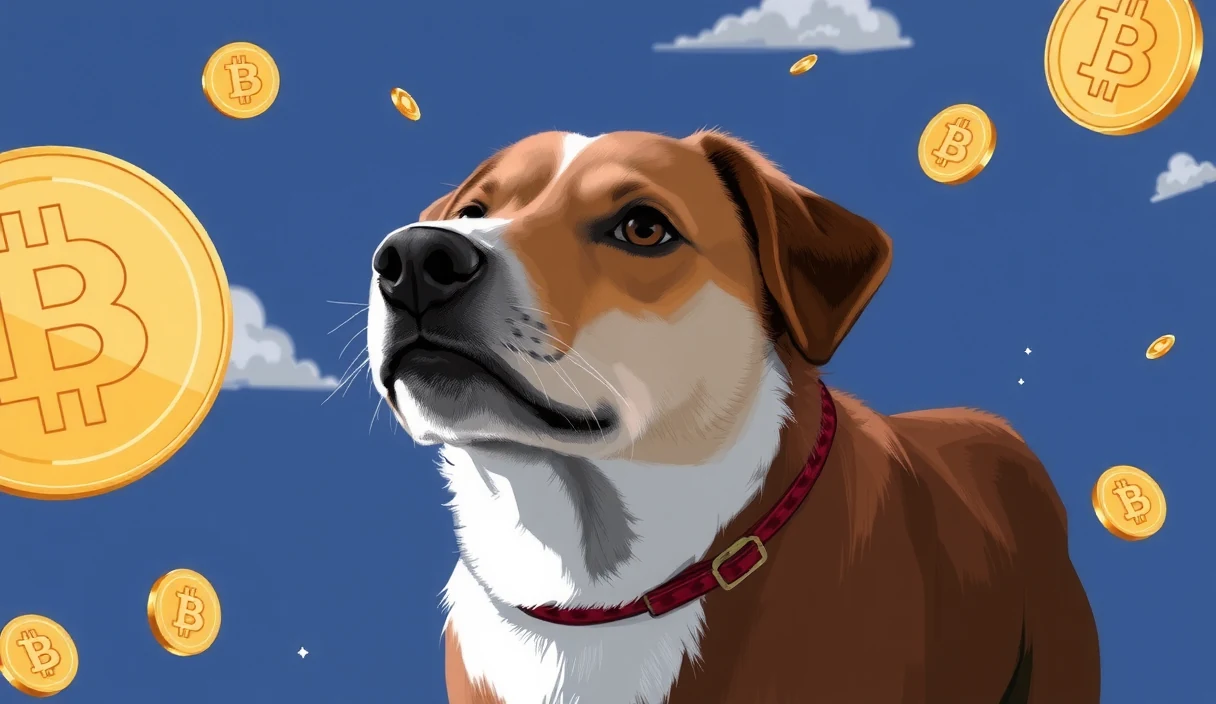
The Perpetual Premium Risk
Perpetual futures create a persistent cost for long holders when the market is in contango, meaning the futures price sits above spot. Traders pay funding rates to keep positions open, and those rates can spike during volatile periods.
For a memecoin, this creates an unusual dynamic. The holder who believes Dogecoin will reach a dollar is better off buying spot and holding in cold storage than holding a leveraged perpetual contract that bleeds funding fees. The contract is designed for traders, not believers, and the distinction matters.
Decision Framework
If you are evaluating whether this development changes your Dogecoin exposure, consider the following:
- Spot holder with conviction: No change. Futures do not affect your coins unless you borrow against them.
- Active trader: New venue with surveillance and potentially tighter spreads than offshore alternatives, but hecto sizing requires attention to notional exposure.
- Risk manager: Watch funding rates and basis. If perpetual futures trade at large premiums to spot, arbitrage pressure can create spot buy pressure. If they trade at discounts, expect spot sell pressure.
Decision Flow:
Do you currently hold DOGE spot?
├── YES → Are you a long-term holder?
│   ├── YES → Futures launch changes nothing; keep cold storage
│   └── NO  → Watch funding rates for short-term trading signals
└── NO  → Are you considering DOGE exposure?
    ├── YES → Prefer spot over perpetuals for low-cost holding
    └── NO  → Then you are reading this article for entertainment, which is valid
TL;DR
- What: Bitnomial Exchange self-certified Dogecoin perpetual futures with the CFTC for trading beginning September 2026.
- Why: Regulated derivatives give institutional traders leveraged DOGE exposure and bring price discovery onto a supervised venue.
- Impact: Shorting becomes easier, funding rates create holding costs for leveraged longs, and the memecoin gains commodity-like regulatory treatment.
- Watch: Funding rate spikes, liquidation cascades during volatility, and whether futures volume dominates spot price discovery.
Sources
- CFTC Filing PDF — Bitnomial Dogecoin Perpetual Futures Self-Certification
- Bitnomial Exchange Official Website
Fred Mendoza is TotesTek's MemeCoin Opinion Columnist & NFT Analyst. He writes about meme coins, NFTs, digital collectibles, internet market culture, and the strange human behavior that happens when jokes become financial instruments.
Related Posts
-

Treasury Issues Request for Comment on GENIUS Act Implementation for Stablecoin Regulation
The U.S. Department of the Treasury issued a Request for Comment on August 12, 2026, to fulfill its obligation under section 9(a) of the Guiding and Establishing National Innovation for U.S. Stablecoins Act — the GENIUS Act. The request initiates a 90-day public comment period th
-

Treasury Launches Cybersecurity Information Sharing Initiative for Digital Asset Industry
The U.S. Department of the Treasury's Office of Cybersecurity and Critical Infrastructure Protection announced on August 12, 2026, a new initiative to strengthen cybersecurity across the digital asset industry by providing timely, actionable threat intelligence to exchanges, cust
-

SEC Proposes Regulation Crypto Assets in Federal Register to Create Tailored Offering Framework for Investment Contracts
The Securities and Exchange Commission published a proposed rule in the Federal Register on August 21, 2026, that would create the first tailored offering regime for crypto asset investment contracts. The proposal marks a significant evolution in the commission's approach to digi
-

Federal Reserve Sunsets Novel Activities Supervision Program, Returning Crypto and Fintech Oversight to Normal Supervisory Process
The Federal Reserve Board announced on August 15, 2026, that it would sunset its Novel Activities Supervision Program and return oversight of banks' crypto and fintech activities to the standard supervisory process. The announcement is less dramatic than it sounds — the Fed is no