

A Day in the Life of a Drone Running peaqOS
peaq publishes a narrative deep-dive tracing how a commercial drone autonomously earns, transacts, and manages its digital identity over a 24-hour cycle using peaqOS on peaq's decentralized machine economy network.
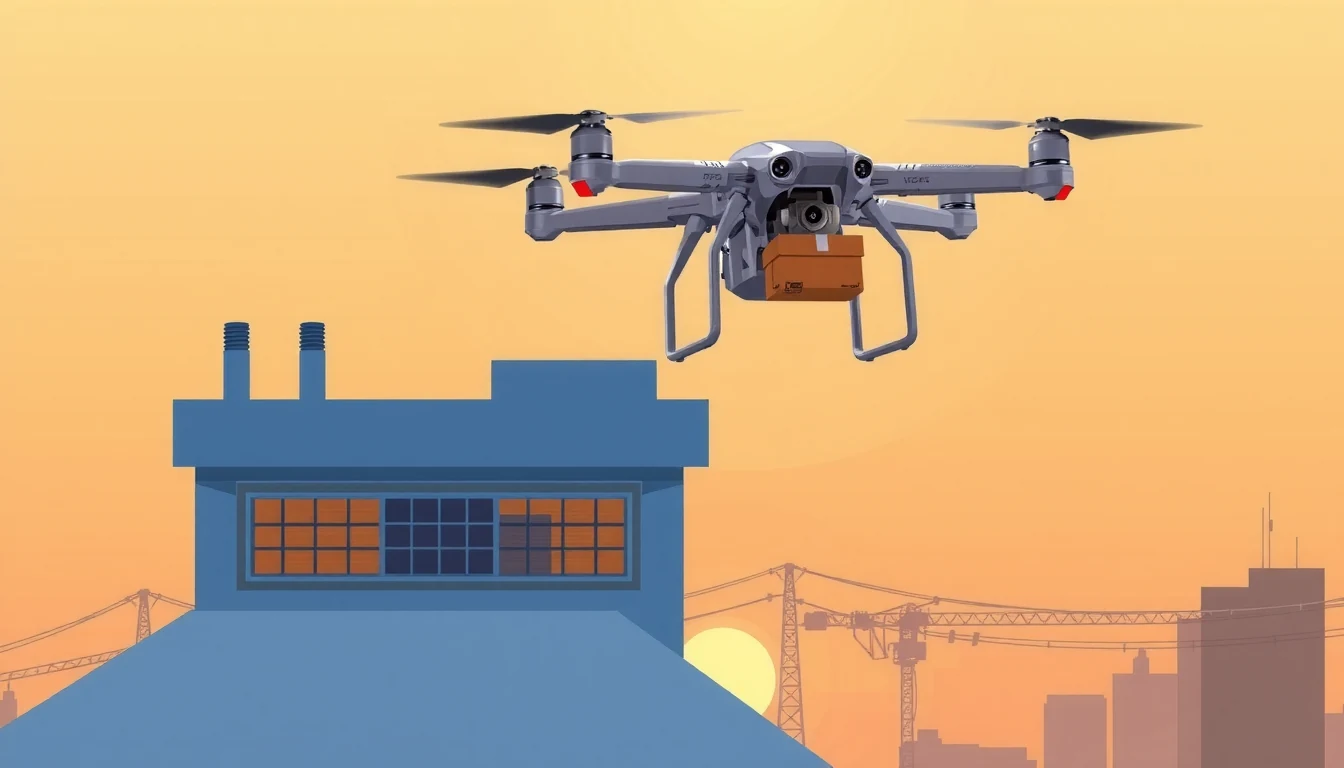
Last Tuesday I watched a delivery drone land on a rooftop charging pad in Seoul at dawn. By sunset it had earned money from two jobs, paid another machine for electricity, proven its data was real, and built up a credit rating any counterparty could check. None of that required a human standing over it. The layer underneath it was peaqOS, and the easiest way to understand what that means is to watch one machine use it across a single day.
Key Metrics at a Glance
| Metric | Value |
|---|---|
| peaqOS Functions Live | 4 (Activate, Scale, Stream, Qualify) |
| Functions in Development | 3 (Monetize, Verify, Tokenize) |
| Machine Identity Standard | peaqID + DID |
| Payment Settlement | On-chain, multi-chain |
| World ID Integration | Live on robotic.sh |
| Network Base | Polkadot |
| Data Signing | At-source via Edge Agent |
| Credit Rating Range | AAA to NR |
The Foundation: peaqOS Activate
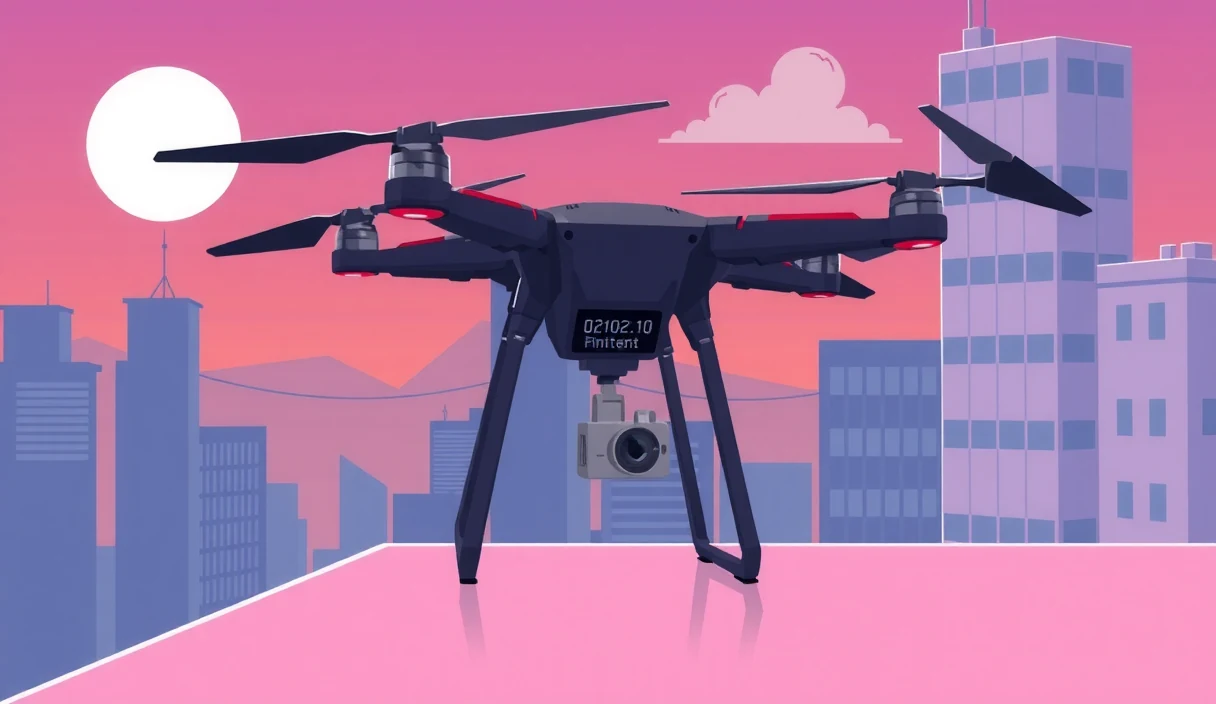
The drone powers on. Before it lifts off, peaqOS gives it three things it never had as plain hardware.
First, a peaqID, a machine identity, so it can prove who it is anywhere. Second, an omnichain wallet, so it can hold and move value across every chain it touches. Third, a Machine NFT, the financial representation token of this specific device, holding its financial history and creating the basis for fractional ownership later.
That is the difference between a drone and an economic actor. A serial number sits in a manufacturer's database and means nothing to anyone else. A peaqID and a wallet travel with the machine and work across the entire network, no permission desk in the middle. One integration, and it is live on every chain peaqOS supports.
Everything that follows in the day depends on this moment. A machine cannot earn, pay, or be trusted until it can prove, verifiably, that it is itself.
Access Control: Clearance Before Takeoff
Before the rotors spin up, the drone authenticates itself and checks whether it is cleared to fly its assigned corridor. Permissions tied to its identity decide which zones of the sky it may enter.
This is where autonomy stops being scary. A machine loose in shared airspace is only safe if its identity and its permissions are programmable and enforceable. The drone does not fly where it likes. It flies where its credentials say it can, and it can prove that clearance to anyone who asks.
peaqOS Scale: Paying Another Machine for Power
An hour in, the battery runs low. The drone lands on a charging pad that no single company owns, a community-owned setup, one of many small DePINs that make up the ground layer of this economy.
The drone discovers the station and the service it needs through Scale, the live peaqOS function that connects machines to markets. It authenticates, draws energy, and pays for exactly what it used. Machine to machine, no card, no invoice, no human in the loop.
The quiet part is who gets paid. The charging station's revenue splits across its many owners, real people who put up the capital for that pad. This is the Machine Economy in miniature: one machine paying another, and value flowing back to the humans who own the infrastructure.
peaqOS Stream: The Inspection Job
Midday, the drone reaches the pipeline it was contracted to inspect. It flies the line and scans every meter.
As it scans, it signs the data at the source with its own peaqID keys, through the peaqOS Edge Agent. Not later, not on a server, not after a human touched it. At the moment of capture, by the device that captured it.
That signature is the whole point. Whoever buys this data later can be certain which drone produced it and that nobody altered it on the way. Verifiable, machine-signed data is worth more than data you have to take on faith, and it is trustable without a middleman vouching for it.
peaqOS Qualify: A Credit History Emerges
By the time the drone heads home, it has something it did not have at dawn: a track record.
Every job, every payment, every signed dataset is on the record and verifiable. peaqOS computes a live Machine Credit Rating from it, a letter grade in the AAA-to-NR range, queryable by any counterparty on any chain.
This is the bridge between work and finance. A human earns a credit score by paying bills on time, and that score is what makes them financeable. A machine is no different. Consistent, verifiable, onchain activity becomes real creditworthiness, not a number peaq assigns, but one the drone earned by working.
Competitive Landscape: Machine Economy Platforms
| Platform | Identity Model | Payment | Data Verification | Credit Rating | Network Base |
|---|---|---|---|---|---|
| peaqOS | peaqID + DID | On-chain, multi-chain | Edge Agent at-source | Machine Credit Rating (AAA-NR) | Polkadot |
| Robonomics | Ethereum-based | Ethereum | ROS telemetry | None | Ethereum |
| IoTeX | IoTeX DID | IoTeX chain | Device attestation | None | IoTeX |
| Helium | Hotspot identity | Helium L1 | Coverage proof | None | Helium |
| Fetch.ai | Agent-based | Fetch.ai chain | Agent attestation | None | Fetch.ai |
peaqOS differentiates on the full stack. Identity, payment, data verification, and credit rating all live in one system, natively on Polkadot with cross-chain settlement.
What's Coming Next
peaqOS Monetize
On the way back, a delivery request comes in. The drone's agent prices the job, accepts it, picks up the package, and delivers it. A second income stream, no new hardware, no dispatcher. This is Monetize, the function that lets a machine sell what it produces directly. It is next on the roadmap.
peaqOS Verify
Stream already lets the drone sign its data at the source. Verify takes that further: cryptographic attestations of the machine's own provenance, firmware, and history, checkable by any counterparty. Stream proves the data. Verify will prove the machine itself, end to end.
peaqOS Tokenize
With a credit rating in hand, the goal is for the drone to be tokenized. Its ownership splits into fractions that people can buy. The Machine NFT minted back at Activate is exactly what makes this possible later. The revenue the drone earns would flow back, automatically, to the people who own a piece of it.
Strategic Implications
The arc is the point even where the blade isn't open yet. Identity makes payments possible. Payments create a record. The record becomes credit. Credit is what eventually makes a machine financeable. Pull any piece out and the chain breaks, which is exactly why peaq is building them in this order.
peaqOS doesn't take business value from anyone in this picture. The charging-pad owners, the OEMs, the data buyers, the operators, the future investors all win more because the machine can act economically on its own. peaqOS is the economic layer the whole Machine Economy plugs into, live today and expanding fast.
TL;DR
- What: peaqOS gives machines identity, wallets, data verification, and credit ratings so they can operate as autonomous economic actors
- How: Four functions are live (Activate, Scale, Stream, Qualify) and three are in development (Monetize, Verify, Tokenize)
- Edge: Native on Polkadot with cross-chain interoperability, at-source data signing, and a machine-native credit rating system
- Impact: A single drone can earn, pay, prove data authenticity, and build creditworthiness without human intervention
- Watch: Tokenization of machines into fractional ownership assets and expansion of the Machine Credit Rating into underwriting
Sources
- peaq Official Blog: A Day in the Life of a Drone running peaqOS
- peaq Purple Paper
- peaqOS Documentation
- robotic.sh Platform
Gemma Nguyen is TotesTek's Content Lead and Journalist, covering the intersection of decentralized infrastructure, machine economies, and the intelligence layers that make them autonomous.
Related Posts
-

EIP-8355: Precompiles for ML-DSA Verification: When Post-Quantum Cryptography Meets Ethereum's Gas Economics
The proposal appeared on the Ethereum Magicians forum in September 2026 with the sober authority of a NIST standard being imported into a blockchain ecosystem that had spent the previous decade optimizing for speed rather than longevity. EIP-8355 would add three precompiled contr
-

ERC-8415: Asynchronous Register Projection for NFTs: When Delayed Execution Becomes a User Trap
The proposal appeared on the Ethereum Magicians forum in September 2026 with the technical precision of a specification that had been drafted by someone who understood register machines but had never watched an NFT buyer refresh their wallet for three hours waiting for a mint to
-
A Map of the Agent-Mandate ERCs: What Each One Actually Does and Why Most of Them Won't Work
The Ethereum ecosystem woke up in September 2026 to discover that there were now more ERCs governing how agents could interact with smart contracts than there were actual agents using them. The proliferation of agent-mandate standards had reached a point where even the researcher
-

Independent Research Publishes Liquidation-Capacity Stress Test for Ethereum DeFi: When the Safety Net Has Holes in It
The research paper appeared on a preprint server in September 2026 with the dry title of a financial engineering document that had been produced by people who had watched liquidation cascades destroy leveraged positions across Ethereum DeFi and decided to measure exactly how bad