

NeuroWeb's H1 2026 Roadmap: Knowledge Signaling and DKG V8.3 for AI-Powered Decentralized Knowledge
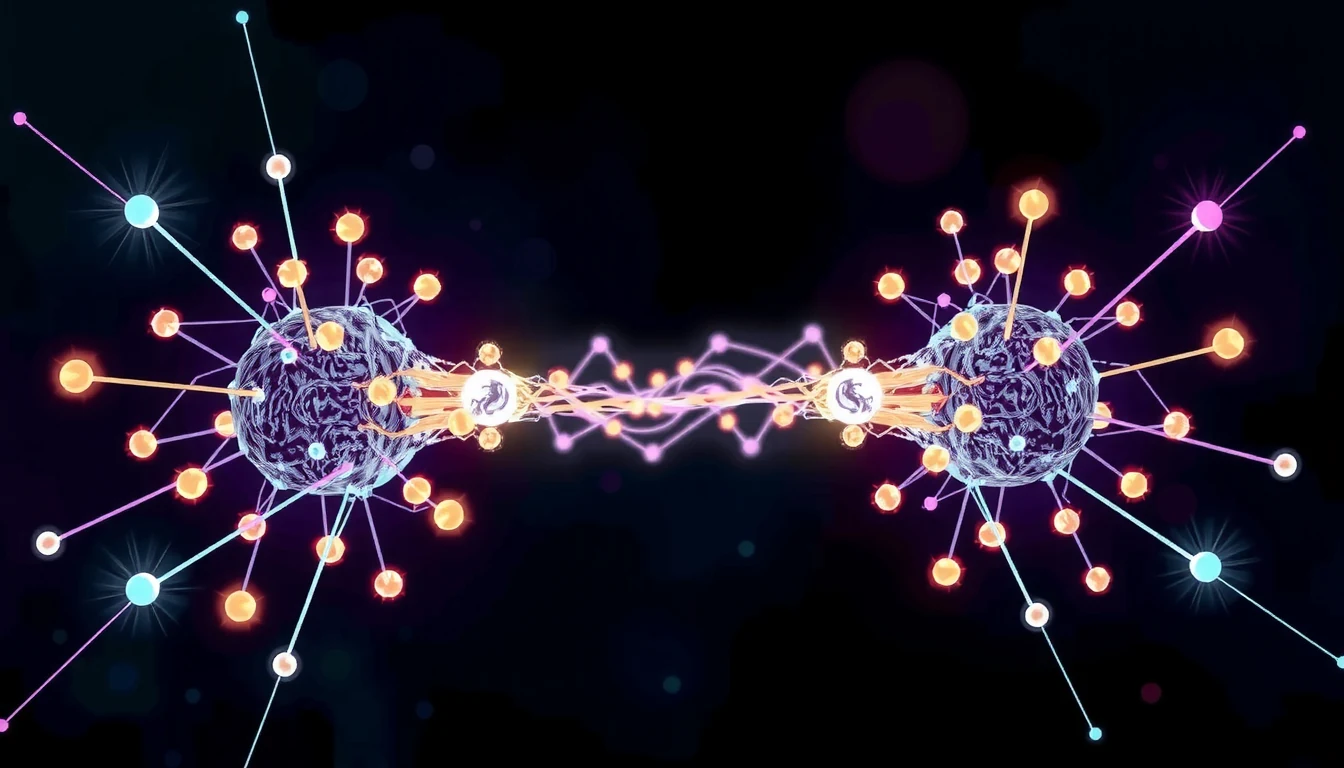
What if artificial intelligence could distinguish reliable information from noise not through centralized gatekeepers, but through decentralized community consensus? NeuroWeb's H1 2026 roadmap makes this vision tangible, introducing knowledge signaling mechanisms that allow token holders to curate and validate knowledge assets on-chain. This represents a fundamental shift in how AI systems access and trust information.
The protocol, built on Polkadot's infrastructure, has spent years developing what they call the Decentralized Knowledge Graph (DKG). Now they're moving from infrastructure to activation. The H1 2026 period marks a critical transition from protocol development to community-driven knowledge curation at scale.
At the heart of this release lies a simple but powerful insight: knowledge quality is best determined by those who use it. Traditional AI training relies on massive datasets of uncertain provenance. NeuroWeb proposes an alternative where knowledge assets carry verifiable reputation scores derived from actual usage patterns and community validation. This isn't just a technical upgrade; it's a reimagining of how knowledge economies function.

Knowledge signaling transforms passive token holding into active curation of AI training data quality.
Knowledge Signaling: From Passive Holding to Active Curation
The knowledge signaling mechanism works by allowing NEURO token holders to "signal" knowledge assets they believe are valuable. This isn't a vote in the traditional sense. Instead, it's an economic stake that follows usage. When developers query specific knowledge assets through NeuroWeb's infrastructure, those signals translate into measurable reputation scores.
Think of it like citations in academic research, but automated and economically incentivized. The more an AI system relies on a particular knowledge asset, and the more token holders have signaled confidence in that asset, the higher its reputation score becomes. Low-quality information naturally sinks while valuable knowledge rises to the top.
This creates what NeuroWeb calls "curated knowledge pools." AI developers can now filter queries by reputation thresholds, ensuring their models train on verified, community-approved information rather than unvetted internet scrapings. For enterprises building AI applications, this addresses a critical concern: how do you trust the data feeding your models?
The implications extend beyond technical infrastructure. Knowledge signaling democratizes AI governance. Rather than a small team of engineers determining what information matters, the broader community participates in shaping AI training data. This aligns with broader Web3 principles of decentralized decision-making while solving practical problems AI developers face daily.

DKG V8.3 brings enhanced query performance and expanded asset types to the knowledge infrastructure.
DKG V8.3: Infrastructure Meets Scale
The DKG V8.3 release represents a major upgrade to NeuroWeb's core infrastructure. Previous versions established the foundation: a way to store knowledge assets on-chain with cryptographic proofs of authenticity. V8.3 scales this foundation to meet production demands.
Key improvements include sub-second query responses for knowledge assets, expanded support for multimedia content types beyond text, and enhanced interoperability with other Polkadot parachains. These aren't incremental improvements; they're the difference between experimental infrastructure and production-ready systems.
Perhaps most significantly, V8.3 introduces programmable knowledge asset permissions. Developers can now define granular access controls, creating tiered knowledge markets where some information remains open while premium assets require specific token holdings or payments. This enables sustainable business models for knowledge creators while maintaining the open infrastructure that makes NeuroWeb valuable.
The upgrade also addresses a persistent challenge in decentralized systems: data availability. Through improved replication strategies and incentive mechanisms for node operators, V8.3 ensures knowledge assets remain accessible even as network participation fluctuates. This reliability matters for AI developers who can't afford downtime in their knowledge pipelines.

Community activation brings token holders into active governance and knowledge curation roles.
Community Activation and the Path Forward
Releasing infrastructure is only half the equation. NeuroWeb's roadmap dedicates significant attention to community activation through targeted airdrops and governance incentives. The goal is straightforward: transform token holders from passive speculators into active participants.
The activation strategy follows a phased approach. Initial airdrops target early adopters who have interacted with DKG infrastructure, rewarding genuine usage over mere holding. Subsequent distributions focus on knowledge curators who actively participate in the signaling mechanisms. This creates a self-reinforcing cycle where engaged users receive additional influence, which they can then use to shape the knowledge graph further.
Governance participation forms another pillar of the activation strategy. H1 2026 introduces delegated voting mechanisms that lower barriers to meaningful participation. Token holders can delegate their voting power to knowledge domain experts without surrendering ownership, creating a hybrid model of direct and representative governance.
Looking beyond the immediate roadmap, NeuroWeb's trajectory points toward a broader vision: a world where AI systems access knowledge through decentralized, community-curated channels rather than proprietary databases. The H1 2026 releases don't complete this vision, but they make it operationally real for the first time.
What to Watch: Monitor DKG query volumes and knowledge asset creation rates in the months following V8.3 release. These metrics will indicate whether knowledge signaling achieves the network effects necessary for sustainable curation. Also track which AI developers integrate NeuroWeb's curated knowledge pools into their training pipelines.
The transition from infrastructure to activation is always risky. Projects can build compelling technology that never finds product-market fit. NeuroWeb's approach, combining technical upgrades with economic incentives for community participation, gives this release a realistic path to adoption. For those building AI applications, the H1 2026 roadmap offers something increasingly scarce: knowledge infrastructure you can actually trust.
Related Posts
-

Moonriver Migrates to Base: When a Kusama Parachain Becomes an Ethereum Layer 2 Token
The announcement arrived on July 7, 2026, with the polite language of a network that had spent four years building its own blockchain infrastructure and was now admitting that infrastructure was not where the users were. Moonriver—the Kusama parachain that had served as the canar
-

Hyperbridge Update on Recovery Efforts and Next Steps After April Token Gateway Exploit
I was on a call with a DeFi protocol founder when the news broke. Hyperbridge's Token Gateway had been exploited, and all bridging operations were paused. The founder's first question wasn't about the attacker. It was: 'How long until they publish a detailed recovery plan?' In th
-

peaq Brings Korea's Public Data to Robots and Machines
I was in Seoul last spring watching a delivery robot navigate a busy sidewalk when it suddenly stopped at a crosswalk. Not because of a pedestrian, but because its battery was running low and it needed to find a charging station. The robot knew where it was, but it didn't know wh
-

Behind the Chart: An Update on $PEAQ Liquidity, Supply, and Market Structure
I was reviewing exchange data last month when a metric caught my attention. $PEAQ spot trading volume had climbed to $234 million in Q2 2026, more than triple the Q1 figure. For a token that launched its TGE just over a year ago, that kind of velocity is not typical. It suggested