

Web3 Governance Evolves: How DAOs Are Reshaping Organizational Decision-Making
Decentralized Autonomous Organizations (DAOs) have evolved from experimental concepts to functional governance structures managing billions in assets. These community-owned entities represent a fundamental shift in how organizations make decisions, allocate resources, and coordinate collective action without traditional hierarchical management.
Beyond the Hype
Early DAOs suffered from low participation, plutocratic token-weighted voting, and vulnerability to coordinated attacks. The learning curve was steep, with high-profile failures exposing governance weaknesses. But the ecosystem has matured considerably, with modern implementations incorporating lessons from these early experiments.
Today's successful DAOs employ sophisticated mechanisms: delegation systems that allow token holders to entrust voting power to informed representatives, multi-signature treasury controls requiring consensus for large expenditures, and progressive decentralization that gradually transfers authority from founding teams to community governance.

Treasury Management Innovation
One of the most significant developments is professionalized treasury management. DAOs now manage treasuries comparable to mid-size investment funds, requiring sophisticated financial operations. Community-elected treasury committees oversee diversification strategies, risk management, and strategic allocations.
Security has improved dramatically. Multi-signature requirements, timelocked transactions, and circuit breakers protect against both external attacks and internal capture. The infrastructure now supports complex financial operations while maintaining community oversight.
Voting Mechanisms
Governance token voting remains the dominant model, but alternatives are emerging. Quadratic voting reduces the influence of large token holders. Conviction voting allows participants to express preference intensity. And optimistic governance assumes proposals pass unless challenged, reducing voter fatigue.

These innovations address legitimate criticisms of token-based governance. Pure token-weighted voting creates plutocracies where wealth determines influence. Modern systems balance this with mechanisms that encourage broader participation and protect minority interests.
Real-World Coordination
DAOs are proving effective for specific coordination challenges. Developer ecosystems use them to allocate grants and prioritize protocol upgrades. Investment collectives pool capital and expertise for due diligence. And social communities coordinate shared resources without traditional organizational overhead.
The common thread is situations where trust minimization matters. Traditional organizations rely on legal contracts and reputation. DAOs replace these with code and cryptographic guarantees, enabling coordination among parties who don't know or trust each other.
Looking Forward
The next evolution of DAO governance focuses on expertise and accountability. Delegation systems are becoming more sophisticated, with voters able to delegate different decisions to different experts. Reputation systems track contribution history, informing governance participation. And hybrid structures combine community oversight with professional execution.
This maturation is necessary for scaling. Early DAOs could function with informal processes and high-trust assumptions. Managing significant resources requires governance infrastructure that rivals traditional institutions in sophistication while maintaining decentralized values.
TL;DR
DAOs have evolved from experimental concepts to functional governance structures managing billions in assets. Modern implementations incorporate delegation systems, multi-signature treasury controls, and progressive decentralization. Treasury management has professionalized with community-elected committees overseeing complex financial operations. Voting mechanisms are diversifying beyond token-weighted models to include quadratic voting, conviction voting, and optimistic governance. DAOs prove most effective where trust minimization matters, enabling coordination without traditional organizational overhead. Future evolution focuses on expertise delegation, reputation systems, and hybrid structures that combine community oversight with professional execution.
Related Posts
-
Web3 Identity: Self-Sovereign Systems and the Future of Digital Authentication
Digital identity is broken. For decades, we've traded our personal data for access to online services, creating a landscape of fragmented, vulnerable identities controlled by centralized authorities. Web3 is offering an alternative: self-sovereign identity systems that put users
-
Crypto in Disguise: Why the Future of Blockchain Is Invisible to Users
The next wave of web3 success hinges on blending blockchain technology into daily life so well that users barely notice it’s there—just great products, steered by open communities, powering real change behind the scenes.
-
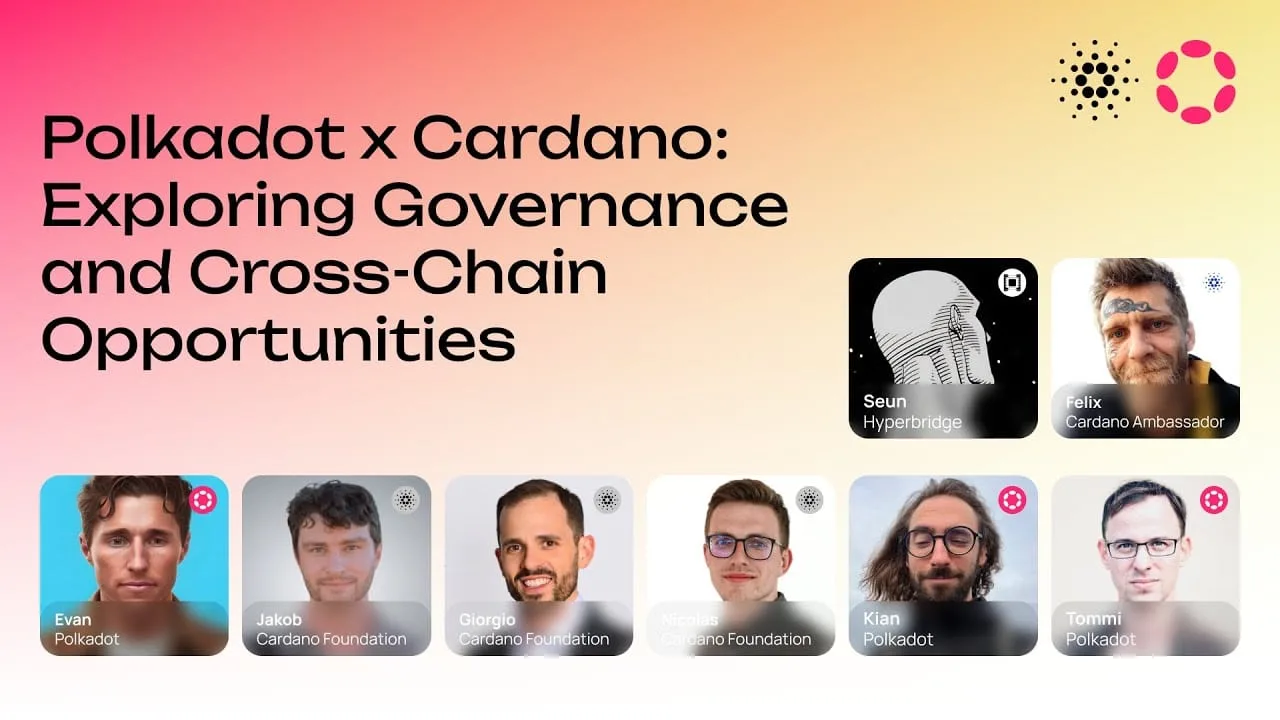
Two Worlds Collide: Inside the Cardano and Polkadot Community Dialogue
Cardano and Polkadot have more in common than you’d think: both shaped by Ethereum, both obsessed with sustainable innovation, and both uniquely human at the core. Their leaders confess frustrations, trade insights on consensus, and poke at each other’s philosophies—all reminding us that the future of Web3 builds on honest conversation, not just code.
-
From Construction Sites to Crypto Protocols: Bridging the Gap Between Traditional Industries and Web3
Web3 isn’t just about new tech—it’s about rethinking how old problems get solved. By bringing blockchain into industries like construction and harnessing tools like Polkadot, genuine innovation can emerge—if we center the process around real issues, not flashy solutions.