

Yoki Arcade on Soneium: Gaming Innovation or Just Another Engagement Loop?
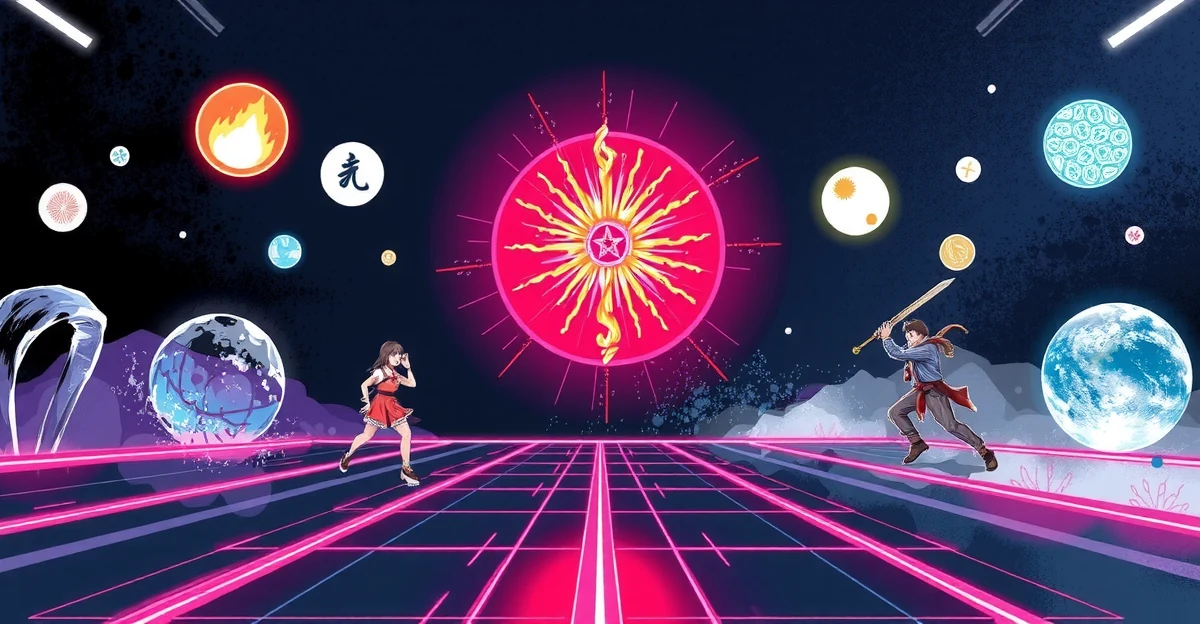
Yoki Arcade on Soneium: Gaming Innovation or Just Another Engagement Loop?
Quick Pulse: The First Campaign
| Platform | Yoki Arcade on Soneium (Sony's Ethereum L2) |
| Campaign | First full run on Ukiyo Circuit (May 2026) |
| Mechanics | PvP duels with Yoki Core NFT fighters |
| Token Integration | ASTR at every step (minting, matching, resolving) |
| Ecosystem Reach | 3.5M+ unique wallets on Astar/Soneium |
I remember when blockchain gaming was supposed to be the Trojan horse for mainstream adoption. The pitch was simple: gamers love digital assets, blockchains verify ownership, put them together and watch the ecosystem explode. That was the theory. The Astar Collective's Yoki Arcade, which just completed its first full campaign on Soneium's Ukiyo Circuit in May 2026, shows what the reality actually looks like.
Here's the setup: players mint Yoki Core NFTs as fighters, stake ASTR tokens to enter duels, commit unseen choices (like rock-paper-scissors with elemental themes), and resolve matches onchain. Built inside the Startale App on Sony's Ethereum Layer 2, it puts ASTR to work at every step. The marketing writes itself—"continuous onchain stage," "real gameplay with real stakes," "3.5 million unique wallets engaging." But when you pull back the curtain, Yoki Arcade looks less like gaming innovation and more like an elaborate engagement funnel for Astar's token economy.
The Mechanics of Engagement

The gameplay is straightforward: each Yoki Core NFT is assigned one of four elements (fire, water, earth, air). Players commit their choice secretly, the duel resolves based on elemental matchups, and winners take the stakes. It's a proven mechanic—simple, accessible, easy to understand. But here's the friction: every action requires ASTR. Minting the fighter costs ASTR. Entering the duel costs ASTR. The resolution happens on Soneium, which means bridging costs, gas fees in a native token, and the perpetual need for more ASTR to keep playing.
This isn't accidental. Astar Network, which powers the infrastructure behind Yoki Arcade, has been pushing toward deeper Soneium integration since Sony's L2 launched in January 2026. The "continuous onchain stage" isn't just about gaming—it's about creating persistent demand for ASTR in a closed economic loop.
The Onchain Gaming Utility Score (OGUS)
Formula: OGUS = (Gameplay Depth × 0.4) + (Asset Portability × 0.3) + (Economic Sustainability × 0.3)
Yoki Arcade Score: 5.1 / 10
Moderate gameplay depth (simple elemental mechanics), limited asset portability (tied to Astar/Soneium ecosystem), questionable economic sustainability (requires continuous ASTR inflows).

The 3.5 Million Wallet Question
Astar likes to highlight that more than 3.5 million unique wallet addresses have engaged onchain across their ecosystem. That number sounds impressive until you ask what "engagement" actually means. In the context of Yoki Arcade, it likely includes wallets that minted one NFT, played a few rounds, and never returned. It includes airdrop farmers collecting tokens for future speculation. It includes bots designed to game the elemental matching system.
The Ukiyo Circuit—the environment where Yoki Arcade runs—isn't a public blockchain in the traditional sense. It's a curated space inside Startale App, controlled by Astar and running on Soneium's sequencer. When the press release says "first full campaign," what they mean is the first time the internal metrics looked good enough to announce publicly. This is theater, not transparency.
Blockchain Gaming Model Comparison
| Model | Gameplay | Asset Control | Token Pressure | Sustainability |
|---|---|---|---|---|
| Traditional Gaming | Rich, complex | Platform-controlled | None | High |
| Yoki Arcade | Simple PvP | NFT ownership | Constant (ASTR) | Uncertain |
| True Blockchain Gaming | Varies | Full self-custody | Optional | Depends on game |

Who Benefits from the Arcade?
The winners in this ecosystem aren't hard to identify. Astar Network gets sustained demand for ASTR. Soneium gets transaction volume to justify its L2 existence. Sony Block Solutions Labs gets another data point for their "Web3 gaming" pitch to investors. The Startale App gets users who need to keep coming back to manage their Yoki Cores and stake more ASTR.
The losers? Anyone who actually believes this represents the future of gaming. Elemental rock-paper-scissors with token stakes isn't innovation—it's a slot machine with better graphics. The "PvP" label suggests skill-based competition, but the outcome depends on hidden commitments and random matchups, not player mastery.
Decision Framework: Should You Play?
| Player Type | Verdict | Rationale |
|---|---|---|
| Casual Gamers | ❌ Skip | Simple mechanics don't justify token costs and wallet complexity |
| ASTR Holders | ⚠️ Utility Check | Creates demand for your token, but gameplay value is questionable |
| NFT Speculators | ⚠️ Evaluate Carefully | Yoki Cores have limited utility outside the arcade |
| True Gamers | ❌ Avoid | Shallow gameplay masked by blockchain complexity |
The Verdict
Yoki Arcade completing its first full campaign on the Ukiyo Circuit isn't a milestone for blockchain gaming—it's a milestone for engagement farming. The Astar Collective has built a machine that converts ASTR into "gameplay" and "wallet engagement" and "ecosystem growth." The machine works. The 3.5 million wallets prove it.
But working isn't the same as winning. When the next trendy blockchain game launches with better graphics or lower fees, where will Yoki Arcade's players go? More importantly, will they be able to take their Yoki Cores with them, or are they locked into Astar's economic orbit?
The technology was always going to be co-opted by token economics. The disappointment is how quickly "gaming" became synonymous with "staking" and "minting" and "engagement loops. Yoki Arcade doesn't prove that blockchain gaming has arrived. It proves that even simple games can be made complicated enough to require their own tokens.
Sources:
- Astar Network: "Yoki Arcade Is Live" (May 2026)
- Astar Network (@AstarNetwork) on X: "Yoki Arcade ran its first full campaign"
- Astar Network: "Astar in 2025: Setting the Baseline for 2026"
- CoinQM: "Astar Network Unveils 'Arcade' Game Mode for Yoki Experience" (May 2026)
Related Posts
-

Startale Summer Fiesta with Mini Apps Brings Rewards to Soneium Ecosystem Users
I opened the Startale App last Tuesday expecting the usual sparse interface, and instead found a carnival. Mini Apps for everything from token swaps to prediction markets were live, each with point multipliers and limited-time rewards. On August 11, 2026, Startale launched its Su
-
Soneium Agent Hackathon Offers $30,000 in Prizes for AI, DeFi, and Creator Projects
Soneium launched the Agent Hackathon on August 8, 2026, offering $30,000 in total prizes for developers building AI agents, DeFi applications, and creator economy projects on the Soneium network. The hackathon runs through September 15, 2026, with judging focusing on technical in
-
Soneium S.BLOX Mints Ghost in the Shell NFT Collection for Crypto Asset Trading
Soneium partnered with S.BLOX crypto asset trading services to mint a Ghost in the Shell NFT collection on the Soneium network, bridging iconic anime intellectual property with blockchain-based digital asset trading. The collaboration represents a significant convergence of mains
-
Soneium Allocates 100 Million ASTR Tokens to Boost Ecosystem Growth and Astar Collective Expansion
Soneium announced a strategic allocation of 100 million ASTR tokens designed to accelerate ecosystem growth, incentivize developers, and expand the Astar Collective within the Soneium network. The allocation represents one of the largest ecosystem incentive programs in the Polkad