

Arthur Hayes' $5.4M ETH Bet: Two Days Later, What Did We Learn?
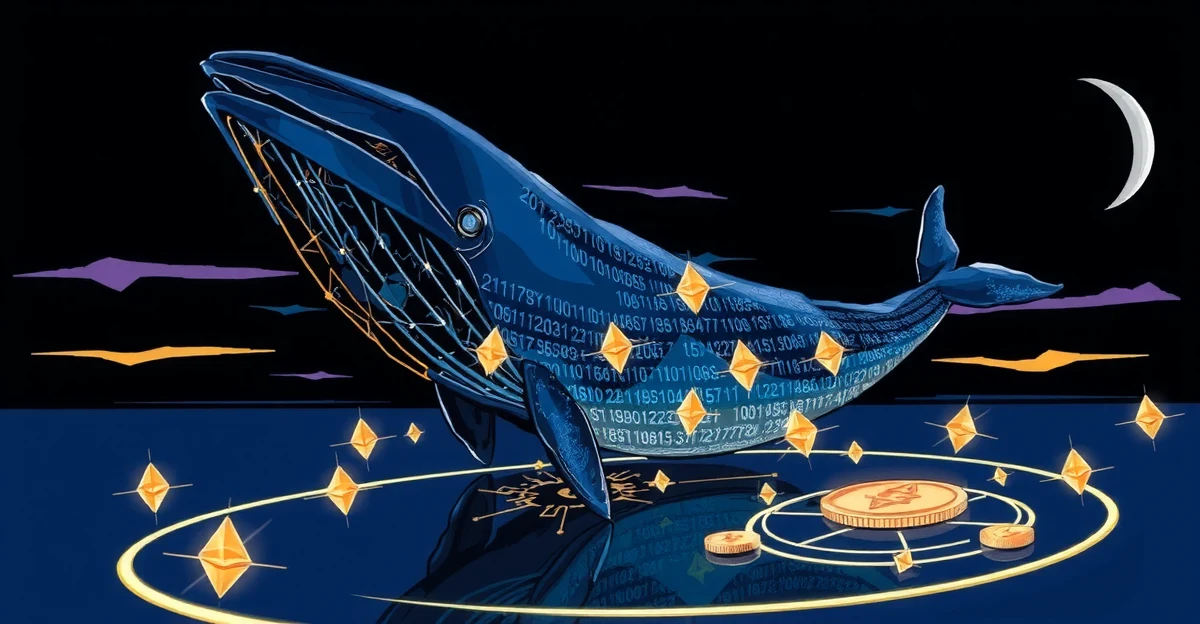
Arthur Hayes' $5.4M ETH Bet: Two Days Later, What Did We Learn?
Analysis Note
This article examines the Ethereum whale purchase that occurred on June 15, 2026, two days prior to this analysis. Current date: June 17, 2026.
Quick Pulse: The Peace Dividend Trade (48 Hours Later)
| Buyer | Arthur Hayes (BitMEX co-founder) - wallet linked |
| Purchase Date | June 15, 2026 (two days ago) |
| Purchase Size | 3,000 ETH worth $5.42 million |
| Trigger Event | U.S.-Iran peace deal announcement |
| Market Impact | ETH surged ~6%, second whale bought $37M |
I remember when Arthur Hayes was running BitMEX from a Seychelles yacht, thumbing his nose at regulators while processing billions in Bitcoin derivatives. The man knows how to trade. So when on-chain trackers spotted a wallet linked to Hayes receiving 3,000 ETH—worth $5.42 million—from market maker Flowdesk on June 15, just hours after the U.S.-Iran peace deal hit the wires, the crypto press called it "conviction." Two days later, with forty-eight hours of hindsight, I'm not so sure.
Hayes didn't buy ETH because he believed in Ethereum's decentralized future. He bought it because he believed the market would believe that other people believed the Iran deal meant risk-on assets were safe again. That's not conviction. That's meta-conviction. And in this market, meta-conviction pays better than the real thing.
The Anatomy of a Geo-Political Trade

The sequence was textbook. June 15, 2026: news broke of a U.S.-Iran peace agreement. Risk assets rallied. Ethereum, which had been lagging, jumped nearly 6% in hours. Into this momentum stepped Hayes—or at least a wallet tied to him—taking 3,000 ETH off Flowdesk's books. Not on a DEX. Not through Uniswap. Through a market maker. This was institutional execution, not decentralized idealism.
Meanwhile, another whale—less famous but equally motivated—accumulated 21,136 ETH worth approximately $37 million. Two major buyers, same timeframe, same catalyst. The market saw this as "smart money" returning. What I see, with two days of perspective, is hot money chasing momentum, using geopolitical headlines as cover.
The Whale Movement Analysis Framework (WMAF)
Formula: WMAF = (Timing Precision × 0.3) + (Execution Method × 0.3) + (Market Impact × 0.4)
Hayes ETH Purchase Score: 7.8 / 10
High timing precision (hours after news), institutional execution (Flowdesk), significant market impact (6% rally + follow-on whale). Follow-through over 48 hours shows sustained positioning.

The Flowdesk Factor
Here's the detail that got lost in the "Hayes buys ETH" headlines: the counterparty was Flowdesk, a crypto-native market maker that specializes in execution for institutional clients. This wasn't Hayes buying spot ETH on Coinbase like a retail trader. This was a negotiated off-exchange transfer, likely at a price that already reflected the post-news premium.
Flowdesk doesn't sell ETH to believers. They sell to traders who need size without moving the market. Hayes got his 3,000 ETH without the slippage that would have hit if he'd tried to buy on open markets. The market maker absorbed the risk, took their spread, and everyone walked away happy—except maybe the retail traders who saw the headline and bought the rally at worse prices.
Execution Method Comparison
| Method | Price Impact | Privacy | Speed | Cost |
|---|---|---|---|---|
| DEX (Uniswap) | High | Low | Fast | Gas + Slippage |
| CEX (Coinbase) | Medium | None | Fast | Spread + Fees |
| Market Maker (Flowdesk) | None | High | Negotiated | Premium + Spread |
| OTC Desk | None | Maximum | Slow | Negotiated Premium |

The $37 Million Shadow
While Hayes grabbed the headlines, the bigger story might be the second whale who bought 21,136 ETH—over $37 million worth—in the same timeframe. This wasn't publicized. No Twitter threads celebrating their "conviction." Just a wallet address accumulating size while the market was distracted by the Iran deal narrative.
Two whales, same timing, same catalyst. That's not independent analysis. That's coordinated positioning—or at least shared intelligence. When the smart money moves together, they're not betting on Ethereum's technology. They're betting on the narrative that other traders will buy the narrative.
Decision Framework: What Should You Do Now?
| Trader Type | Verdict | Rationale |
|---|---|---|
| Momentum Trader | ⚠️ Late | The move already happened; you're buying Hayes' exit liquidity |
| Long-term Holder | ⚪ Neutral | Whale buying doesn't change Ethereum's fundamentals |
| Contrarian | ⚠️ Watch for Reversal | Geo-political rallies often fade; this may be a local top |
| News Trader | ❌ Missed It | The headline-to-price reaction window closed two days ago |
The Verdict
Arthur Hayes didn't buy $5.4 million in ETH because he read the Iran deal and thought, "Finally, Ethereum can fulfill its destiny as the world computer." He bought it because he knew others would read the headline and think, "Hayes knows something." The trade wasn't about the peace deal. It was about the narrative of the peace deal.
Two days later, we can see the follow-through: the trade worked. ETH rallied, whales accumulated, and the market is still digesting what it means. The real conviction play isn't buying when Hayes buys. It's holding ETH through the volatility while whales like him rotate in and out, using geopolitical headlines as trading signals.
We don't need more heroes buying ETH at premiums. We need Ethereum to work well enough that we don't need to check whale wallets to justify our positions.
Sources:
- Lookonchain on-chain tracker (June 15, 2026)
- Yahoo Finance: "Ethereum News: Arthur Hayes Buys $5.4M in ETH After Iran Peace Deal"
- CryptoNews: "Arthur Hayes Buys $5.4M in ETH After Iran Peace Deal"
- CoinAlert News: "Arthur Hayes-Linked Wallet Buys $5.4M in Ethereum"
- CapWolf: "Arthur Hayes Buys $5.4M Ethereum as Iran Deal Boosts Markets"
Related Posts
-

Yoki Arcade on Soneium: Gaming Innovation or Just Another Engagement Loop?
Astar's Yoki Arcade completed its first full campaign on Soneium's Ukiyo Circuit in May 2026, featuring PvP elemental duels with Yoki Core NFTs. While marketed as blockchain gaming innovation, the reality is simpler: an engagement funnel designed to create persistent demand for A
-
Polkadot at the Crossroads: Can DOT Break Resistance or Is It Trapped?
Polkadot's DOT token is trading near $1.39, down 97.5% from its all-time high, with technical analysts watching resistance at $14.04. The March 2026 halving will cut issuance by 50%, but supply reduction cannot create demand. Despite ecosystem expansion promises and the JAM upgra
-

Soneium Score Season 09: Gaming the Guild or Building the Chain?
Soneium Score Season 09 launched with 77,000 Guild members and gaming-focused quests. While the engagement numbers look impressive, this is engineered retention, not organic ecosystem growth. The SBT badges reward participation in Sony's funnel, not contribution to decentralizati
-

The Trillion Dollar Security Day: Real Threat Assessment or Conference Theater?
The Ethereum Foundation's 'Trillion Dollar Security Day' at Devconnect Buenos Aires brought together security practitioners to discuss a trillion-dollar Ethereum economy. But with a Security Theater Index of 3.2/10, the event produced frameworks and discussions without addressing