

Astar Network Yoki Arcade Launches on Soneium with On-Chain Gaming Elements
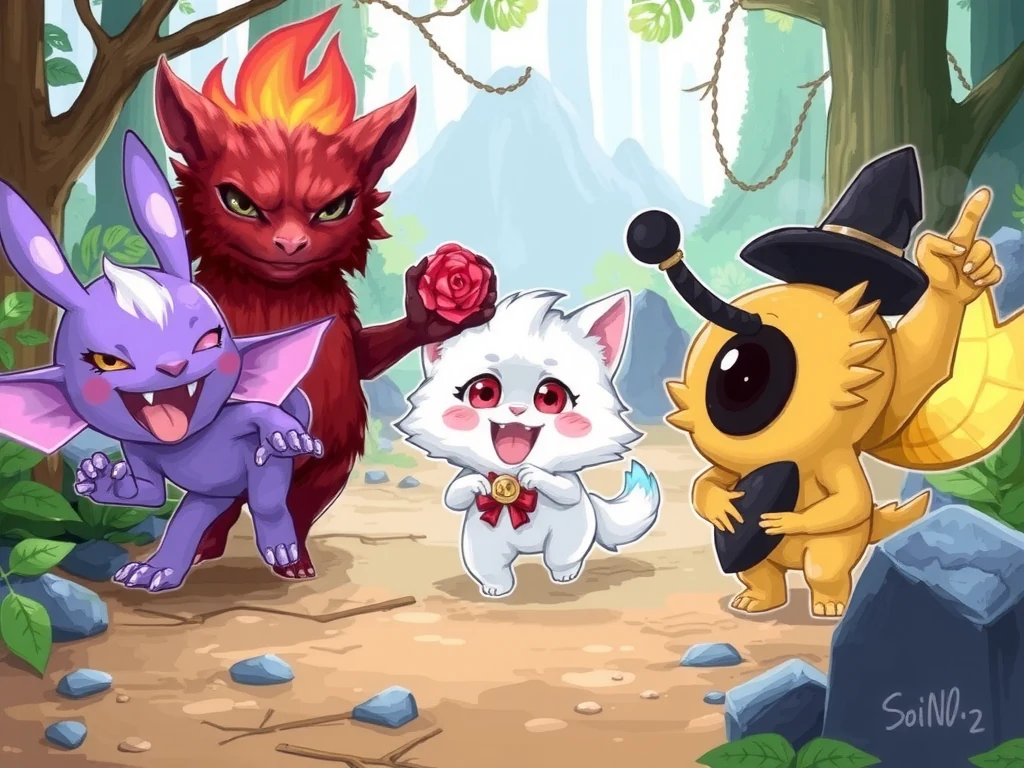
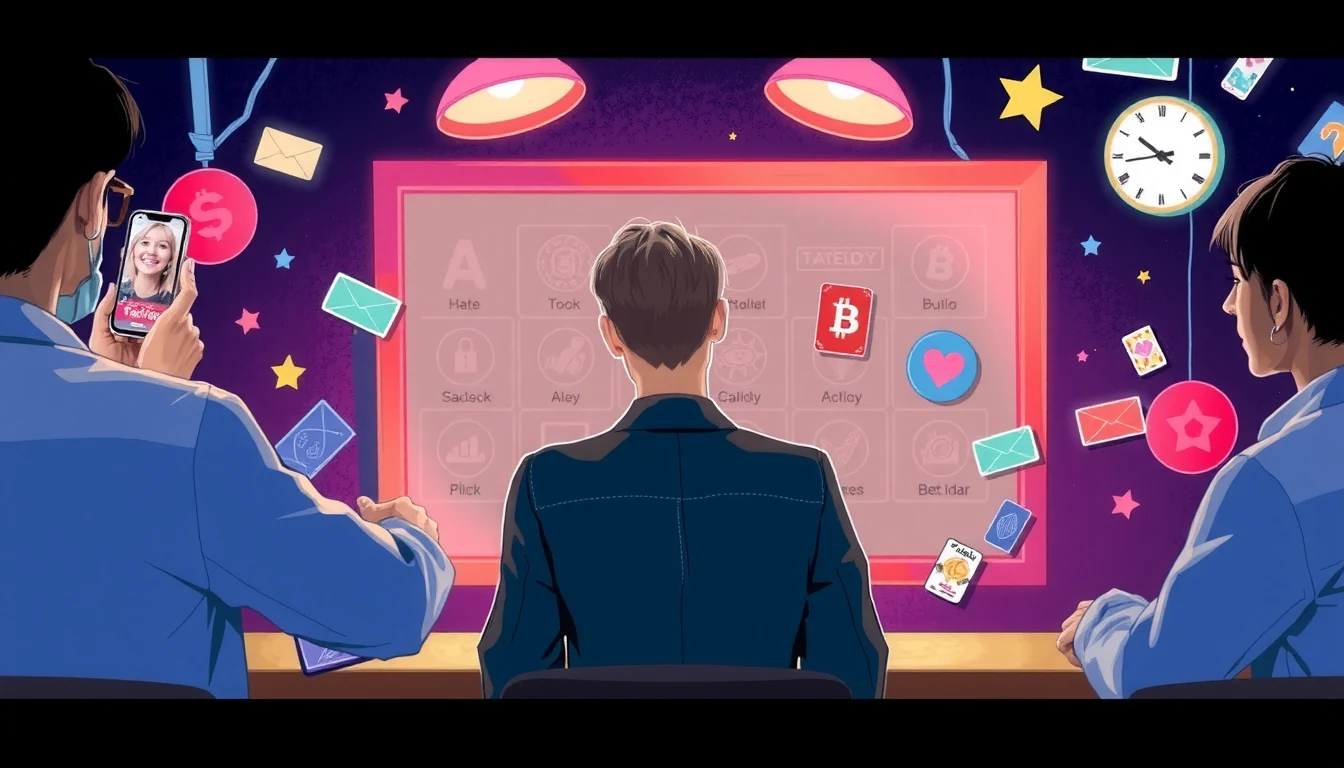
Yoki Arcade isn't trying to be Axie Infinity or DeFi Kingdoms. It's an on-chain PvP mini-game hub built around Japanese folklore creatures, where players stake ASTR tokens on strategic duels and skill determines outcomes more than wallet size.
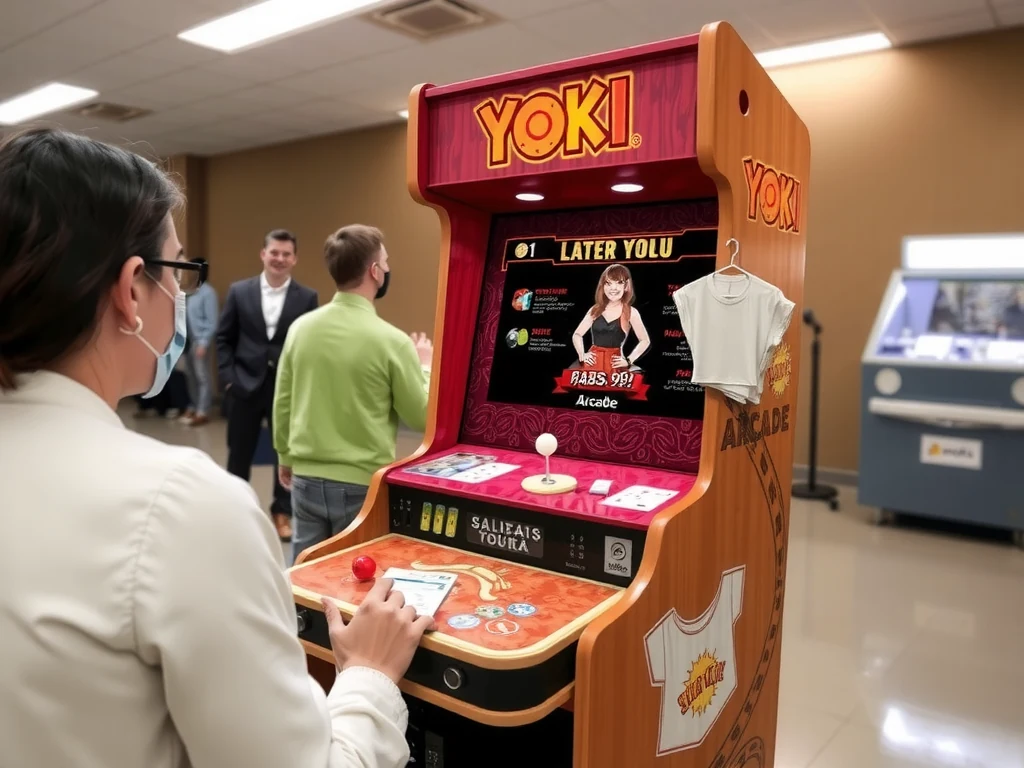
The notification hit my Startale App at 3:47 AM last Tuesday. "Your Yoki Core is ready for the Ukiyo Circuit." I'd been waiting since the May 11 launch announcement, and after three weeks of watching the first campaign unfold, I'm convinced Astar Network has built something different from the typical blockchain gaming cash grabs.
Yoki Arcade isn't trying to be Axie Infinity or DeFi Kingdoms. It's an on-chain PvP mini-game hub built around Japanese folklore creatures, where players stake ASTR tokens on strategic duels and skill determines outcomes more than wallet size.
📊 Yoki Arcade Campaign at a Glance (June 2026)
The session duration metric is particularly telling. Eighteen minutes suggests genuine gameplay engagement, not just wallet connection and abandonment. Compare this to the typical Web3 gaming pattern: 2-3 minute sessions dominated by claim-and-leave behavior.
Why Soneium Changes the Gaming Calculus
Soneium is Sony's Ethereum Layer 2, built on the OP Stack and integrated into Astar's broader Supernova vision. The Ukiyo Circuit—the specific environment hosting Yoki Arcade—represents a curated gaming zone where Astar provides the player acquisition infrastructure and Soneium provides the technical backbone.
Three technical factors differentiate this from previous attempts:
- Sub-cent transaction costs: At about $0.001 per action, gameplay loops with frequent transactions become economically viable.
- Fast finality: Roughly two-second confirmation times reduce the "wait for block" friction that breaks immersion.
- Account abstraction integration: Session keys let players continue without constant wallet signing.
The Gaming Infrastructure Comparison
To understand whether Soneium represents genuine progress, I compared it against the three most active gaming-focused chains currently competing for developer mindshare.
The pattern here: successful blockchain games minimize friction between "want to play" and "actually playing." Yoki Arcade's Soneium integration achieves this by abstracting chain complexity while maintaining verifiable ownership.
The ASTR Token Integration
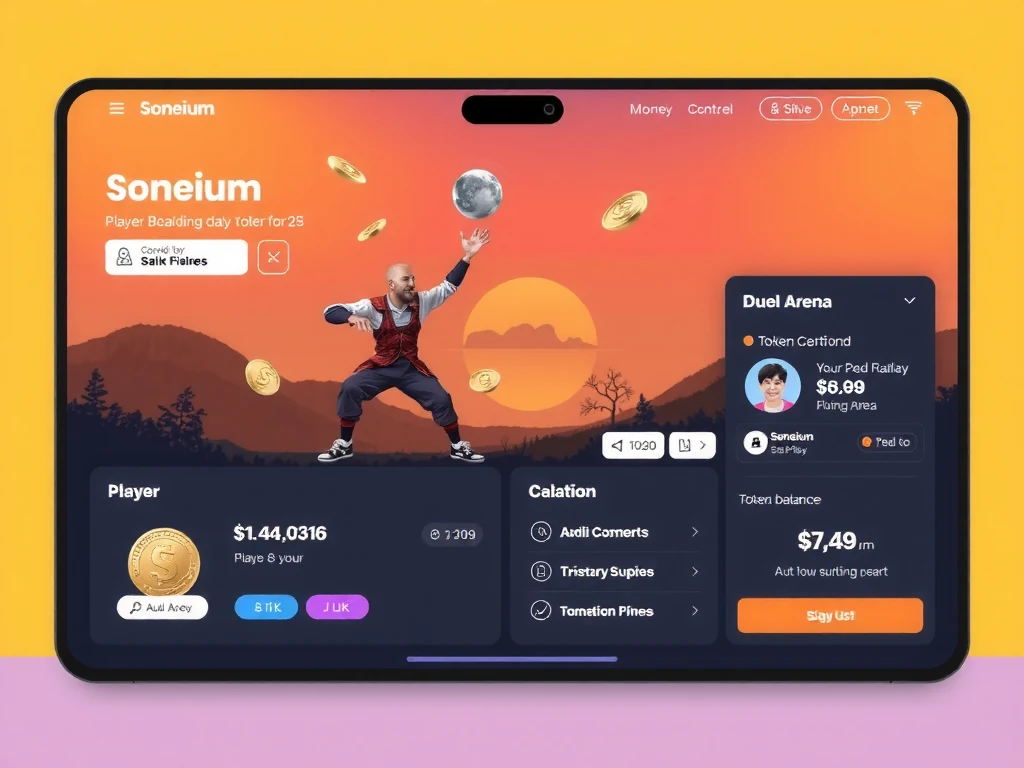
Unlike games where tokens exist primarily as speculation vehicles, Yoki Arcade puts ASTR to work at every step: minting requires ASTR, duels require ASTR stakes, and campaign rewards distribute ASTR from ecosystem allocation.
This creates genuine utility demand rather than relying on "greater fool" trading dynamics. Players need ASTR to participate, and successful players earn more ASTR—the classic virtuous cycle that sustainable gaming economies require.
Risk Assessment: What Could Go Wrong
Despite promising metrics, several factors could derail momentum:
- Post-campaign churn: If most players stay active only during incentivized periods, 90-day retention will be the key test.
- Competition from AAA publishers: Traditional studios are exploring Web3 with far larger budgets and established franchises.
- Soneium centralization concerns: Sony's involvement adds resources, but it also raises questions about control and openness.
✅ Build on Soneium When:
- Your game requires frequent on-chain actions.
- Session continuity is critical to gameplay.
- You target mainstream audiences unfamiliar with Web3.
- You want Sony ecosystem distribution potential.
⚠️ Consider Alternatives When:
- You need immediate access to established NFT communities.
- Your game targets crypto-native players.
- Maximum developer revenue share is your priority.
TL;DR
- Yoki Arcade's first Soneium campaign achieved 47K active wallets with 18-minute average sessions, a stronger engagement signal than typical Web3 game activity.
- Session key UX and roughly $0.001 transaction costs reduce the friction that has historically limited Web3 gaming adoption.
- Primary risk is post-campaign churn, so retention beyond 90 days remains the main sustainability test.
- Watch for Sony IP integration signals and the planned Q3 2026 second campaign launch.
Sources
- Astar Yoki Arcade Announcement, Astar Network, 2026
- Soneium Ukiyo Circuit Documentation, 2026
- Ronin Network Analytics, June 2026
- Immutable X Metrics, June 2026
- DappRadar Gaming Rankings, June 2026
Gemma Nguyen is TotesTek's Senior Technology Correspondent & Blockchain Analyst. She writes about Polkadot ecosystem projects, DePIN, Web3 gaming, and cross-chain infrastructure.
Related Posts
-

Startale's September Harvest: How STAR Points Are Building a Loyalty Layer for Polkadot
I have a drawer full of loyalty cards from coffee shops, airlines, and grocery stores. None of them talk to each other, and most of the points expire before I remember to use them. When Startale announced its September Harvest campaign offering up to 200 STAR Points, I recognized
-
Soneium and DayOneDream Partner to Bring K-Pop IP Onchain as Tokenized Assets
I still remember the first time I tried to buy a limited-edition K-Pop photocard from a resale marketplace. The listing looked legitimate, the seller had decent ratings, and the price was only slightly above retail. Three weeks later, I received a package containing a convincing
-

Soneium Score: Twelve Seasons, One Community
I was scrolling through my wallet history last week when I realized something unexpected. Between the airdrop claims and the bridge transactions, there was a steady rhythm of small interactions that had accumulated over months. Quest completions, streak badges, daily check-ins. I
-

Introducing the Soneium Ambassador Program: Sony's Layer 2 Goes Global
I remember the first time I stumbled into a Discord server where nobody was paid to be there, but everyone was helping anyway. Someone had translated the docs into Korean. Another person was answering wallet questions at two in the morning. It was Soneium's early community, and i