

Parity's 2026 Protocol Builders Program: Training the Next Generation of Polkadot Developers
When I interviewed for my first Web3 journalism gig back in 2022, I asked the hiring editor what skills would matter most in five years. 'Learn Rust and Substrate,' they said without hesitation. 'That's where the serious infrastructure work happens.' Three years later, that advice looks increasingly prescient as Polkadot's ecosystem matures and the demand for specialized protocol developers continues to outpace supply.
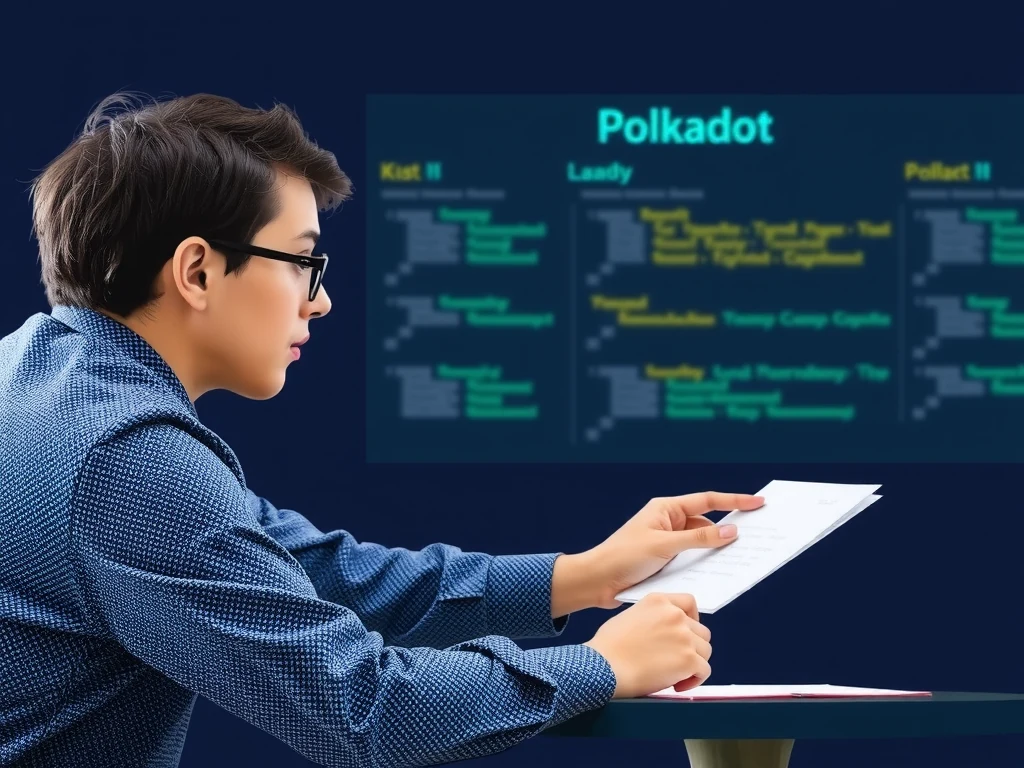
When I interviewed for my first Web3 journalism gig back in 2022, I asked the hiring editor what skills would matter most in five years. 'Learn Rust and Substrate,' they said without hesitation. 'That's where the serious infrastructure work happens.' Three years later, that advice looks increasingly prescient as Polkadot's ecosystem matures and the demand for specialized protocol developers continues to outpace supply.
That memory surfaced when Parity Technologies announced its 2026 Protocol Builders Program. The intensive training initiative—based in Lisbon this year—represents more than another developer bootcamp. It's a strategic investment in the specialized talent required to build at the protocol level, where the real architectural decisions get made.
Program Overview at a Glance
| Feature | 2026 Program Details |
|---|---|
| Location | Lisbon, Portugal |
| Duration | 12 weeks full-time |
| Format | In-person with remote option |
| Focus | Substrate, FRAME, XCM, runtime development |
| Cohort Size | 25 developers |
| Application Deadline | March 15, 2026 |
| Program Start | April 6, 2026 |
| Cost | Fully funded (stipend + accommodation) |
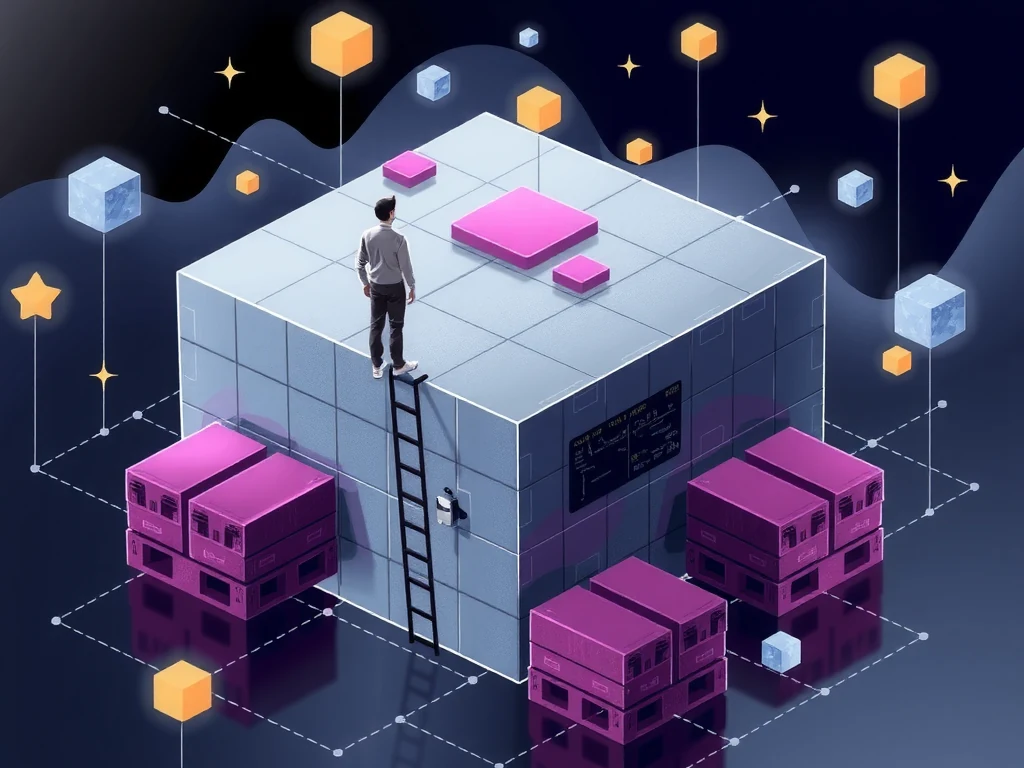
The numbers reveal Parity's commitment: 25 fully-funded positions, three months of intensive training, and a curriculum focused specifically on protocol-level development rather than general smart contract programming. This isn't about teaching developers to deploy dApps—it's about training them to build the infrastructure that makes dApps possible.
The Curriculum: What Actually Gets Taught
The 2026 program structure reflects the evolution of Substrate development since previous cohorts. The curriculum now spans four core modules:

Module 1: Substrate Fundamentals (Weeks 1-3)
Participants start with the foundational architecture—blockchain data structures, consensus mechanisms, and the peer-to-peer networking layer. This isn't theoretical; students build functioning node implementations and debug real networking scenarios.
Module 2: FRAME Development (Weeks 4-6)
The FRAME (Framework for Runtime Aggregation of Modularized Entities) pallet system is where most Substrate development happens. Participants learn to design, implement, and test custom pallets—from simple storage primitives to complex governance mechanisms.
Module 3: XCM and Interoperability (Weeks 7-9)
Cross-chain messaging is Polkadot's distinctive advantage. This module covers XCM (Cross-Consensus Messaging) design patterns, message routing, and the security considerations inherent in cross-chain communication.
Module 4: Production Readiness (Weeks 10-12)
The final module focuses on deployment, testing, and maintenance. Students work with real parachain teams to implement features under production constraints—dealing with upgrade mechanisms, runtime versioning, and economic security considerations.
Comparing Developer Training Programs
| Program | Focus Area | Duration | Cost | Outcome Focus |
|---|---|---|---|---|
| Parity Protocol Builders | Protocol/Substrate | 12 weeks | Fully funded | Infrastructure roles |
| Ethereum EPF | Protocol research | 6 months | Stipend | Research/academic |
| Consensys Academy | Smart contracts | 10 weeks | Paid | dApp development |
| Chainlink Labs | Oracle/DeFi | 12 weeks | Paid | Integration roles |
| Solana Foundation | dApp development | 8 weeks | Grant-based | Application layer |
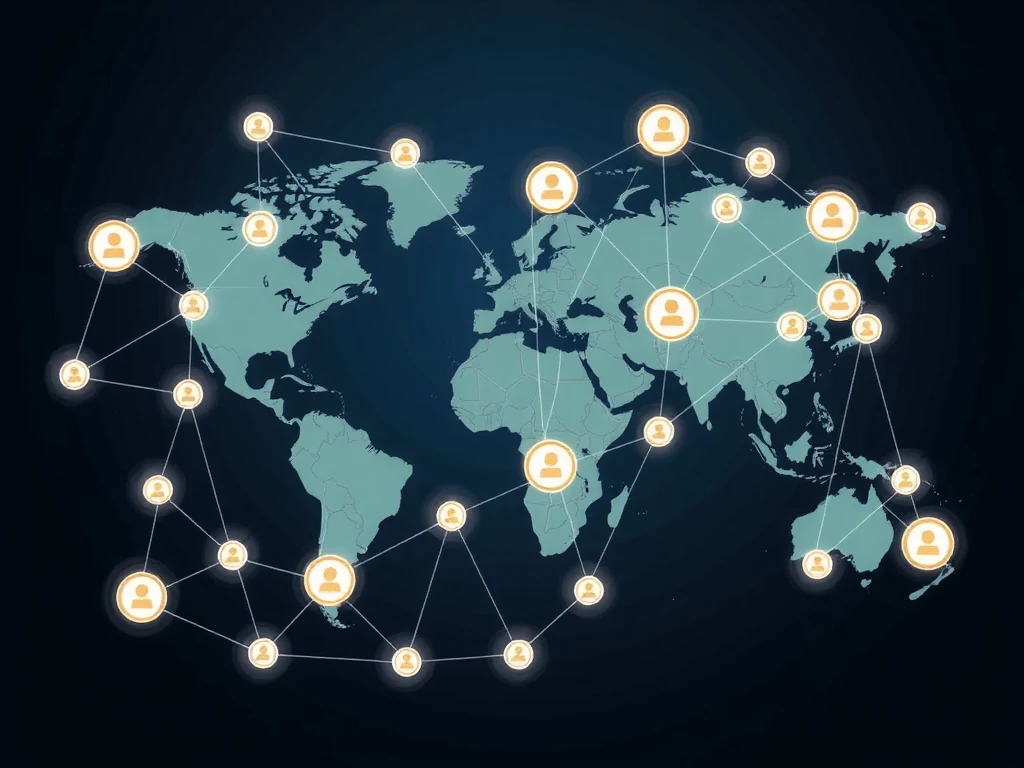
The comparison reveals the Parity program's unique positioning. While most blockchain education focuses on application development (smart contracts, dApps, integrations), the Protocol Builders Program targets the infrastructure layer. Graduates aren't learning to build on existing chains—they're learning to build the chains themselves.
Why Lisbon?
The choice of Lisbon as the 2026 location reflects both practical and strategic considerations. Portugal has emerged as a European hub for Web3 talent, with favorable regulatory frameworks and a growing concentration of blockchain projects. The timezone alignment with European parachain teams and the relatively lower cost of living compared to other major tech hubs make it feasible to run a fully-funded program.
More importantly, Lisbon hosts several established Polkadot ecosystem projects—Astar has significant operations there, and Moonbeam maintains a European presence. This creates natural networking opportunities and potential employment pipelines for program graduates.
The Talent Pipeline Problem
Polkadot faces a genuine challenge: building sophisticated infrastructure requires specialized knowledge that general blockchain education doesn't provide. Substrate and FRAME have learning curves steeper than Solidity or Rust-based smart contract platforms. The result is a talent bottleneck where parachain teams struggle to hire developers with the right combination of systems programming skills and blockchain-specific knowledge.
The Protocol Builders Program addresses this directly. By training developers specifically in Substrate architecture and Polkadot's unique design patterns, Parity is creating a talent pool that parachain teams can draw from. Previous cohorts have seen graduates join projects like Astar, Moonbeam, and Acala, as well as founding their own infrastructure startups.
Application Requirements and Selection Criteria
Getting into the program isn't automatic. Parity lists several prerequisites:
Required Background:
- Proficiency in Rust (the language Substrate is built in)
- Solid understanding of blockchain fundamentals (consensus, cryptography, networking)
- Prior programming experience (typically 2+ years professional or substantial open-source contributions)
- English fluency (the program is conducted in English)
Selection Criteria:
- Technical assessment including Rust coding challenges
- Review of previous projects and code samples
- Interview focused on motivation and long-term goals
- Consideration of underrepresented backgrounds in blockchain development
The technical bar is deliberately high. Parity wants developers who can handle the complexity of protocol development, not just enthusiastic beginners. The assessment focuses on systems thinking—how candidates approach problems involving concurrency, state management, and distributed systems.
The Investment: What Parity Funds
The fully-funded nature of the program removes financial barriers that might otherwise exclude talented developers. The support package includes:
For In-Person Participants:
- Round-trip travel to Lisbon
- Accommodation for the 12-week duration
- Monthly stipend (~€2,500/month for living expenses)
- Workspace access and development hardware if needed
For Remote Participants:
- Monthly stipend at adjusted cost-of-living rate
- Hardware/equipment allowance
- Travel stipend for one in-person meetup
The total investment per participant likely exceeds €15,000 when travel, accommodation, and instruction costs are factored. For a cohort of 25, that's a €375,000+ commitment—significant even for a well-funded organization like Parity.
Strategic Implications for the Ecosystem
The Protocol Builders Program serves multiple ecosystem objectives:
Talent Distribution: By training developers who aren't already committed to specific parachain teams, Parity creates a neutral talent pool that benefits the entire ecosystem. Graduates choose where to apply their skills based on project merits rather than pre-existing affiliations.
Knowledge Standardization: The program establishes common practices and design patterns across the Substrate ecosystem. When developers from different parachains share the same training background, interoperability becomes easier to achieve.
Innovation Pipeline: Several previous graduates have gone on to build novel infrastructure projects—tooling, testing frameworks, and developer resources that benefit the broader ecosystem.
Succession Planning: As the original Polkadot developers move into more strategic roles, the program ensures a pipeline of trained developers who understand the protocol's architecture deeply enough to maintain and evolve it.
Risks and Limitations
The program isn't without challenges:
Geographic Limitations: Lisbon's timezone and visa requirements may exclude qualified developers from certain regions. The remote option helps but can't fully replicate the collaborative intensity of in-person cohort learning.
Opportunity Cost: Three months of full-time training represents a significant career pause. Developers already established in traditional tech roles may find the commitment difficult to justify.
Market Timing: The 2026 cohort begins during a period of uncertainty in crypto markets. If the bear market persists, job opportunities for graduates may be scarcer than in previous years.
Specialization Risk: Substrate expertise is valuable within the Polkadot ecosystem but has limited transferability to other blockchain platforms. Developers betting on Polkadot's success are making a more concentrated career bet than those learning EVM development.
Who Should Apply
Strong Fit:
- Systems programmers with Rust experience interested in blockchain infrastructure
- Developers at parachain teams looking to deepen their protocol knowledge
- Engineers from traditional distributed systems backgrounds wanting to enter Web3
- Open-source contributors already working on Substrate-adjacent projects
Consider Alternatives:
- Those primarily interested in DeFi application development (Solidity/Vyper programs better)
- Developers seeking immediate employment without the training gap
- Those requiring location flexibility beyond what the remote track offers
- Individuals without substantial prior programming experience
TL;DR
- What: Parity's 2026 Protocol Builders Program offers 12 weeks of intensive, fully-funded training in Substrate, FRAME, and XCM development in Lisbon
- Why: Addresses the talent bottleneck for protocol-level Polkadot developers; creates pipeline of infrastructure-specialized engineers
- Impact: Previous cohorts have joined major parachain teams and founded infrastructure projects; represents €375K+ investment for 25 developers
- Use When: You have Rust experience, systems programming background, and want to build blockchain infrastructure rather than applications
- Consider Alternatives: For application-focused development (Consensys, Solana programs), research orientation (Ethereum EPF), or if location flexibility is critical
- Watch: Application deadline March 15, 2026; program starts April 6; Lisbon-based with remote option available
Sources
- Parity Technologies Official Blog - Protocol Builders Program 2026 Announcement
- Polkadot Developer Documentation
- Substrate Developer Hub
- FRAME Documentation
- XCM Documentation
- Previous Cohort Outcomes - Parity Reports
Gemma Nguyen is TotesTek's Content Lead and Journalist, covering blockchain infrastructure, developer ecosystems, and the evolution of Web3 technology.
Related Posts
-

Startale's September Harvest: How STAR Points Are Building a Loyalty Layer for Polkadot
I have a drawer full of loyalty cards from coffee shops, airlines, and grocery stores. None of them talk to each other, and most of the points expire before I remember to use them. When Startale announced its September Harvest campaign offering up to 200 STAR Points, I recognized
-

Soneium and DayOneDream Partner to Bring K-Pop IP Onchain as Tokenized Assets
I still remember the first time I tried to buy a limited-edition K-Pop photocard from a resale marketplace. The listing looked legitimate, the seller had decent ratings, and the price was only slightly above retail. Three weeks later, I received a package containing a convincing
-
peaq Upgrades Tokenomics with peaq Economics 2.0 to Set Machines Free
The machine economy has always faced a fundamental coordination problem. Billions of devices generate data, execute tasks, and create value, yet the economic infrastructure connecting them remains fragmented. When peaq published Economics 2.0 on July 30, 2026, it wasn't merely ad
-

Understanding Stablecoins: Real-World Use Cases, Benefits, and Risks in 2026
I met Luca at a crypto conference in Lisbon three years ago. He told me he had been in the market since 2013, bought Bitcoin near the top in 2017, watched it drop 80%, and stayed anyway. What kept him in was not conviction alone. It was stablecoins. "I could park value without le