

White House Executive Order Integrates Digital Assets into Traditional Financial Services Framework
President Trump signs executive order directing federal agencies to integrate digital assets into traditional financial services, eliminating regulatory barriers and validating Bitcoin at the highest level of American government.

The executive order arrived with the presidential signature that marks policy moments which reshape industry landscapes. When President Trump signed the directive commanding federal agencies to update regulations and permit the integration of digital assets into traditional financial services, the decision marked more than administrative housekeeping—it represented the most significant federal embrace of cryptocurrency since the industry's inception.
For banks that have operated under restrictive guidance requiring supervisory approval before engaging with digital assets, this is liberation. For cryptocurrency companies seeking banking relationships, this signals the end of regulatory exclusion. For Bitcoin holders, this represents institutional validation at the highest level of American government.
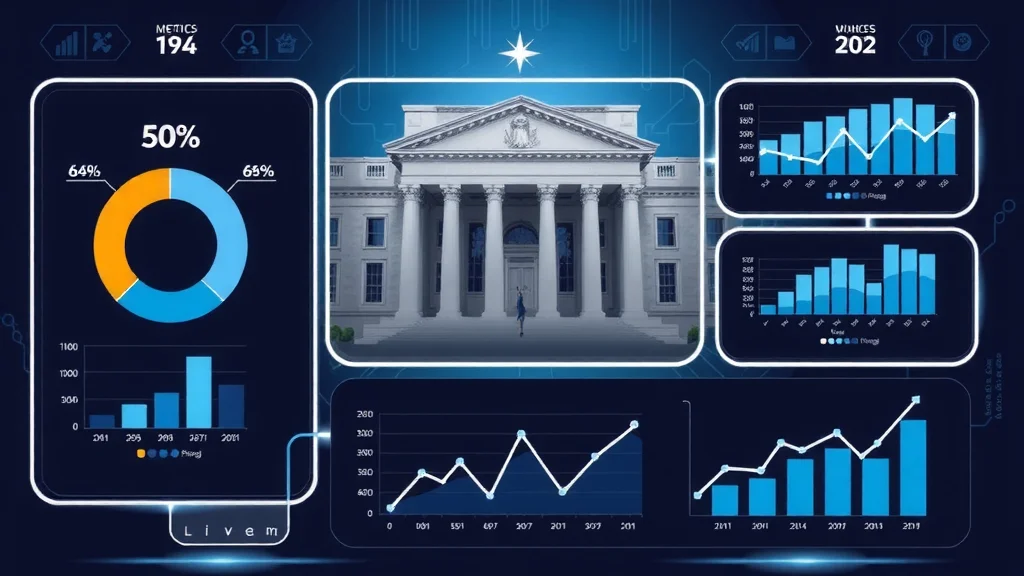
Key Metrics at a Glance
| Metric | Detail | Impact |
|---|---|---|
| Issuer | President Trump | Executive authority |
| Scope | All federal agencies | Government-wide |
| Timeline | 180 days for implementation | Expedited process |
| Coverage | Digital assets, payment systems, fintech | Comprehensive integration |
| Agencies | Treasury, SEC, CFTC, Fed, OCC, FDIC | Full regulatory stack |
| Bitcoin | Explicitly included | Institutional validation |
What the Executive Order Actually Does
The executive order directs federal agencies to identify and eliminate regulatory barriers preventing the integration of digital assets into traditional financial services. The specific mandates include:
Regulatory Modernization:
- Review all existing guidance restricting digital asset banking activities
- Eliminate requirements for prior supervisory approval for crypto services
- Update payment system regulations to accommodate digital assets
- Clarify jurisdictional boundaries between regulatory agencies
Banking Integration:
- Permit banks to custody digital assets without special licensing
- Allow payment processors to handle digital asset transactions
- Enable stablecoin issuance through standard banking channels
- Facilitate securities settlement using blockchain technology
Market Structure:
- Establish clear frameworks for digital asset securities
- Define custody standards for institutional Bitcoin holdings
- Create pathways for federal payment system integration
- Support innovation in decentralized finance infrastructure
The order does not create new law—it directs agencies to use existing authority to modernize regulations. Congressional action would still be required for comprehensive statutory reform.

The Implementation Framework
Federal agencies face a 180-day deadline to complete regulatory reviews and implement changes:
- Treasury Department: Coordinate interagency implementation; update FinCEN guidance
- SEC: Clarify securities framework for digital assets; update custody rules
- CFTC: Define commodities treatment for Bitcoin and Ethereum
- Federal Reserve: Update payment system access for digital asset companies
- OCC: Modernize national bank charter requirements for crypto activities
- FDIC: Clarify deposit insurance treatment for digital asset accounts
The order establishes a White House Digital Assets Working Group to coordinate implementation and resolve interagency disputes. This centralizes cryptocurrency policy oversight at the presidential level rather than leaving it fragmented across independent agencies.
Market Structure Implications
This executive order accelerates the integration of cryptocurrency into mainstream financial infrastructure at a pace that would have seemed impossible under previous administrations.
For Traditional Finance, this removes regulatory uncertainty that has kept major banks at arm's length from digital assets. Institutions can now develop Bitcoin custody, trading, and lending services through standard business processes rather than navigating conditional approval gauntlets.
For Cryptocurrency Companies, this validates business models that have operated in regulatory gray zones. Exchanges, custodians, and DeFi protocols now have clearer pathways to banking relationships and regulatory compliance.
For International Competitiveness, this positions the United States to lead in digital asset innovation rather than ceding ground to jurisdictions with clearer regulatory frameworks. The order explicitly mentions maintaining American leadership in financial technology.
For Consumers, this promises easier access to Bitcoin and other digital assets through existing banking relationships—potentially making cryptocurrency as accessible as foreign exchange or precious metals trading.
The Bitcoin Connection
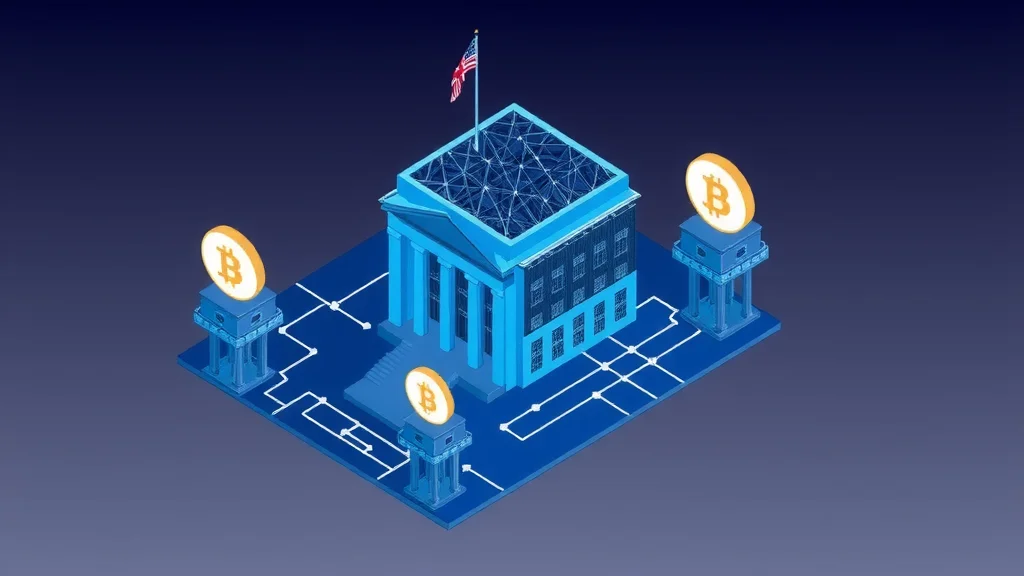
While the executive order covers all digital assets, its implications for Bitcoin are particularly significant. Bitcoin is explicitly mentioned as the primary digital asset warranting institutional integration.
The order directs agencies to:
- Recognize Bitcoin as a commodity under CFTC jurisdiction
- Permit bank custody of Bitcoin without special licensing requirements
- Enable ETF structures for Bitcoin investment products
- Support Bitcoin in payment systems through clearing and settlement modernization
This is federal validation that extends beyond regulatory tolerance to active integration. Bitcoin is being treated as a legitimate financial asset appropriate for traditional market infrastructure.
For Bitcoin holders, the practical implications include:
- Bank custody options becoming widely available
- Investment advisor access through standard brokerage platforms
- 401(k) and IRA inclusion as regulated investment options
- Payment integration via banking channels
Analysis: Presidential Leadership on Digital Assets
This executive order represents a fundamental shift in federal approach to cryptocurrency. Previous administrations treated digital assets as a regulatory problem requiring restriction; this administration treats them as an innovation opportunity requiring integration.
The order's significance extends beyond specific regulatory changes to the signal it sends: cryptocurrency is now officially part of America's financial future. The federal government is not merely permitting digital assets—it is actively working to integrate them into traditional financial infrastructure.
For Bitcoin skeptics, this is institutional capture—the absorption of decentralized technology into centralized financial systems. The risk is that Bitcoin's censorship resistance and monetary independence could be compromised by banking integration.
For Bitcoin advocates, this is maturation—the development of market infrastructure that enables mainstream adoption without requiring users to abandon traditional financial relationships. The opportunity is that Bitcoin's hardest properties remain intact while its accessibility expands.
Both perspectives contain truth. The executive order will not change Bitcoin's protocol, its 21 million supply cap, or its decentralized consensus. But it will change how Bitcoin is held, traded, and used by Americans. That matters for adoption even if it does not matter for Bitcoin's fundamental value proposition.
TL;DR
- What: President Trump signs executive order directing federal agencies to integrate digital assets into traditional financial services
- Why: Eliminate regulatory barriers; modernize payment systems; maintain American financial leadership
- Impact: Banks can custody Bitcoin without special approval; cryptocurrency companies gain banking access; consumers get easier Bitcoin investment options
- Timeline: 180 days for agency implementation; immediate effect on regulatory interpretation
- Watch: Treasury guidance updates, SEC custody rule changes, Federal Reserve payment system access, banking product launches, institutional Bitcoin adoption metrics
Sources
- White House Executive Order on Digital Assets
- Treasury Department Implementation Guidance
- SEC Statement on Digital Asset Integration
- Federal Reserve Payment System Modernization
- OCC Charter Modernization Guidance
Filip Peshko is Senior Opinion Columnist & Blockchain Technology Analyst at TotesTek. He writes about Bitcoin, blockchain technology, crypto markets, Web3 infrastructure, digital asset custody, institutional adoption, and legislation affecting the crypto industry.
Related Posts
-

When Terror Meets Blockchain: What the DOJ's Hamas Crypto Seizures Actually Reveal
In 2021, a colleague asked me whether cryptocurrency would become the primary financing tool for groups operating outside the traditional banking system. My answer then was cautious: the technology enables borderless transfers, but it also creates permanent records. Three years l
-

DOJ Strike Force Hits $938 Million in Seized Scam Crypto After $52 Million Xinbi Guarantee Takedown
The Department of Justice announced this week that its Scam Center Strike Force restrained approximately $52 million in cryptocurrency in a single day of coordinated action against the Xinbi Guarantee marketplace, a Chinese-language Telegram-based platform that functioned as an i
-

The U.S. and UK Just Formed an Unprecedented Alliance Against Crypto Scam Centers
International law enforcement cooperation has always moved slowly. Extradition treaties take years to negotiate. Evidence sharing across borders requires diplomatic channels that bureaucracies tend to clog. And when the criminals operate from fortified compounds in Southeast Asia
-

DOJ Seizes Fake Crypto Domain From Burma Scam Compound: A Small Victory in a Larger War
The email arrived last Thursday from a reader in San Diego who had lost $340,000 to what she thought was a cryptocurrency investment platform. She had been contacted through a dating app, moved to WhatsApp, and gradually convinced to deposit funds into a trading website that show