

Parity Playground .dot Brings 190 Developers to Build on Polkadot at Web3 Summit 2026
Parity Technologies hosted Playground .dot at Web3 Summit 2026, bringing together 190 developers to build innovative applications on Polkadot, showcasing the ecosystem's growing developer community and technical capabilities.
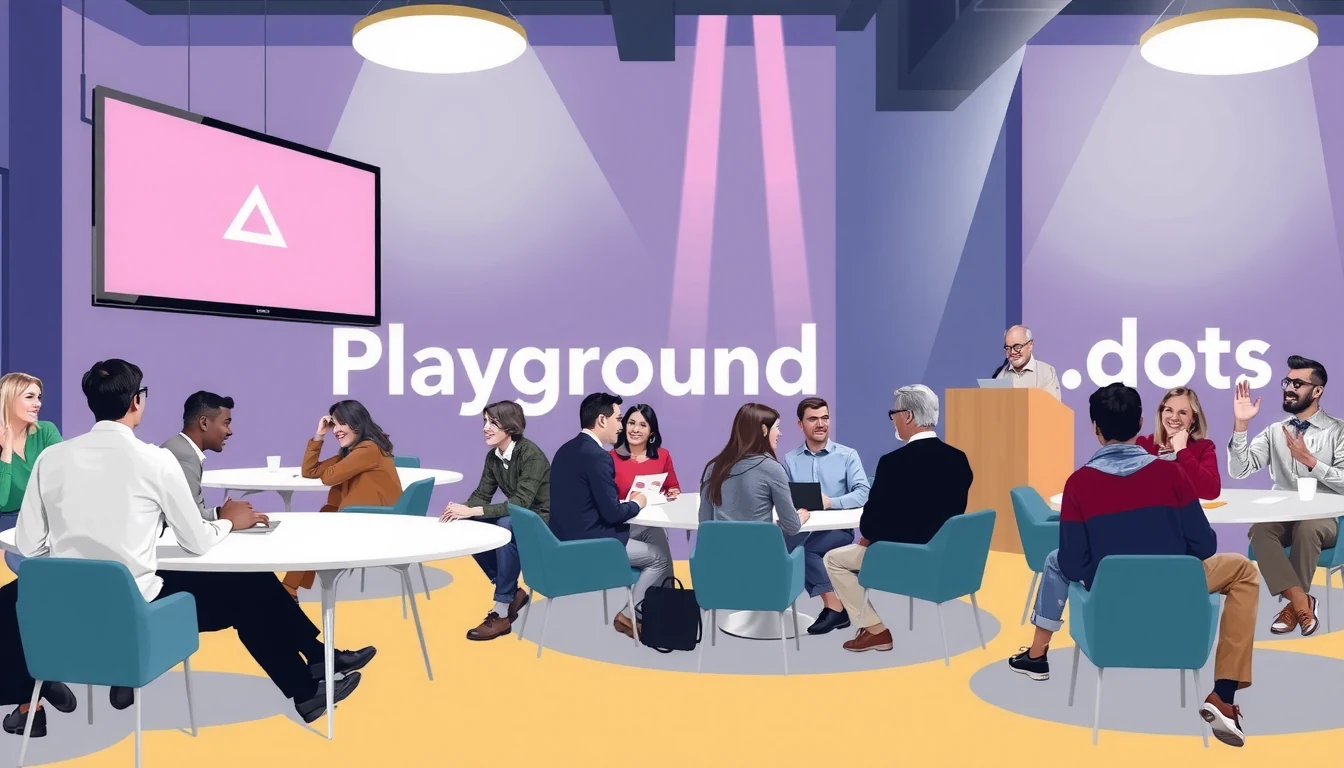
Parity Technologies hosted Playground .dot at Web3 Summit 2026, bringing together 190 developers to build innovative applications on Polkadot. The event showcased the ecosystem's growing developer community and highlighted the technical capabilities that differentiate Polkadot from competing blockchain platforms.
I've attended dozens of developer-focused blockchain events over the years, and what struck me about Playground .dot was the genuine technical depth rather than marketing gloss. Developers arrived with laptops, left with working prototypes, and engaged in substantive technical discussions rather than token speculation.
Key Metrics at a Glance
| Metric | Value |
|---|---|
| Participants | 190 developers |
| Event | Web3 Summit 2026 |
| Host | Parity Technologies |
| Focus | Polkadot application development |
| Output | Working prototypes and tools |
| Community | Active ecosystem growth |
The Playground .dot Format
Playground .dot represents a specific type of developer engagement that Parity has refined over multiple iterations:
Hands-On Building: Unlike conference presentations where attendees passively listen, Playground .dot emphasizes active coding. Developers spend the majority of the event writing, debugging, and deploying code.
Mentorship Structure: Experienced Polkadot developers serve as mentors, providing technical guidance without doing the work for participants. This creates knowledge transfer while maintaining learning value.
Realistic Challenges: Hackathon-style challenges reflect actual ecosystem needs rather than artificial exercises. Winning projects often evolve into production applications.
Technical Focus: The event explicitly prioritizes technical substance over promotional content. Marketing presentations are minimal; documentation and tooling support are extensive.
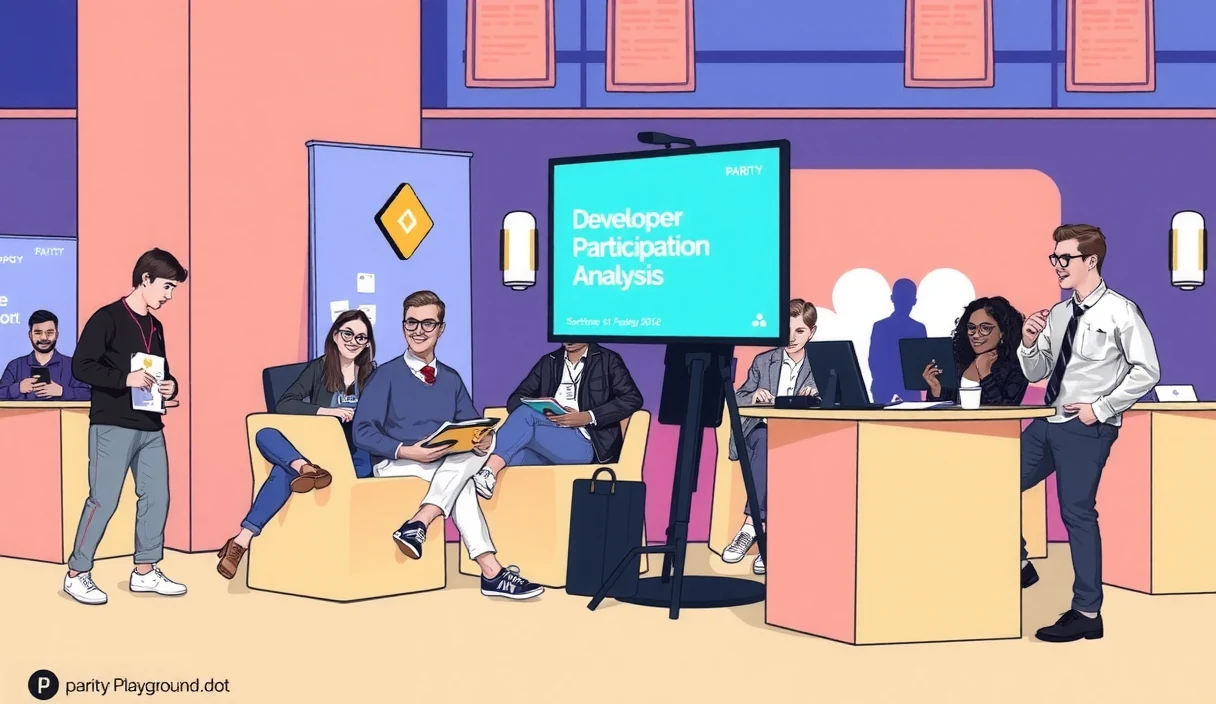
Developer Participation Analysis
The 190 developer attendance figure reveals several ecosystem dynamics:
Quality Concentration: 190 developers represents a focused, technically competent group rather than a mass audience of speculators. Quality of participation matters more than raw numbers.
Geographic Distribution: Web3 Summit attracts international participants. Playground .dot leverages this global concentration for face-to-face collaboration that distributed development often lacks.
Experience Levels: Events like this typically attract a mix—experienced Polkadot developers deepening expertise, newcomers exploring the ecosystem, and developers from other chains evaluating Polkadot.
Retention Indicators: Events serve as onboarding ramps. Developers who build something functional during Playground .dot often continue contributing afterward, making attendance a leading indicator of ecosystem growth.
Technical Showcases
Playground .dot highlighted several technical areas:
Substrate Development: Participants built custom pallets and runtime modules, demonstrating Substrate's flexibility as a blockchain development framework. The hands-on format proved particularly valuable for developers new to Rust-based blockchain development.
Cross-Chain Messaging (XCM): Multiple teams built applications leveraging Polkadot's native interoperability. XCM complexity requires practical experimentation to master, making events like this essential for developer education.
Smart Contract Platforms: Development on Ink! (WASM-based) and Solidity (via Frontier/EVM compatibility) showed Polkadot's multi-virtual-machine approach in practice.
Parachain Integration: Teams experimented with connecting to existing parachains and building mock parachain logic, gaining practical understanding of Polkadot's architecture.
Ecosystem Impact
Developer events like Playground .dot serve multiple ecosystem functions:
Talent Pipeline: Identifying and nurturing developers who will build the next generation of Polkadot applications. Personal connections formed at events sustain long-term collaboration.
Feedback Collection: Direct developer interaction provides unfiltered feedback on documentation quality, tooling gaps, and technical pain points. This informs Parity's development priorities.
Community Cohesion: Distributed ecosystems risk fragmentation. In-person events strengthen social bonds and shared identity that sustain collaboration between events.
Competitive Signaling: Active developer events signal ecosystem health to investors, partners, and potential contributors. Perception matters for adoption.

Competitive Context
Other blockchain ecosystems run similar developer programs:
Ethereum Foundation Events: ETHGlobal hackathons attract larger numbers but face criticism for speculative focus. Playground .dot's smaller format enables deeper technical engagement.
Solana Grizzlython: Well-funded with substantial prizes, attracting developers through financial incentives. Parity's approach emphasizes technical learning over prize hunting.
Cosmos Hackathons: Focus on interchain applications. Polkadot's shared security model creates different development patterns than Cosmos' sovereign chains.
Aptos/Sui Move Events: Emerging ecosystems with novel programming languages. Playground .dot competes for developer mindshare against these well-funded alternatives.
Polkadot's Differentiation: Substrate's general-purpose framework and Polkadot's shared security create distinct development experience. Events showcase these technical differentiators.
Challenges and Considerations
Developer events face inherent challenges:
Sustainability: Running quality events requires significant resources—venue, staffing, tooling infrastructure. Maintaining frequency without quality degradation proves difficult.
Inclusivity: In-person events inherently exclude developers unable to travel due to financial, geographic, or visa constraints. Hybrid formats address this but add complexity.
Follow-Through: Building prototypes during events differs from sustained development. Many hackathon projects stall after initial excitement fades.
Metric Quality: Developer event attendance measures interest, not necessarily productivity. 190 attendees who produce little code matter less than 50 who ship production applications.
The Broader Developer Landscape
Playground .dot exists within evolving blockchain developer trends:
Developer Experience Focus: Blockchain platforms increasingly compete on developer experience—documentation, tooling, debugging support. Events reveal where platforms stand.
Multi-Chain Developers: Experienced developers often work across multiple ecosystems. Events that create positive impressions influence which platforms receive attention.
Professionalization: Early blockchain development was hobbyist-driven. Now professional developers expect enterprise-grade tooling and support. Events must meet these expectations.
Remote Collaboration: Post-pandemic, distributed teams are normalized. Events provide intensive collaboration periods that complement ongoing remote work.
TL;DR
- What: Parity's Playground .dot at Web3 Summit 2026 brought 190 developers to build on Polkadot
- How: Hands-on coding event with mentorship, realistic challenges, and technical focus
- Edge: Emphasizes substance over marketing; quality participation over mass attendance
- Impact: Talent pipeline, feedback collection, community cohesion, competitive signaling
- Context: Smaller format than major hackathons but enables deeper technical engagement
Sources
- Parity Technologies Official Blog (Event coverage) - PRIMARY SOURCE
- Web3 Summit 2026 (Event context)
- Polkadot Developer Documentation (Technical resources)
- Substrate Developer Hub (Framework information)
- Developer Ecosystem Analysis (Industry benchmarks)
Gemma Nguyen is Totestek's Developer Ecosystem Correspondent. She writes about blockchain developer communities, hackathons, and the events driving technical innovation.
Related Posts
-

How to Bridge to Soneium with Startale App: A Step-by-Step Guide for the Sony-Backed L2
I remember when bridging assets felt like defusing a bomb. Copy an address, triple-check the network, pray the transaction doesn't get stuck, and hope you didn't just send funds to a chain that doesn't exist anymore. The Startale App changes that calculus entirely—especially if y
-

Unique Network's October 2026 Highlights: WUD Universe, Quartz Transition, and Global Expansion
Unique Network marks a pivotal month with the launch of WUD Universe, the strategic Quartz chain transition, and rapid expansion into Nigeria, Singapore, and Argentina.
-
Hydration's October Surge: Zcash Integration, Wormhole Connectivity, and the Fight Against Delisting
Hydration transforms into a cross-chain DeFi hub with native Wormhole connectivity and Zcash integration. From two-second block times to the fight against Kraken delisting, discover how the Polkadot Omnipool is evolving.
-
First Returns From the Token Gateway Exploit: Hyperbridge's Recovery Playbook Offers a Template for DeFi Incident Response
Hyperbridge has received the first voluntary return of funds following its Token Gateway exploit. Discover how their unique no-questions-asked recovery playbook is providing a new template for DeFi incident response.