

Hydration's October Surge: Zcash Integration, Wormhole Connectivity, and the Fight Against Delisting
Hydration (HDX), the Polkadot Omnipool AMM, has rolled out major October 2026 updates: native Wormhole cross-chain connectivity enabling asset transfers to Ethereum, Solana, and Sui; reduced block times to 2 seconds; Zcash integration for instant swaps, limit orders, and DCA with lending markets coming soon; and an active appeal against Kraken's delisting decision. Meanwhile, the GIGAHDX staking migration and HOLLAR bond tranches are reshaping the protocol's yield landscape, transforming Hydration from a Polkadot-only venue into a cross-chain, privacy-enabled DeFi hub.

I have been watching Hydration for a while now, and October 2026 felt like the month when a lot of pieces finally clicked into place. The Polkadot Omnipool has been quietly building infrastructure that most DeFi users haven't fully appreciated—until now. When the team announced native Wormhole connectivity, dropped block times to two seconds, and rolled out Zcash integration all in the same month, it was hard not to sit up and take notice. Then came the news that Kraken was moving to delist HDX, and suddenly this wasn't just a tech story anymore. It became a test of whether solid fundamentals could survive exchange politics.
Hydration sits at an interesting intersection in the Polkadot ecosystem. It combines an Omnipool AMM—where all assets share a single liquidity pool—with lending markets, staking derivatives, and now cross-chain connectivity. The October updates touch every one of those layers, and the delisting drama adds a layer of real-world tension that pure protocol updates rarely achieve.
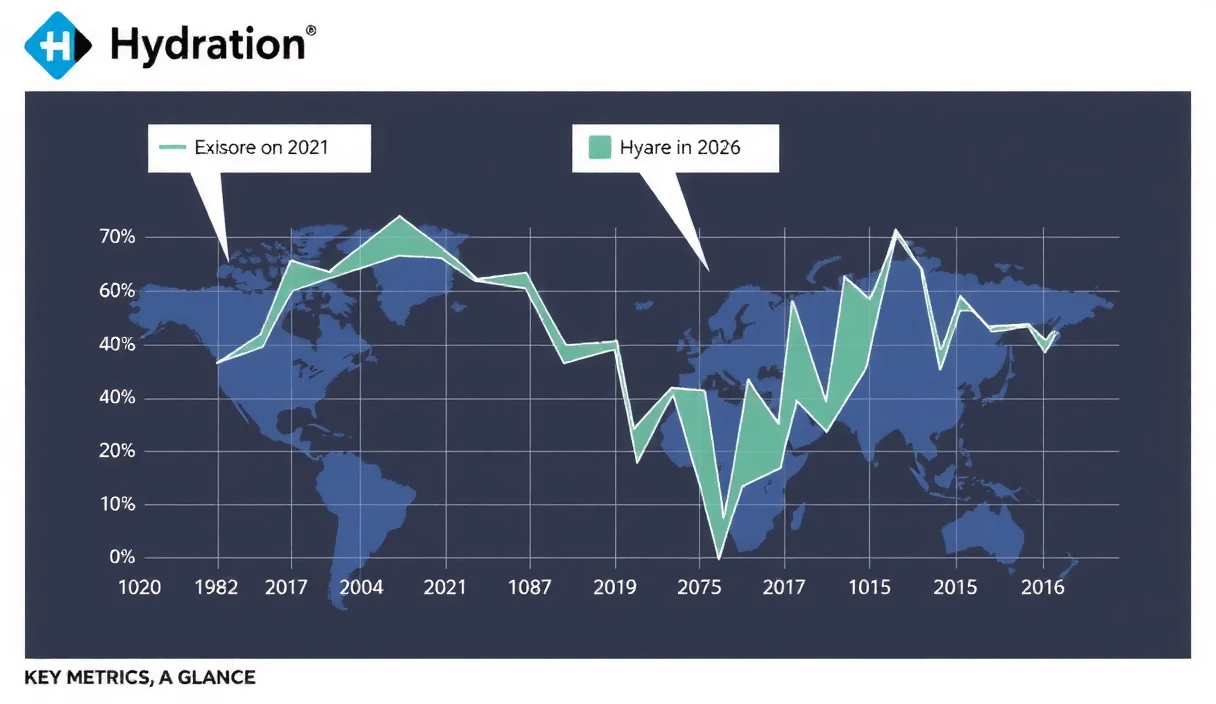
Key Metrics at a Glance
| Metric | Value |
|---|---|
| Block Time | 2 seconds (reduced from previous) |
| Cross-Chain Reach | Native Wormhole integration |
| New Asset Integration | Zcash (ZEC) — swaps, limit orders, DCA |
| Lending Markets | ZEC lending/borrowing (upcoming) |
| Staking Derivative | GIGAHDX (migration in progress) |
| Stablecoin Yield | HOLLAR bond tranches |
| Exchange Status | Kraken delisting appeal active |
| Ecosystem | Polkadot parachain |
| Core Innovation | Omnipool AMM (shared liquidity) |
The Omnipool Advantage: Why Hydration Is Different
Most AMMs force liquidity providers to choose between pools. If you provide liquidity to the HDX/USDC pool, you are not earning fees from HDX/DOT trades. Hydration's Omnipool flips that model. Every asset shares a single liquidity pool, which means liquidity providers earn fees from all trading pairs simultaneously, and traders get better prices because capital is not fragmented across dozens of separate pools.
This sounds simple, but the implementation is not. The Omnipool requires sophisticated risk management to handle the fact that one asset's volatility affects the entire pool. Hydration has spent years refining this model, and the October updates suggest the protocol is maturing from an experiment into infrastructure that can handle serious volume.
Zcash Integration: Privacy Meets DeFi
The Zcash integration is the headline feature of October. Hydration users can now swap ZEC instantly, place limit orders, and set up dollar-cost averaging strategies—all within the Polkadot ecosystem. But the more interesting part is what comes next: dedicated lending and borrowing markets for ZEC.
This matters because Zcash has historically lived in its own silo. Bringing shielded assets into a major DeFi protocol creates new possibilities: private collateral, private borrowing, and private yield generation. For users who value financial privacy, this is a significant step forward. For Hydration, it is a bet that privacy-focused users will migrate to Polkadot for better DeFi infrastructure.
The integration also highlights a broader trend in DeFi. Privacy is no longer a niche concern. As regulatory scrutiny increases, the ability to transact and earn yield without exposing full financial history becomes more valuable. Hydration is positioning itself early in that trend.
Wormhole and Two-Second Blocks: Infrastructure Gets Faster
Native Wormhole connectivity means Hydration can now move assets and messages to and from Ethereum, Solana, Sui, and other connected chains without relying on third-party bridges. This reduces counterparty risk and expands the addressable liquidity for Hydration's Omnipool.
The reduction to two-second block times is less glamorous but equally important. Faster blocks mean faster confirmations, tighter spreads, and a better user experience for traders and arbitrageurs. In DeFi, latency is alpha, and shaving seconds off block times directly improves capital efficiency.
Together, Wormhole and faster blocks transform Hydration from a Polkadot-only venue into a cross-chain hub. Liquidity can flow in from Ethereum and Solana, trade against Polkadot assets in the Omnipool, and flow back out—all within the same transaction flow.
The Kraken Delisting: Fundamentals vs. Exchange Politics
Then there is the Kraken situation. The exchange announced plans to delist HDX, and the Hydration team responded with an appeal, citing high trading volume and improving on-chain liquidity. This is a familiar story in crypto—exchanges make listing decisions based on their own criteria, and projects with solid fundamentals sometimes get caught in the crossfire.
What makes this interesting is the timing. Hydration is delisting-proof in a practical sense: the protocol does not depend on centralized exchange listings to function. Users can trade HDX on decentralized exchanges within the Polkadot ecosystem, and the new Wormhole integration will expand those options further. The delisting appeal is partly about maintaining fiat on-ramps, but it is also about sending a signal: Hydration's value is in the protocol, not the ticker.
The team's argument about "improving on-chain liquidity" is worth examining. Omnipool AMMs can show different liquidity patterns than traditional AMMs. Because all assets share one pool, the depth available for any given pair depends on the total pool size, not a single pair's allocation. If Hydration's total value locked is growing, every trading pair benefits—including HDX pairs.

GIGAHDX and HOLLAR: Redefining Yield in Polkadot
Beneath the headlines, Hydration is also restructuring its yield mechanisms. The GIGAHDX staking migration is moving users from the old staking model to a new one, presumably with better capital efficiency or governance integration. Meanwhile, HOLLAR bond tranches are introducing fixed-income products into the Omnipool.
HOLLAR is Hydration's over-collateralized stablecoin, and the bond tranches allow users to lock HOLLAR for fixed yields. This is a significant innovation for DeFi: most stablecoin yields are variable and dependent on borrowing demand. Fixed-rate tranches give users predictable returns and give Hydration a more stable liability structure.
The GIGAHDX migration is more mechanical but no less important. Staking derivatives need to evolve as the underlying protocol matures, and smooth migrations prevent the kind of liquidity fragmentation that kills DeFi projects.
Competitive Landscape: Hydration vs. Other Polkadot DeFi
Hydration operates in a competitive space. Other Polkadot parachains offer AMMs, lending, and staking derivatives, each with different trade-offs. Understanding where Hydration fits helps users decide whether to allocate capital there.
| Protocol | Type | TVL Focus | Key Differentiator | Cross-Chain | Privacy Features |
|---|---|---|---|---|---|
| Hydration | Omnipool AMM + Lending | Unified pool | Single-pool capital efficiency | Wormhole native | Zcash integration |
| StellaSwap | Multi-AMM aggregator | Multiple pools | Aggregates across Moonbeam | Bridge-dependent | None native |
| Beamswap | AMM + yield farming | Multiple pools | Native Moonbeam ecosystem | Bridge-dependent | None native |
| Zenlink | Cross-chain DEX | Multiple pools | Polkadot/Kusama native | Parachain-native | None native |
| Acala | DeFi hub (Karura/Acala) | Multiple pools | Stablecoin (aUSD) + liquid staking | Cross-chain | None native |
Hydration's Omnipool is genuinely differentiated. No other major Polkadot protocol offers shared liquidity across all assets. The trade-off is complexity: Omnipools require more sophisticated risk management, and the UX is less familiar to users accustomed to Uniswap-style pools.
The Zcash integration gives Hydration a unique position in the privacy narrative. Acala has aUSD, StellaSwap has yield farming, but none have native privacy asset integration. If privacy becomes a larger narrative in DeFi, Hydration is well-positioned.
What This Means for Users
If you are a Polkadot DeFi user, Hydration's October updates create several new opportunities:
For Traders: The Omnipool offers better prices on HDX pairs due to unified liquidity. Wormhole connectivity means you can arb between Hydration and Ethereum/Solana venues. Two-second blocks reduce frontrunning risk compared to slower chains.
For Liquidity Providers: The Omnipool model means your capital works across all pairs simultaneously. The risk is that your exposure is to the entire pool, not just one pair. The GIGAHDX migration may offer better staking rewards for governance participants.
For Privacy-Conscious Users: Zcash integration lets you trade and (soon) borrow with shielded assets. This is unique in the Polkadot ecosystem and worth exploring if privacy is a priority.
For Yield Seekers: HOLLAR bond tranches offer fixed rates. This is different from variable lending yields and may suit users who want predictable returns.
The Risks: What Could Go Wrong
No protocol update is risk-free. The Kraken delisting, if it proceeds, will reduce fiat on-ramps and may depress HDX price in the short term. The Omnipool model concentrates risk: a major exploit or oracle failure could affect all assets simultaneously rather than being isolated to one pool.
The Zcash integration brings regulatory complexity. Privacy coins face scrutiny, and exchanges may be reluctant to list protocols with significant privacy asset exposure. Hydration's delisting appeal may become more complicated if ZEC trading volume grows.
The GIGAHDX migration, if poorly executed, could fragment staking liquidity and reduce governance participation. And HOLLAR's stability depends on over-collateralization discipline—if the underlying collateral depegs, the bond tranches could face stress.
TL;DR
- What: Hydration (HDX) deployed major October 2026 updates: Zcash integration, native Wormhole cross-chain connectivity, 2-second block times, and an active Kraken delisting appeal
- Why: The updates transform Hydration from a Polkadot-only AMM into a cross-chain, privacy-enabled DeFi hub with unified liquidity
- Key Innovation: Omnipool AMM shares liquidity across all assets; ZEC integration enables private swaps, limit orders, and DCA with lending/borrowing coming soon
- Yield: GIGAHDX staking migration and HOLLAR bond tranches introduce fixed-rate yield products
- Risk: Kraken delisting could reduce fiat access; Omnipool concentrates systemic risk; Zcash integration may attract regulatory scrutiny
- Watch: Delisting appeal outcome, ZEC lending market launch, GIGAHDX migration completion, HOLLAR tranche performance, Wormhole volume growth
Sources
- Hydration Protocol — Official Documentation
- Hydration Blog
- Wormhole Documentation
- Zcash Official Site
- Polkadot DeFi Ecosystem Overview
- Kraken Help Center — Delisting Policies
Gemma Nguyen is TotesTek's Content Lead & Journalist, covering cryptocurrency, Web3, DeFi, blockchain technology, and emerging tech trends. She blends practical insight with editorial rigor, grounding stories in evidence rather than speculation.
Related Posts
-

Unique Network's October 2026 Highlights: WUD Universe, Quartz Transition, and Global Expansion
Unique Network marks a pivotal month with the launch of WUD Universe, the strategic Quartz chain transition, and rapid expansion into Nigeria, Singapore, and Argentina.
-

First Returns From the Token Gateway Exploit: Hyperbridge's Recovery Playbook Offers a Template for DeFi Incident Response
Hyperbridge has received the first voluntary return of funds following its Token Gateway exploit. Discover how their unique no-questions-asked recovery playbook is providing a new template for DeFi incident response.
-

Fearless Wallet Browser Extension Leaked Private Keys: What Polkadot Users Must Do Now
A critical security breach in the Fearless Wallet browser extension leaked private keys for over 20 months. Find out if your Polkadot assets are at risk and the immediate steps you must take to secure your funds.
-

Hyperbridge's Economic Engine: How $BRIDGE Rewards Secure Cross-Chain Messaging
Hyperbridge is redefining cross-chain security with a dual-incentive system for relayers. Discover how its $BRIDGE tokenomics and relayer-to-collator career path create a sustainable economic engine for interoperability.