

Virtuals and peaq Bring Agent Commerce to Robots and Machines
I watched a Unitree G1 humanoid pause mid-shift in a warehouse last month, its sensors detecting a shelf that looked slightly off-spec. It needed to know whether that shelf could hold the next pallet.
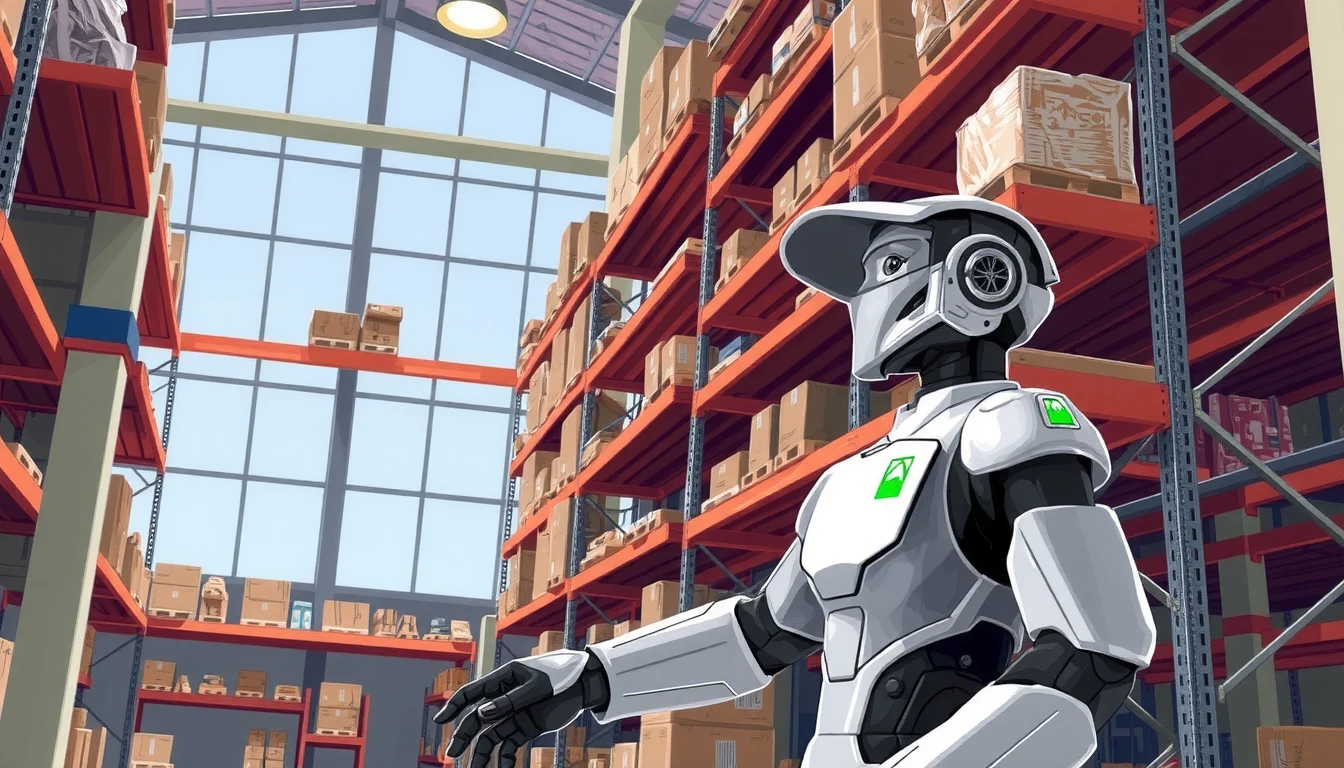
I watched a Unitree G1 humanoid pause mid-shift in a warehouse last month, its sensors detecting a shelf that looked slightly off-spec. It needed to know whether that shelf could hold the next pallet. The old answer was to stop, call a human, and wait. The new answer, unveiled on July 14, 2026, is to ask its agent.
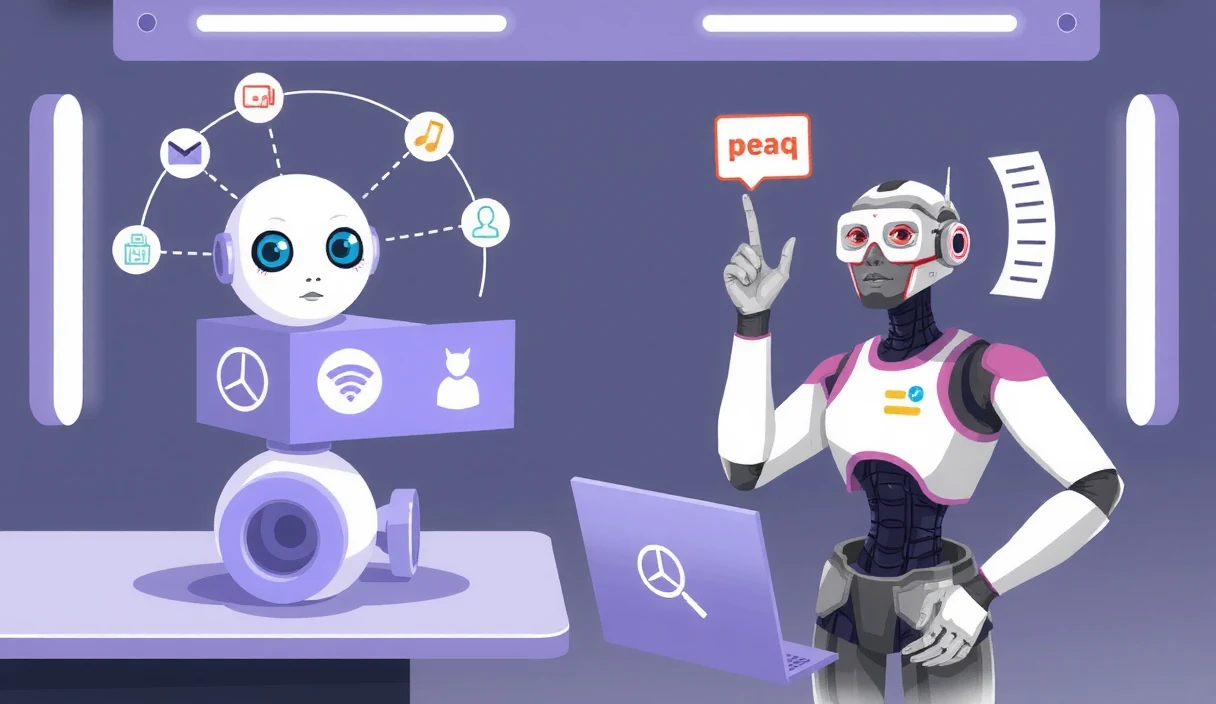
Virtuals and peaq announced a partnership that gives robots and machines their own AI agents: autonomous economic actors that can browse, negotiate, and pay for services on the machine's behalf. It is called the Agent Commerce Protocol (ACP), and it runs natively on peaqOS.
Key Metrics at a Glance
| Metric | Value |
|---|---|
| Partnership Announced | July 14, 2026 |
| Agent Framework | Virtuals Society of AI Agents |
| Infrastructure Layer | peaqOS (Polkadot-based DePIN) |
| Payment Settlement | x402 in USDC on Base |
| Launch Platform | robotic.sh |
| Primary Use Cases | Knowledge queries, data feeds, service procurement |

What the Partnership Delivers
Virtuals is a society of AI agents: autonomous software entities that can act on behalf of users or, in this case, machines. peaq is a decentralized physical infrastructure network (DePIN) built on Polkadot, providing machine identity, coordination, and economic infrastructure.
The integration pairs each machine running peaqOS with its own Virtuals agent. The agent holds a configurable spending allowance set by the machine's owner. It browses the peaqOS Machine Market and the Agent Commerce Protocol to find services, negotiate terms, and pay for exactly what the machine needs. The owner retains control over wallets and allowances, but the machine gains autonomous economic agency.
peaq handles the heavy lifting: agent pairing and permissions, order coordination across the Machine Market and ACP, and a verifiable, auditable record of every action. Payments settle via x402 in USDC on Base.
How Agent Commerce Works in Practice
The showcase demo is deceptively simple and quietly profound. A Unitree G1 humanoid is mid-shift and needs to verify a shelf weight rating. Instead of stopping or guessing, its agent queries Wolfram Alpha through the ACP and purchases a verified answer for a few cents. The robot keeps moving. The owner gets an audit trail.
Another scenario: a delivery robot sees a storm approaching. Its agent buys a weather forecast before the route, avoiding ruined parcels and wasted battery. The decision is autonomous, the payment is automatic, and the record is immutable.
The Architecture: Three Layers
| Layer | Function | Technology |
|---|---|---|
| Identity | Machine and agent pairing | peaq DIDs |
| Coordination | Service discovery and order routing | Machine Market + ACP |
| Settlement | Payment execution and record | x402, USDC on Base |
The identity layer ensures every machine and every agent has a verifiable, unique identity. The coordination layer connects machines to services through a decentralized marketplace. The settlement layer executes payments and maintains an auditable record of every transaction.
Competitive Landscape
| Platform | Agent Type | Infrastructure | Payment | Autonomy Level |
|---|---|---|---|---|
| Virtuals + peaq | AI agent per machine | DePIN (Polkadot) | USDC on Base | Full (owner-defined allowance) |
| Fetch.ai | Multi-agent system | Custom chain | FET token | High |
| Fetch.ai + Bosch | Industrial agents | Custom chain | FET token | Medium |
| Autonomous World | Game agents | Ethereum L2 | ETH/ERC-20 | Limited |
| Traditional IoT | Rule-based automation | Cloud | Fiat subscription | None (human-managed) |

Strategic Implications
This partnership moves the machine economy from passive sensors to active economic agents. A robot is no longer just a device that collects data and waits for instructions. It is an autonomous actor that can assess needs, procure services, and pay for them, all within owner-defined guardrails.
The competitive moat is in the specificity. Other agent platforms offer general-purpose automation. Virtuals + peaq targets the machine economy with native DePIN infrastructure, verifiable machine identity, and a marketplace built for machine-to-machine transactions. The Polkadot base layer provides shared security and cross-chain interoperability that isolated agent platforms cannot match.
Risk Considerations
- Allowance management: Owners must configure spending limits carefully to prevent unexpected costs
- Service quality: The ACP depends on service providers maintaining accurate, timely offerings
- Smart contract risk: x402 payment rails and ACP contracts carry standard smart contract risks
- Adoption curve: Machine manufacturers must integrate peaqOS for the ecosystem to reach scale
TL;DR
- What: Virtuals and peaq partner to give robots AI agents that can autonomously browse, negotiate, and pay for services
- Why: Machines need real-time access to knowledge and data feeds without human intervention
- Impact: Robots become active economic agents with owner-defined spending allowances and full audit trails
- Edge: Native DePIN infrastructure on Polkadot with verifiable machine identity and decentralized service marketplace
- Watch: Expansion of ACP service catalog beyond knowledge queries into logistics, energy, and predictive maintenance
Sources
Gemma Nguyen is TotesTek's Content Lead and Journalist, covering the intersection of decentralized infrastructure, machine economies, and the intelligence layers that make them autonomous.
Related Posts
-

LlamaRisk Recommends Supply Cap Increases for Aave V3 Monad: When Risk Assessors Become Growth Enablers
The recommendation appeared on the Aave governance forum in August 2026 with the confident authority of a risk assessment firm that had spent weeks modeling collateral ratios and liquidation thresholds on a blockchain that had not yet fully launched. LlamaRisk—one of Aave's desig
-

AL Development Update | August 2026: When Ethereum's Most Ambitious L2 Becomes a Moving Target
The update appeared on the Arbitrum governance forum in August 2026 with the cheerful optimism of a development team that had spent months building features nobody had asked for while the features everyone needed remained in the backlog. The AL Development Update—AL standing for
-
Risk Stewards: Cap and IRM Changes on Aave V3: When Delegated Risk Management Becomes Centralized Discretion
The proposal appeared on the Aave governance forum in August 2026 with the bureaucratic precision of a risk committee asking for broader powers. The Risk Stewards—Gauntlet, Chaos Labs, and LlamaRisk—were requesting authority to adjust interest rate models and supply caps on Aave
-

Task Token as a Reverse Asset: When Token-Bound Task Tenders Become a Labor Market
The proposal appeared on the Ethereum Magicians forum in September 2026 with the conceptual audacity of someone who had watched gig economy platforms extract value from workers and decided that blockchain could fix it—by making the workers own the token that represented their lab