

Nodle Q1 2026: AI Agents and Social Features Transform DePIN App into Utility Hub
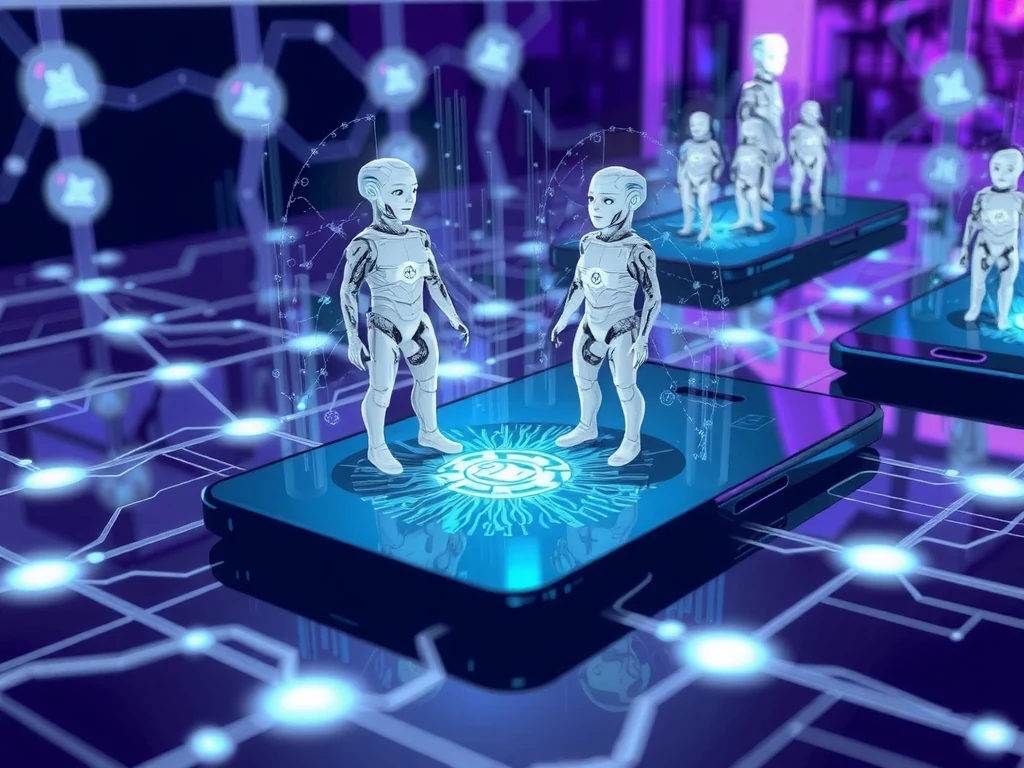
Nodle's Q1 2026 roadmap reveals a bold transformation. The decentralized physical infrastructure network (DePIN) is evolving from a simple connectivity protocol into a comprehensive utility hub powered by AI agents and social engagement features.
The Nodle AI Agent Revolution
At the center of Nodle's evolution is the introduction of Nodle AI Agent technology. These autonomous agents represent a fundamental shift in how users interact with the network. Rather than passive participation through smartphone connectivity, users now have active AI companions that understand context, predict needs, and automate complex tasks.

The Click AI Agent feature exemplifies this approach. Users can simply describe what they want to accomplish—whether finding nearby services, managing IoT devices, or optimizing network participation—and the AI agent translates intent into action. This natural language interface removes technical barriers that have historically limited blockchain adoption.
Social Connector: Building Community Infrastructure
Complementing the AI features is the Social Connector, a framework designed to transform individual network participants into connected communities. In the DePIN context, this means device owners can form local networks, share resources, and coordinate infrastructure deployment.
The Social Connector isn't just about communication—it's about economic coordination. Users can form pools to optimize network coverage, negotiate service agreements, and collectively govern local infrastructure decisions. This social layer adds a crucial human dimension to what might otherwise remain purely technical infrastructure.
From Connectivity to Comprehensive Utility
Nodle's transformation reflects a broader trend in DePIN projects: moving beyond single-purpose networks toward multifunctional platforms. While the original Nodle network focused on IoT connectivity and location services, the Q1 2026 updates position it as a general-purpose utility layer for the decentralized web.

This evolution makes strategic sense. DePIN networks require sustained user participation to maintain infrastructure quality. By expanding utility beyond core connectivity services, Nodle creates multiple engagement points that keep users active and invested in network success.
Technical Architecture Behind the Features
Supporting these user-facing features is significant backend infrastructure. The AI agents run on a combination of edge computing (processing directly on user devices) and decentralized cloud services. This hybrid approach balances responsiveness with the censorship resistance that defines DePIN principles.
The Social Connector leverages Nodle's existing peer-to-peer networking capabilities while adding new cryptographic primitives for secure group coordination. Smart contracts manage economic relationships between participants, ensuring transparent and enforceable agreements.
Implications for the DePIN Ecosystem
Nodle's Q1 2026 roadmap sends a clear signal to the broader DePIN space: competition is moving beyond raw infrastructure metrics toward user experience and utility. Projects that can make decentralized infrastructure feel as seamless as centralized alternatives will have significant advantages in user acquisition and retention.

For developers building on DePIN infrastructure, Nodle's expanded capabilities offer new integration possibilities. The AI agent framework provides interfaces that could connect to other DePIN services, potentially creating cross-protocol utility that no single project could achieve alone.
Looking Ahead: The Utility Hub Vision
While Q1 2026 represents a significant milestone, Nodle's roadmap suggests this is just the beginning of its utility hub transformation. Future iterations will likely expand AI capabilities, deepen social features, and integrate additional DePIN services beyond connectivity.
The success of this transformation will ultimately depend on execution. AI agents must deliver genuine utility rather than novelty, and social features need to foster organic community growth rather than forced engagement. If Nodle can navigate these challenges, it could establish a template for how DePIN projects evolve from infrastructure providers into comprehensive platforms.
TLDR
Nodle's Q1 2026 roadmap introduces AI agents and social features that transform the DePIN network from a connectivity protocol into a utility hub. The Nodle AI Agent and Click AI Agent features enable natural language interaction with network services, while the Social Connector allows users to form communities and coordinate infrastructure resources. This evolution reflects broader DePIN trends toward multifunctional platforms that prioritize user experience alongside technical infrastructure.
Sources
- Nodle Q1 2026 Roadmap Announcement
- DePIN Infrastructure Analysis
- Nodle Technical Documentation
Related Posts
-

Soneium Supports ERC-8432: IP Licensing That People and AI Agents Can Both Read
A few months ago, I watched a musician friend struggle with a Content ID claim on a platform she had already licensed her track through. The system saw the same audio fingerprint and flagged it as unauthorized — because the license lived in one database and the detection system l
-
Doosan Robotics and peaq Partner on Physical AI to Finance Robots and Monetize Their Spare Capacity
I have written about automated finance for years, but I have rarely seen a partnership that treats a machine as its own balance sheet. Most industrial robots are financed against the buyer's credit rating, depreciating on a schedule that has little to do with what the machine act
-
Doosan Robotics and peaq Partner on Physical AI to Finance Robots and Monetize Their Spare Capacity
I have written about automated finance for years, but I have rarely seen a partnership that treats a machine as its own balance sheet. Most industrial robots are financed against the buyer's credit rating, depreciating on a schedule that has little to do with what the machine act
-
peaq Brings Korea's Public Data to Robots and Machines
I was in Seoul last spring watching a delivery robot navigate a busy sidewalk when it suddenly stopped at a crosswalk. Not because of a pedestrian, but because its battery was running low and it needed to find a charging station. The robot knew where it was, but it didn't know wh