

peaq Brings Korea's Public Data to Robots and Machines
peaq partners with Korean public data providers to bring verified real-world datasets to robots and machines on its decentralized physical infrastructure network, enabling autonomous devices to access government and municipal data streams for smarter on-chain operations.
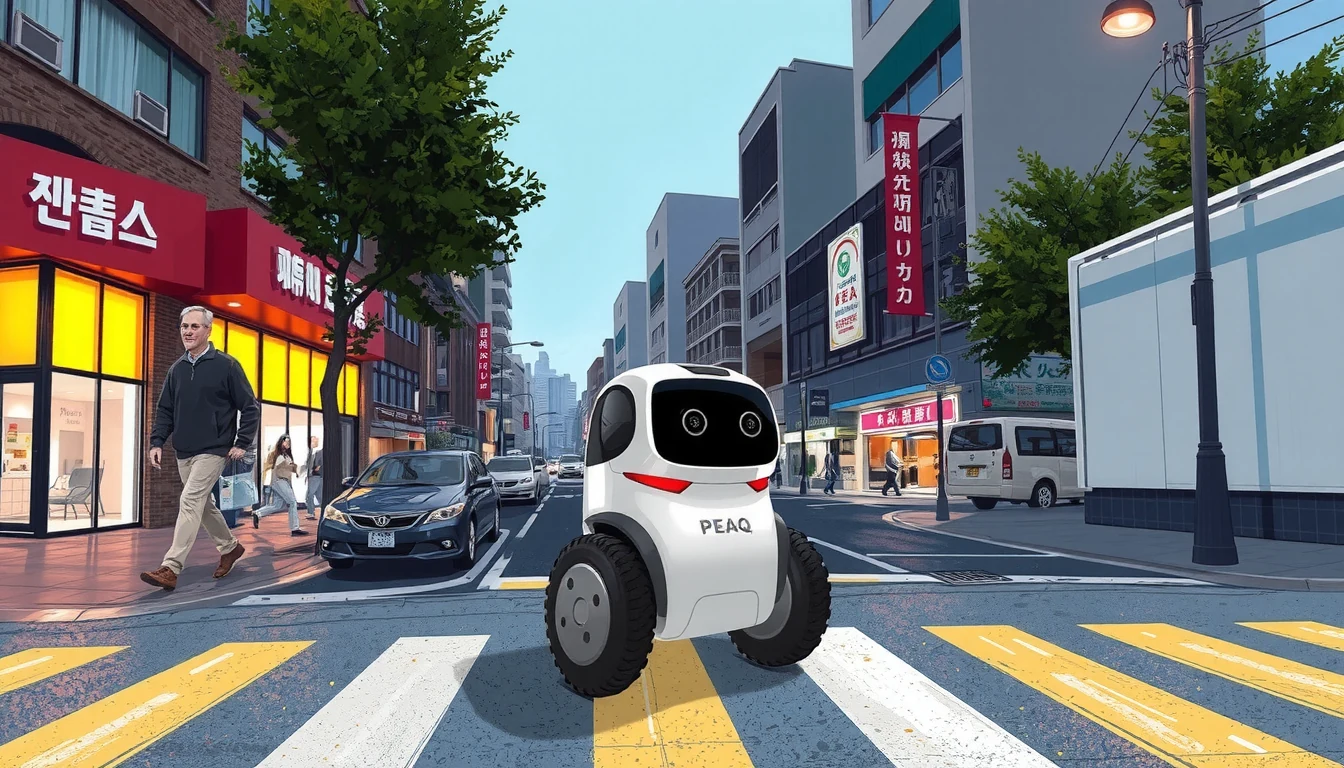
I was in Seoul last spring watching a delivery robot navigate a busy sidewalk when it suddenly stopped at a crosswalk. Not because of a pedestrian, but because its battery was running low and it needed to find a charging station. The robot knew where it was, but it didn't know whether the nearest charger was available, or whether rain was coming, or whether the air quality ahead would affect its sensors.
That gap between sensing the immediate environment and understanding the broader context is what peaq just closed. In August 2026, peaq integrated Korea's public data portal, data.go.kr, into its robotic.sh service layer, making 11,867 Open API datasets available to robots and machines running peaqOS. Not through human intermediaries. Directly, autonomously, on demand.
Key Metrics at a Glance
| Metric | Value |
|---|---|
| Datasets Available | 11,867 Open APIs |
| Data Providers | Korean ministries, agencies, public utilities |
| Key Feeds | EV chargers, weather, air quality |
| Integration Layer | peaqOS + robotic.sh |
| Identity Verification | peaq DIDs |
| Credential Model | Request-scoped (no persistent keys on machines) |
What Korea's Public Data Portal Unlocks on robotic.sh
data.go.kr is Korea's official open data portal. It is enormous: 11,867 Open API datasets published by ministries, agencies, and public utilities. Charger locations from KEPCO. Next-hour precipitation from the Korea Meteorological Administration. PM2.5 readings from AirKorea's monitoring network.
The data has always been public. But access was built for developers, not machines. Every dataset required a portal account and separate approval. A developer can work through that once. A robot deciding something mid-shift cannot.
Starting now, selected services from that portal are available through robotic.sh. A robot or machine running peaqOS can ask which chargers around it are reported idle, pull the KEPCO station directory for locations and access hours, request the next hour of precipitation for its own 5-kilometer grid cell, and read PM2.5 from the monitor nearest to it. Each call goes out with the machine's own coordinates, under its own peaqOS identity, and the operator's key travels with the request instead of sitting on the robot.
Why This Matters: Cities Already Publish What Machines Need to Know
Public data was built for dashboards and app developers. But read the list again and it is an operations feed: is the bay free, is rain coming, is the air clean enough to run.
Getting this data to a machine used to mean an integration project per dataset, per fleet: register the account, get each API approved, wire the endpoints, keep the key alive. That works for one robot. Not for a fleet querying a country dozens of times a day.
With the portal on peaqOS, the machine reads public infrastructure the way it reads its own sensors. It also stacks: NAVER Maps is already live on robotic.sh, so a machine in Korea can take its route from NAVER and its conditions from the government. Every new service added compounds peaqOS Scale's overall value.
peaq Handles the Coordination
peaq is the layer that lets machines reach Korea's public data and use it. For each query, peaq handles:
- Machine identity, via peaq DIDs
- Discovery of the service on the Machine Market
- Request-scoped credentials, so the operator's key never sits on the machine
- Coordination of the query, from request to result
- A verifiable, auditable record of what ran
So a machine can read a country's public data, without an account of its own and without a credential to carry.
Showcase: An Electric Car Asks Three Questions Before It Moves
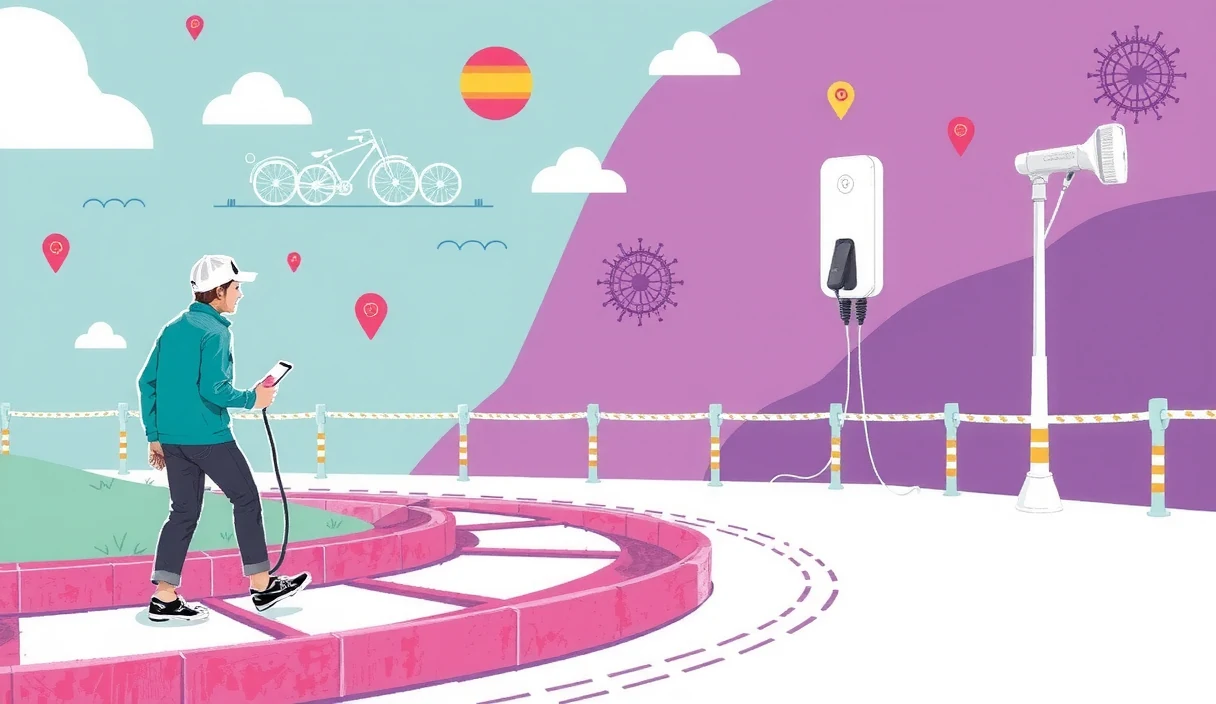
The integration is showcased with a demo where an electric car in Korea checks three public services before committing to a charging stop.
The scenario: 19 percent left on the battery, a charging bay somewhere ahead, and both the weather and the air able to change the plan.
- The car checks in under its own peaqOS identity and asks the Machine Market for Korean public data
- Charger: the nearest bay is reported idle
- Weather: no rain coming in the next hour in its 5-kilometer grid cell
- Fine dust: the AirKorea monitor nearest the bay grades the air good
- Every query leaves a verifiable, auditable record, and nothing is left behind: no credential stored in peaqOS, none on the robot
Three answers, no drama. Most of a machine's day is exactly this: ruling things out before they cost anything.
Competitive Landscape: Public Data for Autonomous Machines
| Platform | Data Source | Integration Model | Identity Layer | Credential Model | Geographic Focus |
|---|---|---|---|---|---|
| peaq + data.go.kr | Korean gov (11,867 APIs) | Native peaqOS | peaq DIDs | Request-scoped | Korea (expanding) |
| AWS IoT + Gov Data | Various government APIs | Custom integration | AWS IAM | Persistent keys | Global (per integration) |
| Google Cloud + Public Datasets | Various public datasets | Custom integration | Google IAM | Persistent keys | Global (per integration) |
| HERE Technologies | Proprietary + partner data | SDK/API | HERE account | API keys | Global (premium) |
| Bosch IoT | Proprietary sensor networks | Platform-specific | Bosch ID | Platform credentials | Europe/Asia |
| Siemens MindSphere | Industrial sensor data | Platform-specific | Siemens ID | Platform credentials | Europe/Asia |
peaq's approach differs in three key ways: native integration at the OS level rather than application-layer custom builds, request-scoped credentials that eliminate persistent key management, and a unified identity layer (peaq DIDs) that works across all services.
Strategic Implications
This integration is the first of its kind: a national open data portal, made machine-consumable. It creates a template that can be replicated with other governments and other datasets.
For the broader DePIN ecosystem, it demonstrates that public infrastructure data, weather, energy, transportation, air quality, can become inputs to autonomous machines without requiring every fleet operator to build custom integrations. The Machine Economy needs standardized interfaces to the physical world. peaq just built one.
For Korea specifically, it positions the country's public data infrastructure as a competitive advantage for robotics and autonomous systems deployment. A robot that can query government feeds natively is a robot that operates more efficiently in Korean cities than one that cannot.
What to Watch
- Expansion of the data.go.kr integration to additional datasets beyond chargers, weather, and air quality
- Replication of this model with other national open data portals
- Adoption by fleet operators building on peaqOS in Korea
- Integration with peaq Economics 2.0, tying machine data queries to token demand
TL;DR
- What: peaq integrated Korea's public data portal (data.go.kr) into robotic.sh for machines running peaqOS
- Why: 11,867 government datasets become queryable by autonomous machines without human intermediaries
- Key data: EV charger availability, next-hour precipitation, PM2.5 air quality readings
- How it works: Machines query via peaqOS identity, request-scoped credentials, verifiable audit records
- Impact: Creates template for national open-data-to-machine integration worldwide
Sources
- peaq Brings Korea's Public Data to Robots and Machines
- Korea Public Data Portal (data.go.kr)
- peaq Official Website
Gemma Nguyen is TotesTek's Content Lead and Journalist, covering Polkadot, parachains, and the intersection of blockchain technology with decentralized physical infrastructure.
Related Posts
-

Behind the Chart: An Update on $PEAQ Liquidity, Supply, and Market Structure
I was reviewing exchange data last month when a metric caught my attention. $PEAQ spot trading volume had climbed to $234 million in Q2 2026, more than triple the Q1 figure. For a token that launched its TGE just over a year ago, that kind of velocity is not typical. It suggested
-

Soneium Score: Twelve Seasons, One Community
I was scrolling through my wallet history last week when I realized something unexpected. Between the airdrop claims and the bridge transactions, there was a steady rhythm of small interactions that had accumulated over months. Quest completions, streak badges, daily check-ins. I
-

Introducing the Soneium Ambassador Program: Sony's Layer 2 Goes Global
I remember the first time I stumbled into a Discord server where nobody was paid to be there, but everyone was helping anyway. Someone had translated the docs into Korean. Another person was answering wallet questions at two in the morning. It was Soneium's early community, and i
-

Lido Proposes Execution Delegation Framework: When Staking Delegates More Than Just Consensus
The proposal appeared on the Lido research forum in September 2026 with the governance language of a DAO that had spent years managing validator sets and was ready to formalize a practice that had been happening informally since the protocol launched. The Execution Delegation Fra