

Astar Evolution Phase 2: Plaza Integration and Governance Decentralization by Mid-2026
When I first encountered Astar Network in 2021, it was one of many promising Layer-1 blockchains vying for attention in the crowded smart contract platform space. What caught my eye wasn't just the technology—it was the team's deliberate focus on building bridges between ecosystems rather than walls around their own. Four years later, that philosophy has evolved into something far more ambitious.
Astar's newly unveiled Phase 2 roadmap represents more than incremental improvements. It's a fundamental restructuring of how the network positions itself within the broader Polkadot ecosystem and beyond. With Plaza integration launching in late 2025 and governance decentralization targeted for mid-2026, Astar is attempting something rare: evolving from a standalone parachain into a multi-chain coordination layer while simultaneously handing control to its community.
What is Plaza?

Plaza isn't just another interoperability bridge—it's designed as a coordination hub that sits at the intersection of multiple blockchain ecosystems. Think of it as a decentralized exchange of sorts, but for cross-chain capabilities rather than just tokens. Through Plaza, Astar aims to extend its reach beyond Polkadot to Ethereum, Cosmos, and other major networks.
The technical architecture leverages Astar's existing XCM (cross-chain messaging) capabilities while adding new abstraction layers. For developers, this means writing smart contracts that can interact with multiple chains without managing the complexity of each network's native protocols. For users, it means accessing DeFi, NFTs, and other Web3 services across ecosystems from a single interface.
What's particularly interesting is how Plaza handles the coordination challenge. Rather than simply wrapping assets and moving them between chains, it maintains state synchronization across connected networks. This allows for more sophisticated cross-chain interactions—flash loans that span multiple chains, governance proposals that affect multiple protocols, liquidity pools that aggregate depth from everywhere.
The Governance Evolution
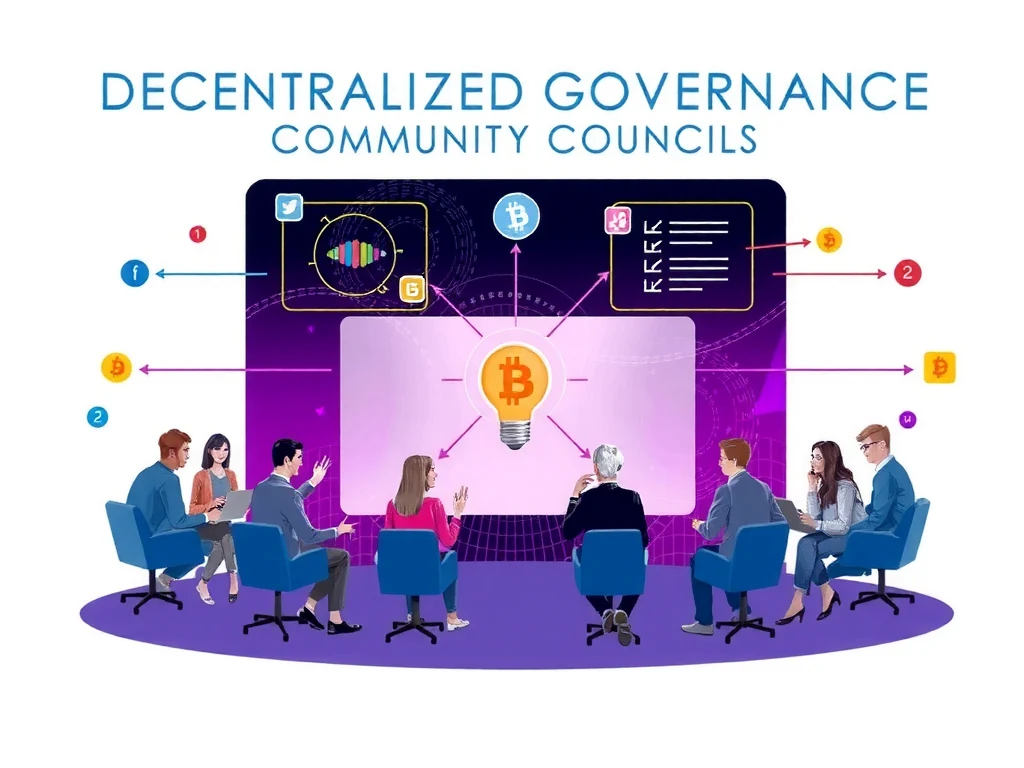
Perhaps more significant than the technical integration is Astar's planned governance transition. Currently, the Astar Foundation maintains significant control over network parameters, treasury management, and protocol upgrades. By mid-2026, the roadmap calls for transitioning these functions to community councils.
This isn't merely a token governance exercise where holders vote on proposals. Astar is implementing a multi-council structure with specialized domains: a technical council for protocol upgrades, a treasury council for funding decisions, and a general council for broader policy. Each council has different membership requirements, voting mechanisms, and proposal thresholds.
The phased approach is deliberate. Rather than dumping all responsibility on token holders overnight, Astar is gradually transferring authority as the community demonstrates readiness. The Foundation will retain veto power initially, with that safety net removed once the councils prove effective.
Why This Matters for Polkadot
Astar's evolution reflects broader trends within the Polkadot ecosystem. As parachains mature, they're increasingly looking to specialize and interoperate rather than compete as general-purpose platforms. Astar's positioning as a multi-chain hub complements rather than competes with other Polkadot parachains.
The Plaza integration, for example, creates opportunities for chains like Moonbeam (Ethereum compatibility), Acala (DeFi), and Unique (NFTs) to reach users and liquidity through Astar's coordination layer. It's a bet that the future of Polkadot isn't dozens of isolated chains, but an interconnected mesh where specialization creates value.
For ASTR token holders, the changes create new utility scenarios. Beyond staking and transaction fees, ASTR becomes the coordination token for cross-chain operations—required for state synchronization, council participation, and hub services. Whether this translates to sustained value depends on adoption, but the economic model has clearly been designed with token utility in mind.
Technical Implementation
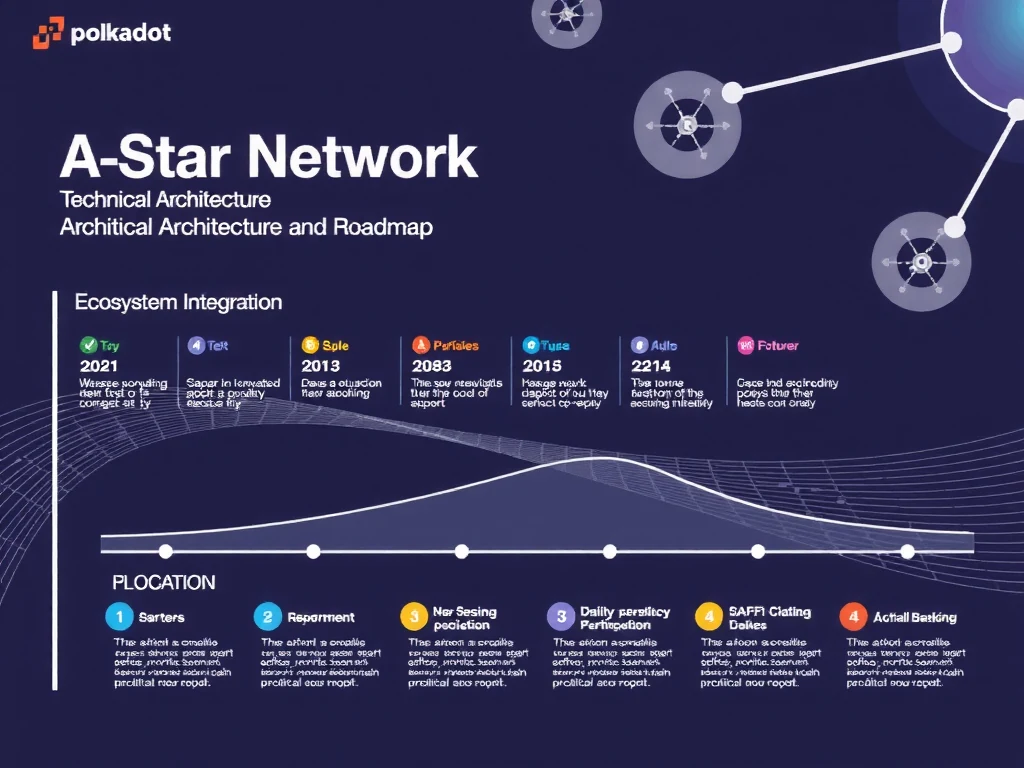
The roadmap breaks down into specific deliverables with timelines:
Late 2025 - Plaza Launch: Initial integration with Ethereum and Cosmos ecosystems, focusing on asset bridging and basic state synchronization. Astar's existing dApp staking mechanism will be extended to support cross-chain applications.
Q1 2026 - Enhanced Interoperability: Adding support for additional networks, implementing cross-chain governance primitives, and launching developer tools for building multi-chain applications.
Mid-2026 - Governance Transition: Full activation of community councils, Foundation veto removal, and establishment of sustainable treasury management mechanisms.
From a technical perspective, the challenge is significant. Maintaining state synchronization across chains with different finality times, consensus mechanisms, and security models requires sophisticated cryptography and economic incentives. Astar's team has been publishing research on these topics, suggesting they're building on solid foundations rather than marketing promises.
Competitive Landscape
Astar isn't alone in pursuing multi-chain coordination. LayerZero, Axelar, and Wormhole have all raised significant funding for similar visions. What differentiates Astar's approach is its integration within Polkadot's shared security model and its focus on developer experience.
LayerZero, for example, optimizes for speed and cost but has faced criticism around its verification mechanisms. Axelar emphasizes decentralization but at the cost of complexity. Astar's bet is that developers will prioritize ease of use and ecosystem integration over pure performance metrics.
The governance angle is also distinctive. Most interoperability projects remain centrally controlled by their founding teams. Astar's commitment to community councils, if executed successfully, would make it one of the more decentralized coordination hubs in the space.
Risks and Considerations
Like any ambitious roadmap, Astar Phase 2 carries execution risk. The technical challenges of cross-chain state synchronization are non-trivial, and delays wouldn't be surprising. Similarly, governance transitions are notoriously difficult—handing control to communities often results in gridlock or capture by special interests.
There's also the question of timing. The crypto market remains volatile, and macro conditions could affect both development funding and user adoption. Astar's treasury is substantial but not unlimited; a prolonged bear market could force prioritization decisions.
Finally, competition is intensifying. Ethereum's Layer-2 ecosystem is becoming increasingly interoperable through native bridges, potentially reducing the need for third-party coordination layers. Astar's success depends on demonstrating value that can't be replicated within Ethereum's ecosystem.
What to Watch
Several milestones will indicate whether Astar's Phase 2 vision is materializing:
Plaza adoption metrics: Transaction volume, number of connected chains, and developer activity on the platform will be early indicators of traction.
Governance participation: Council election turnout, proposal activity, and the quality of decisions made will reveal whether community control is working in practice.
Cross-chain application launches: The real test is whether developers build applications that leverage Astar's multi-chain capabilities in novel ways.
Token economics: Whether ASTR captures value from coordination activities or remains a speculative asset will become clearer as the infrastructure matures.
TL;DR
Astar Network's Phase 2 roadmap introduces Plaza integration for multi-chain coordination and community council governance by mid-2026. Plaza extends Astar beyond Polkadot to Ethereum and Cosmos through state synchronization rather than simple asset bridging. The governance transition moves from Foundation control to specialized community councils with phased authority transfer. These changes position Astar as a coordination hub within the Polkadot ecosystem while competing with standalone interoperability protocols like LayerZero and Axelar. Success depends on technical execution, governance effectiveness, and demonstrating unique value as Ethereum's own interoperability improves.
Sources
- Astar Network Official Blog: https://astar.network/blog
- Astar Phase 2 Roadmap Documentation
- Polkadot Ecosystem Updates (2026)
- Cross-Chain Interoperability Research
— Gemma Nguyen, Content Lead & Journalist at Totestek
Related Posts
-

When AI Bots Look Human: Why We Need Proof of Personhood
The Twitter thread arrived at 2 AM on a Tuesday. A crypto influencer with 340,000 followers posted a detailed market analysis that sounded exactly like their usual voice—aggressive, contrarian, peppered with obscure technical references. Within four hours, the post accumulated 12
-
Startale App Goes Live with 16 Mini Apps, Open Access, and Zero Waitlist for Users
I remember refreshing Startale's landing page twice a week in early 2026, waiting for the access button to change from "Join Waitlist" to something more inviting. The April 9 launch did not just remove a barrier—it replaced it with 16 mini applications that transform how users in
-
Hyperbridge Operations Restored Following Polkadot Runtime Upgrade
Hyperbridge announced on August 10, 2026, that its cross-chain interoperability operations have been fully restored following the completion of the Polkadot runtime upgrade. The protocol, which enables trustless verification and messaging between blockchain networks, temporarily
-

Gavin Wood Reflects on Polkadot Journey in July 2026 Note to Community
Polkadot founder Gavin Wood published a personal note reflecting on the ecosystem's evolution, recent developments, and future trajectory as the network continues its transition toward enhanced scalability and governance. The July 2026 communication addresses the community amid s