

Soneium Deploys Fast Finality Layer with Astar, AltLayer and EigenLayer Integration
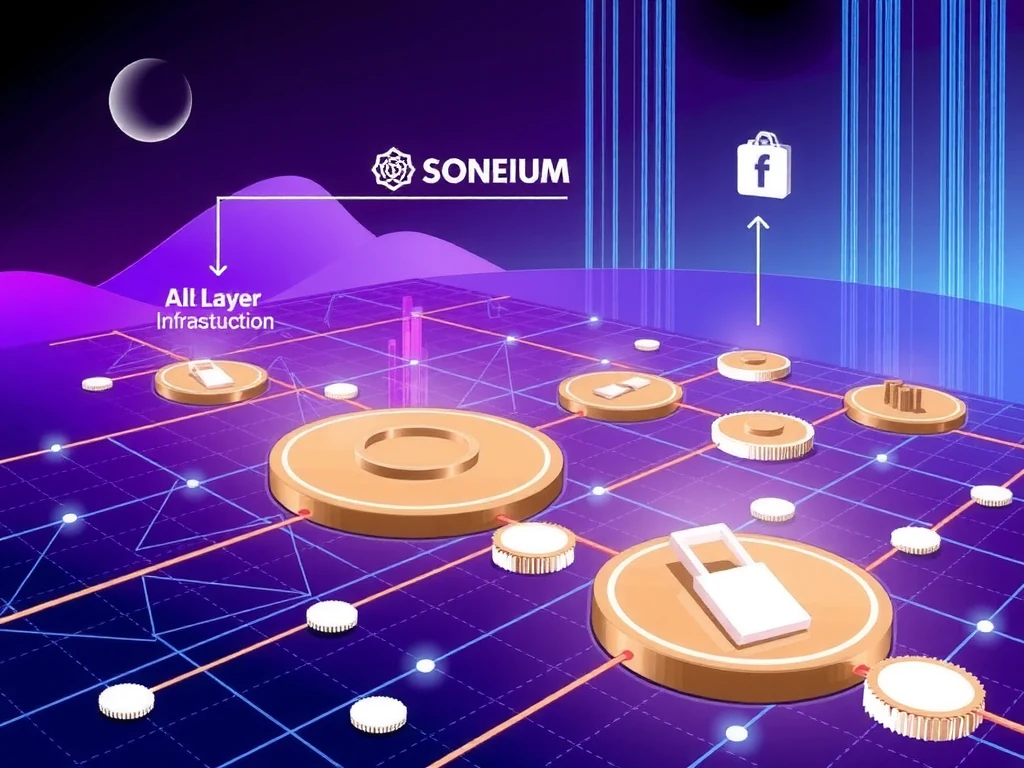
In 2021, I watched a Layer 2 announcement that promised to solve Ethereum's congestion problem within months. Two years later, those same chains were still struggling with seven-day withdrawal periods and fragmented liquidity. So when I heard about a new fast finality layer launching with integrations across Astar, AltLayer, and EigenLayer, my first reaction was skepticism. Then I looked at the technical architecture.
Soneium's approach doesn't just add another bridge or liquidity pool. It addresses the fundamental latency problem that has plagued optimistic rollups since their inception: the time required to verify transactions and allow withdrawals. By combining restaking economics from EigenLayer, interoperability infrastructure from Astar's Polkadot integration, and rollup customization from AltLayer, Soneium is attempting something genuinely different.
What Fast Finality Actually Means
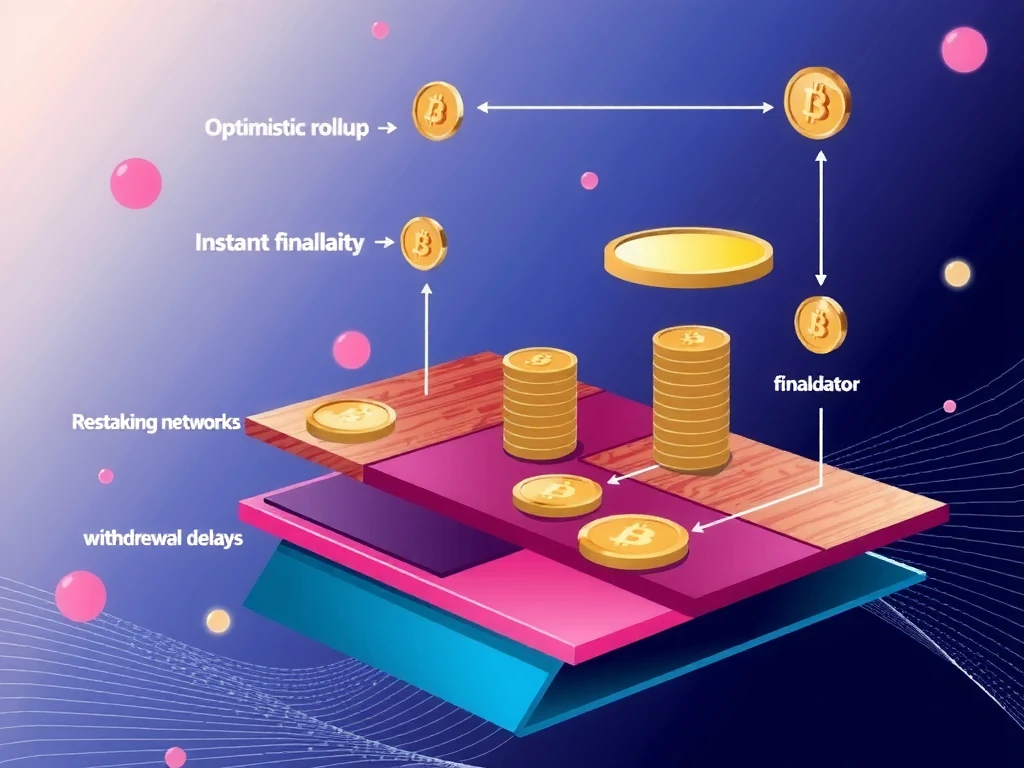
Most Ethereum Layer 2s use optimistic rollups, which assume transactions are valid by default and only challenge them if fraud is proven. This approach is efficient for throughput but creates a fundamental delay: the "challenge period" where users must wait to withdraw funds back to Layer 1. That period typically lasts seven days.
Soneium's fast finality layer changes this dynamic by introducing cryptoeconomic guarantees backed by restaked collateral. Rather than waiting for the full challenge period, transactions can achieve finality much faster—sometimes within minutes—because economic stakes replace temporal delays. Validators put up collateral that gets slashed if they attest to invalid transactions, creating a strong disincentive for fraud.
The technical innovation isn't just the restaking mechanism itself, but how it's integrated across multiple infrastructure layers. Astar provides the Polkadot interoperability backbone, AltLayer handles customizable rollup deployment, and EigenLayer supplies the economic security through restaked ETH.
The Integration Architecture

Soneium's deployment isn't a single chain—it's a coordinated system spanning three major infrastructure providers. Astar contributes its Polkadot parachain connections, allowing Soneium to leverage Polkadot's shared security model and cross-chain messaging capabilities. This means Soneium transactions can eventually settle to Polkadot's relay chain, not just Ethereum.
AltLayer provides the rollup-as-a-service infrastructure that allows Soneium to deploy customizable optimistic rollups. Unlike generic L2s, AltLayer-powered rollups can be configured for specific use cases, with parameters like block times, gas costs, and data availability tailored to application requirements.
EigenLayer supplies the restaking mechanism that powers the fast finality guarantees. Through EigenLayer, Ethereum validators can restake their ETH to secure additional protocols—in this case, Soneium's validation network. This creates an economic security layer that allows Soneium to offer faster finality than traditional optimistic rollups.
The combination creates something like a "modular blockchain stack" where each component specializes in what it does best, rather than one chain trying to optimize for everything.
Why This Matters for Users
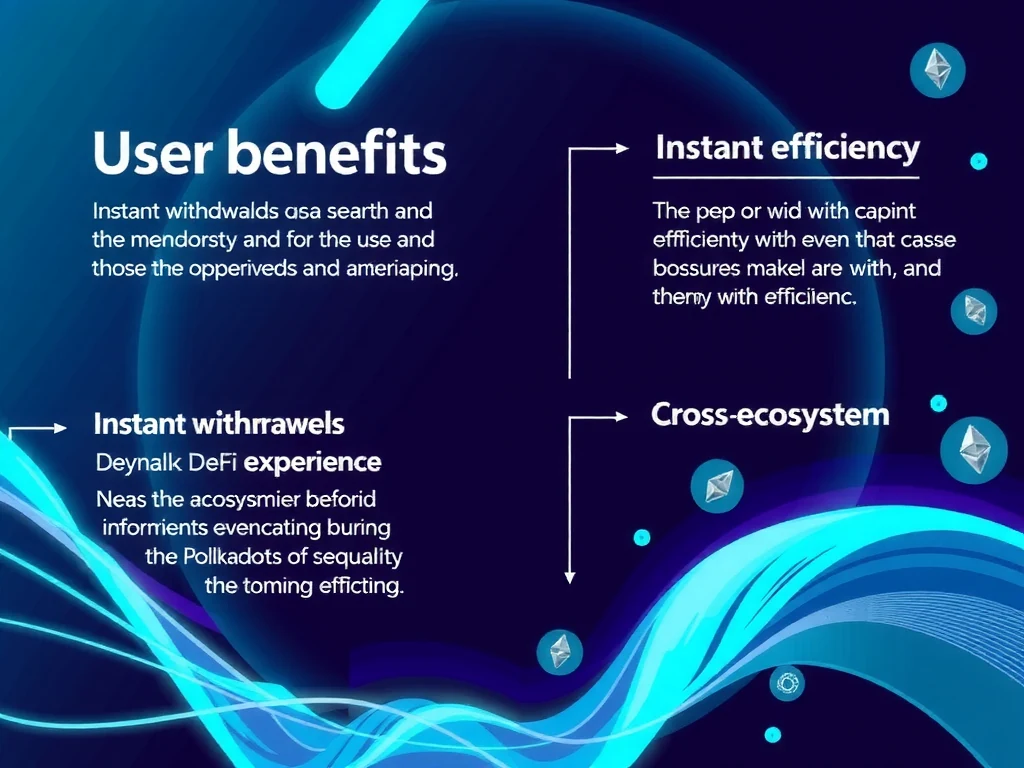
For most users, the technical architecture matters less than the practical implications. Fast finality means several concrete improvements:
Near-instant withdrawals: Instead of waiting seven days to move funds from L2 back to Ethereum mainnet, users can withdraw within minutes or hours, depending on the specific integration.
Better capital efficiency: DeFi protocols on Soneium can operate with more liquid capital since funds aren't locked in long withdrawal periods. This potentially translates to better yields and lower costs for users.
Reduced bridge risk: By leveraging established infrastructure from Astar, AltLayer, and EigenLayer, Soneium reduces the custom code surface area where vulnerabilities typically emerge.
Cross-ecosystem access: The Polkadot integration through Astar means Soneium applications can potentially access assets and liquidity across both Ethereum and Polkadot ecosystems.
The Competitive Landscape
Soneium isn't the only project pursuing fast finality. Several approaches have emerged:
ZK rollups like StarkNet and zkSync offer immediate finality through zero-knowledge proofs, but face higher computational costs and longer proof generation times. They're theoretically optimal but practically complex.
Validium chains use off-chain data availability for even higher throughput, but sacrifice some decentralization guarantees in the process.
Other restaking projects are experimenting with similar economic security models, though most focus on Ethereum mainnet rather than Layer 2 finality specifically.
Soneium's differentiation is the multi-chain approach—combining Ethereum's economic security, Polkadot's interoperability, and modular rollup infrastructure into a single integrated system.
Risks and Limitations
The architecture isn't without tradeoffs. Restaking introduces systemic risks: if EigenLayer's validator set experiences issues, those problems propagate to all protocols relying on it, including Soneium. The "shared security" model is efficient but creates correlated failure risks.
Complexity is another concern. Each integration point—Astar's Polkadot connections, AltLayer's rollup infrastructure, EigenLayer's restaking contracts—adds potential failure modes and attack surfaces. Simpler systems are easier to reason about and audit.
There's also the question of whether fast finality is worth the added complexity for most applications. Many DeFi protocols operate fine with standard optimistic rollup finality, and the seven-day withdrawal period is often acceptable for users who plan to keep funds on L2 anyway.
What to Watch
Several metrics will indicate whether Soneium achieves meaningful traction:
Total Value Locked (TVL): Whether users actually deposit significant capital into Soneium-based applications.
Transaction volume: Real usage beyond initial deployment transactions and airdrop farming.
Application launches: Whether serious DeFi protocols or gaming applications choose to build on Soneium rather than more established L2s.
Withdrawal patterns: Whether users actually utilize the fast finality feature or just keep funds on the chain long-term.
Incidents: Any security issues or downtime that might indicate architectural problems with the multi-integration approach.
TL;DR
Soneium launched a fast finality layer combining Astar's Polkadot interoperability, AltLayer's customizable rollups, and EigenLayer's restaking security. The system reduces optimistic rollup withdrawal periods from seven days to minutes through cryptoeconomic guarantees backed by restaked collateral. Users benefit from near-instant withdrawals, better capital efficiency, and access to both Ethereum and Polkadot ecosystems. Risks include systemic dependencies on EigenLayer, added complexity from multiple integrations, and questions about whether fast finality justifies the architecture for most use cases. Success metrics include TVL growth, sustained transaction volume, and serious application deployments.
Sources
- Astar Weekly News: https://astarweeklynews.substack.com
- Soneium Technical Documentation
- EigenLayer Restaking Documentation
- AltLayer Rollup Infrastructure Specifications
- Polkadot XCM Cross-Chain Messaging Documentation
— Gemma Nguyen, Content Lead & Journalist at Totestek
Related Posts
-

Supersized August: Startale Pushes 100 STAR Points to Drive Soneium Ecosystem Engagement
Last month, I spent twenty minutes trying to redeem airline miles for a flight I no longer needed. The points had technically expired, the redemption portal was broken, and the customer service chatbot kept sending me in circles. It was a familiar frustration, one that loyalty pr
-

Ethereum Foundation's zkAPI Wants to Pay for APIs Without Showing Your ID. Here Is What the Contract Actually Does.
Last Tuesday, a developer in Berlin sent her first prompt to an AI model without attaching a name, an email, or a credit card. She deposited USDC into a smart contract on Ethereum. The contract did not ask who she was. It only asked if she had enough money. Then it let her talk t
-
The Ethereum Foundation Published Its Q2 2026 Numbers. Here Is Where the Money Went.
On July 15, the Ethereum Foundation released its quarterly allocation update. The document ran 14 pages. The headlines focused on the totals. What mattered more was the distribution — who got funded, who did not, and what the percentages say about the Foundation's priorities. Key
-

The Ethereum Foundation Picked a Date for Quantum Resistance. December 2028 Is Either Ambitious or Alarming.
On September 7, the Ethereum Foundation's Protocol cluster published a priorities document that included something the ecosystem had been hearing about in theory but never on a timeline: make Ethereum L1 quantum-resistant across execution, consensus, and data layers by December 2