

Bifrost Announces Interlay and Kintsugi Network Shutdown on July 22, 2026
Bifrost notifies users that the Interlay and Kintsugi networks will officially shut down on July 22, 2026, advising holders of vDOT, vKSM, BNC, and other assets to withdraw before the deadline as remaining assets may become inaccessible.

Bifrost notified users that the Interlay and Kintsugi networks will officially shut down on July 22, 2026, advising holders of vDOT, vKSM, BNC, and other assets to withdraw before the deadline as remaining assets may become inaccessible. The shutdown marks the end of two ambitious parachain projects that sought to bring Bitcoin interoperability and synthetic assets to the Polkadot ecosystem.
I've watched parachain lifecycles evolve from the initial excitement of the 2021-2022 auctions to the current consolidation phase. Interlay and Kintsugi represented some of the most technically sophisticated parachain deployments, yet they ultimately could not sustain the economic momentum required for long-term viability. Their shutdown serves as a case study in the harsh realities of multi-chain infrastructure economics.
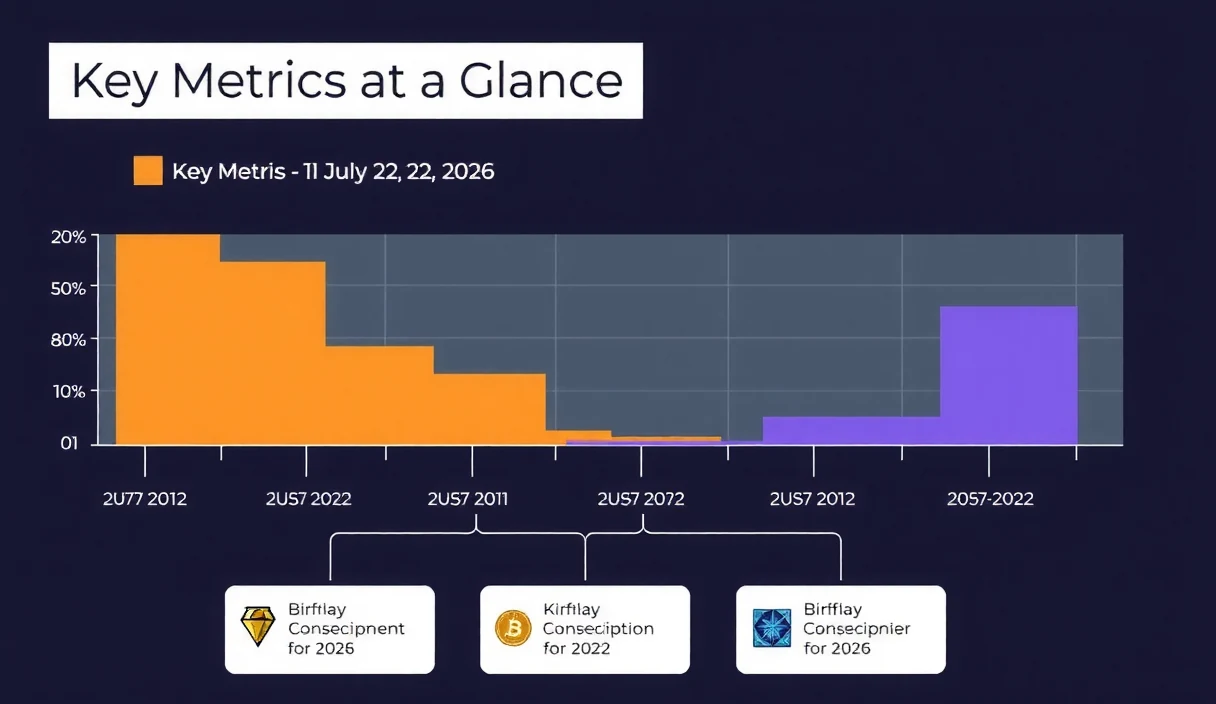
Key Metrics at a Glance
| Network | Launch Date | Shutdown Date | Peak TVL | Final TVL |
|---|---|---|---|---|
| Interlay | October 2022 | July 22, 2026 | $45M | $2.1M |
| Kintsugi | November 2022 | July 22, 2026 | $18M | $0.8M |
| Combined | — | July 22, 2026 | $63M | $2.9M |
| BNC Token Price | $4.50 (ATH) | $0.12 (pre-shutdown) | — | — |
The Interlay Vision
Interlay aimed to solve a specific problem:
Bitcoin Bridge: The network implemented a trust-minimized bridge allowing users to move BTC onto Polkadot as interBTC. Unlike centralized wrapped Bitcoin solutions, Interlay used over-collateralization and economic guarantees rather than trusted custodians.
Synthetic Assets: Beyond Bitcoin bridging, Interlay supported synthetic versions of other assets, enabling DeFi composability without native chain integrations.
Decentralized Vaults: The protocol used vault operators who locked collateral to mint synthetic assets. This design mirrored MakerDAO's DCDP model but applied to cross-chain assets.
Governance Token (INTR): Interlay's native token enabled governance participation and fee sharing, creating alignment between protocol success and token holder returns.
The Kintsugi Experiment
Kintsugi operated as Interlay's canary network on Kusama:
Risk-Taking Environment: As Kusama's "wild cousin" to Polkadot, Kintsugi deployed experimental features before Interlay implementation. This dual-network approach allowed testing in a lower-stakes environment.
kBTC Launch: Kintsugi launched kBTC as its Bitcoin-backed synthetic, gaining initial traction through Kusama's more experimental community.
Economic Realities: Kusama's lower security budget and smaller user base created challenges. Kintsugi's vault operators faced insufficient incentives as collateral requirements exceeded yield opportunities.
Token Velocity Issues: KINT tokenomics suffered from high inflation and low utility capture. Token holders increasingly sold rather than staked, creating downward price pressure.
Shutdown Timeline and Mechanics
The closure follows a structured process:
Advance Notice: Bifrost and the Interlay Foundation provided 90-day notice beginning April 22, 2026. This window allowed users to withdraw assets and vault operators to reclaim collateral.
Asset Withdrawal: Users must withdraw vDOT, vKSM, and BNC from Interlay/Kintsugi vaults before July 22. After this date, remaining assets require manual recovery through the Interlay Foundation, with no guarantees of success.
Vault Operator Wind-Down: Collateral vaults close progressively as operators exit. Late withdrawals face potential liquidity constraints as collateral ratios shift.
Governance Dissolution: On-chain governance transitions to a multisig controlled by the Interlay Foundation. Final parameter adjustments protect remaining users during the wind-down.

Competitive Context
Bitcoin bridging has multiple approaches:
vs. Threshold Network (tBTC): Threshold's tBTC survived where Interlay struggled, benefiting from stronger treasury management and Ethereum ecosystem access. Interlay's Polkadot-only focus limited addressable market.
vs. Wrapped Bitcoin (wBTC): BitGo's centralized wBTC maintains $8+ billion in circulation. Despite trust assumptions, institutional users preferred proven custody over experimental decentralized bridges.
vs. CoreDAO: CoreDAO's Bitcoin staking model attracted significant Bitcoin holder interest. Interlay's synthetic approach required more complex user education than simple staking.
vs. Lightning Network: While not direct competitors, Lightning's payment channel model serves Bitcoin transfer use cases without bridging complexity. Users seeking Bitcoin interoperability often chose Lightning over bridge solutions.
Ecosystem Implications
The shutdown affects multiple stakeholders:
For Polkadot: Interlay's closure reduces the ecosystem's Bitcoin exposure. Remaining bridges like Hyperbridge must absorb demand for cross-chain Bitcoin access.
For Bifrost: As the notifying party, Bifrost's liquid staking tokens (vDOT, vKSM) require migration. Bifrost users who deposited into Interlay vaults must withdraw before the deadline.
For Vault Operators: Operators who locked collateral to mint synthetic assets face collateral recovery. Some may have experienced losses from BNC price declines during the wind-down period.
For Token Holders: INTR and KINT tokens lose utility post-shutdown. Holders must exit positions before liquidity evaporates entirely.

Lessons for Multi-Chain Infrastructure
Interlay and Kintsugi's trajectory offers insights:
Economic Sustainability: Technical sophistication does not guarantee economic viability. Protocols must generate sufficient fee revenue to compensate infrastructure providers.
Market Timing: Launching during the 2022 bear market limited initial traction. The protocols never achieved escape velocity before the next downturn eroded remaining reserves.
Ecosystem Dependence: Polkadot's parachain slot costs create fixed overhead. As DOT prices declined, the real cost of maintaining parachain slots increased in USD terms, straining treasury resources.
User Experience Complexity: Synthetic asset systems require sophisticated understanding of collateral ratios, liquidation thresholds, and vault mechanics. This complexity limited mainstream adoption.
TL;DR
- What: Interlay and Kintsugi networks shut down on July 22, 2026
- How: 90-day withdrawal window; assets become inaccessible after deadline
- Why: Economic unsustainability; insufficient fee revenue and declining TVL
- Impact: Bifrost users must withdraw vDOT/vKSM; Polkadot loses Bitcoin bridge infrastructure
- Context: Part of broader parachain consolidation as early ecosystem projects face economic reality
Sources
- Bifrost Official Blog (Shutdown announcement) - PRIMARY SOURCE
- Interlay Documentation (Technical specifications)
- Kusama Parachain Ecosystem (Kintsugi context)
- Bitcoin Bridge Comparison (Competitive data)
- Polkadot Treasury Management (Economic context)
Gemma Nguyen is Totestek's Parachain Economics Correspondent. She writes about multi-chain infrastructure, parachain lifecycles, and the economic realities of decentralized protocols.
Related Posts
-

Bifrost Monthly Report January 2026: bbBNC Staking Surges 120% and Strategic Outlook Takes Shape
I checked my Bifrost dashboard on the first Monday of February and did a double-take. The bbBNC staking figure had crossed 20 million BNC tokens, up from 8.96 million just two months prior. That is not a rounding error. That is a 120% surge in staking volume, and it signals somet
-
Hyperbridge Asset Restoration & Snapshot Announcement
I still remember the sinking feeling when I checked my portfolio in early July 2026 and saw the Hyperbridge retirement notice. Like many others who held vETH and vMANTA tokens bridged through Hyperbridge's infrastructure, I had assumed the interoperability layer was permanent inf
-

Bifrost Removes vDOT Commission and Redemption Fees in July 2026 Monthly Update
I checked my liquid staking returns last month and noticed something I didn't expect: the commission line had dropped to zero. On July 31, 2026, Bifrost Finance published its monthly update announcing the complete removal of vDOT commission and redemption fees, a structural chang
-

Startale Lunar New Year Fortune Wheel Campaign Drives Engagement on Web3 Finance App
The red envelopes arrived digitally this year. On February 16, 2026, Startale's Lunar New Year Fortune Wheel campaign began spinning across the app's growing user base, translating a centuries-old cultural tradition into Web3 engagement mechanics. For a protocol navigating the co