

peaqOS and World ID Enable Proof of Human for Robots and Machines
I watched a delivery robot in Seoul pause at an apartment door last month, its sensors scanning the person who stepped out to collect medication. The hatch stayed sealed. Not because the robot was bro
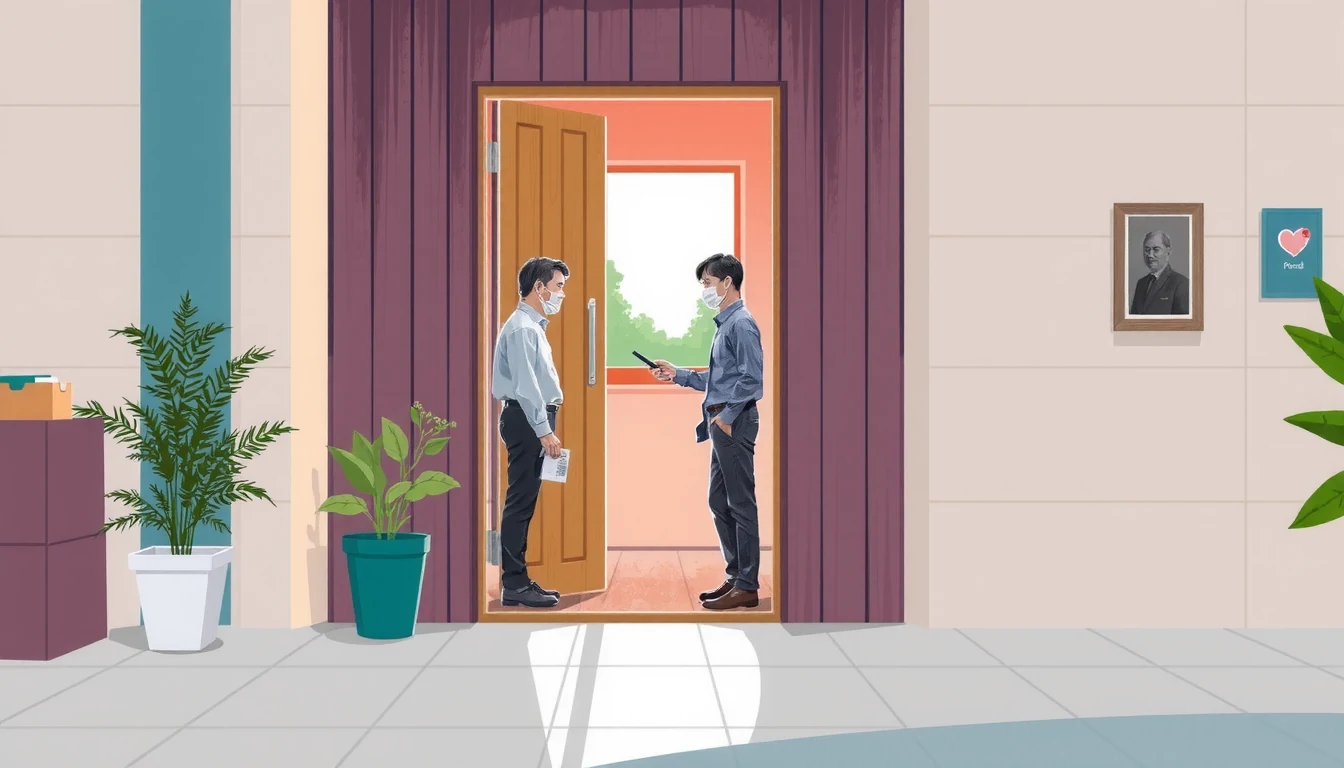
I watched a delivery robot in Seoul pause at an apartment door last month, its sensors scanning the person who stepped out to collect medication. The hatch stayed sealed. Not because the robot was broken, but because it had no way to know whether the person in front of it was the same one who placed the order—or even a real human at all.
That moment captures a growing tension in the machine economy. We are building autonomous systems to hand over goods, unlock doors, and take commands, but every old answer costs something. PINs get shared. Identity checks warehouse sensitive data. And pushing the problem back to humans defeats the autonomy these machines were built for.
On August 21, 2026, peaq integrated World ID into peaqOS, giving robots and machines a third option: prove the person is real, unique, and consenting—without learning a single thing about them.
Key Metrics at a Glance
| Metric | Value |
|---|---|
| World ID Verifications | 18 million+ humans across 160 countries |
| Integration Layer | Native to peaqOS, free per verification |
| Proof Type | Zero-knowledge, no biometrics or names stored |
| Primary Use Cases | Delivery handoff, rental access, promotional limits |
| Network | Polkadot-based DePIN |
| Launch Date | August 21, 2026 |
What World ID Unlocks on peaqOS
World ID is proof of human for the age of Physical AI. A person verifies once at an Orb, and from that point forward they can generate zero-knowledge proofs that answer one question: are you a real, unique, consenting human? The proof carries no name, no face, no number. Nearly 18 million people have already verified across a network spanning 160 countries.
The integration is now live on robotic.sh. A machine running peaqOS can request a proof-of-personhood check and verify it natively. No account. No API key. Free to verify. The person scans, the proof arrives, the machine knows. It is the first integration of its kind: proof of human, native to the Machine Economy.
The Right Human, Nothing Else
A camera can see a face. It cannot tell whether that face is real, unique, or the one that placed the order. Every old fix either collects identity or trusts a code anyone can pass along. World ID answers without collecting anything.
The patient verifies through World App before the order is accepted. The robot receives a zero-knowledge proof, not a name. At the pharmacy, the pharmacist verifies before loading the medication. At the doorstep, the patient scans again: same human as the order. Three verifications, one delivery, zero identities revealed.
How peaq Handles the Coordination
peaq is the layer that lets machines reach World ID and use it. For each verification, peaq handles machine identity via peaq DIDs, discovery of the service on the Machine Market, coordination from request to result, and a verifiable, auditable record with proof metadata redacted. So a machine can know it is serving a real human without collecting a single thing about them.
Competitive Landscape
| Solution | Verification Method | Privacy Level | Cost per Check | Autonomy |
|---|---|---|---|---|
| peaqOS + World ID | ZK proof of human | No data collected | Free | Full |
| Traditional PIN | Shared secret | Low | Free | Partial |
| Biometric ID Scan | Face/fingerprint | High risk of breach | Moderate | Low |
| API Key Systems | Credential-based | Low | Variable | Partial |
| Manual Courier | Human verification | N/A | High | None |
Real-World Scenarios
Promo Robot Enforcement. A robot hands out samples in a shopping district, one per person. By noon, the old version is cleaned out: the same hands coming back, scripts placing orders faster than humans can walk. With World ID, each person verifies before the hatch opens. Unique means once. Fair by design, enforced by the machine itself.
Rental Access Without Accounts. A shared scooter stands in a lobby. Today that means an app, sign-up, card on file, and a company holding one more profile. With World ID, the person proves they are a real, unique human, and the machine unlocks. One human, one session, on the record, and the operator's database of personal data simply never comes to exist.
Strategic Implications
The integration positions peaq as the privacy-preserving identity layer for physical AI. As autonomous machines proliferate—from delivery drones to service robots—the need for human verification without surveillance will only grow. Competitors relying on biometric databases or credential systems face mounting regulatory and breach risks. peaq's zero-knowledge approach removes the honeypot entirely.
Risks and Considerations
World ID adoption depends on Orb availability and user willingness to verify. In regions without Orb coverage, the system cannot function. Additionally, while zero-knowledge proofs protect privacy, they introduce computational overhead that could delay verification in high-throughput scenarios. The long-term viability also hinges on Tools for Humanity's continued operation of the Orb network.
Decision Framework
Use peaqOS + World ID When:
- Autonomous machines must verify human recipients
- Privacy regulations prohibit collecting personal data
- One-per-human limits are required (promotions, samples)
- Rental or shared access needs identity-free onboarding
Consider Alternatives When:
- Orb verification is unavailable in target geography
- Low-cost, low-security applications can tolerate PIN sharing
- Regulatory frameworks explicitly require biometric collection
TL;DR
- What: peaq integrates World ID into peaqOS for anonymous proof-of-human verification
- Why: Autonomous machines need to confirm real, unique humans without collecting identity data
- Impact: Enables privacy-preserving delivery, rental, and promotional access across 160 countries
- Edge: First native proof-of-human integration in the Machine Economy, free per verification
- Watch: Orb network expansion and regulatory treatment of zero-knowledge identity proofs
Sources
Gemma Nguyen is TotesTek's Content Lead and Journalist, covering the intersection of decentralized infrastructure, machine economies, and the human layer that holds them together.
Related Posts
-
Bifrost Monthly Report January 2026: bbBNC Staking Surges 120% and Strategic Outlook Takes Shape
I checked my Bifrost dashboard on the first Monday of February and did a double-take. The bbBNC staking figure had crossed 20 million BNC tokens, up from 8.96 million just two months prior. That is not a rounding error. That is a 120% surge in staking volume, and it signals somet
-
peaq and Allora Bring Predictive Intelligence to Robots and Machines
I watched a humanoid robot end its warehouse shift last month with a day's earnings sitting in its machine wallet. The tokens it was paid in moved with the market, and the market does not wait for morning. It had two options: convert on the spot and take whatever the market happe
-
Introducing P256: Unforgeable Signature for Any Machine on peaq
A drone lands on a charging pad in a warehouse district outside Berlin. The pad has exactly one question: are you the drone you claim to be? In the old world, the answer is a password, an API key, or a QR code someone has to scan. All of them are shared secrets. All of them can b
-

LlamaRisk Recommends Supply Cap Increases for Aave V3 Monad: When Risk Assessors Become Growth Enablers
The recommendation appeared on the Aave governance forum in August 2026 with the confident authority of a risk assessment firm that had spent weeks modeling collateral ratios and liquidation thresholds on a blockchain that had not yet fully launched. LlamaRisk—one of Aave's desig