

Acurast and peaq Bring Phone-Powered Compute to Robots and Machines
Acurast partners with peaq to enable smartphones to serve as compute nodes for robots and machines, leveraging underutilized mobile processing power within peaq's decentralized physical infrastructure network on Polkadot.
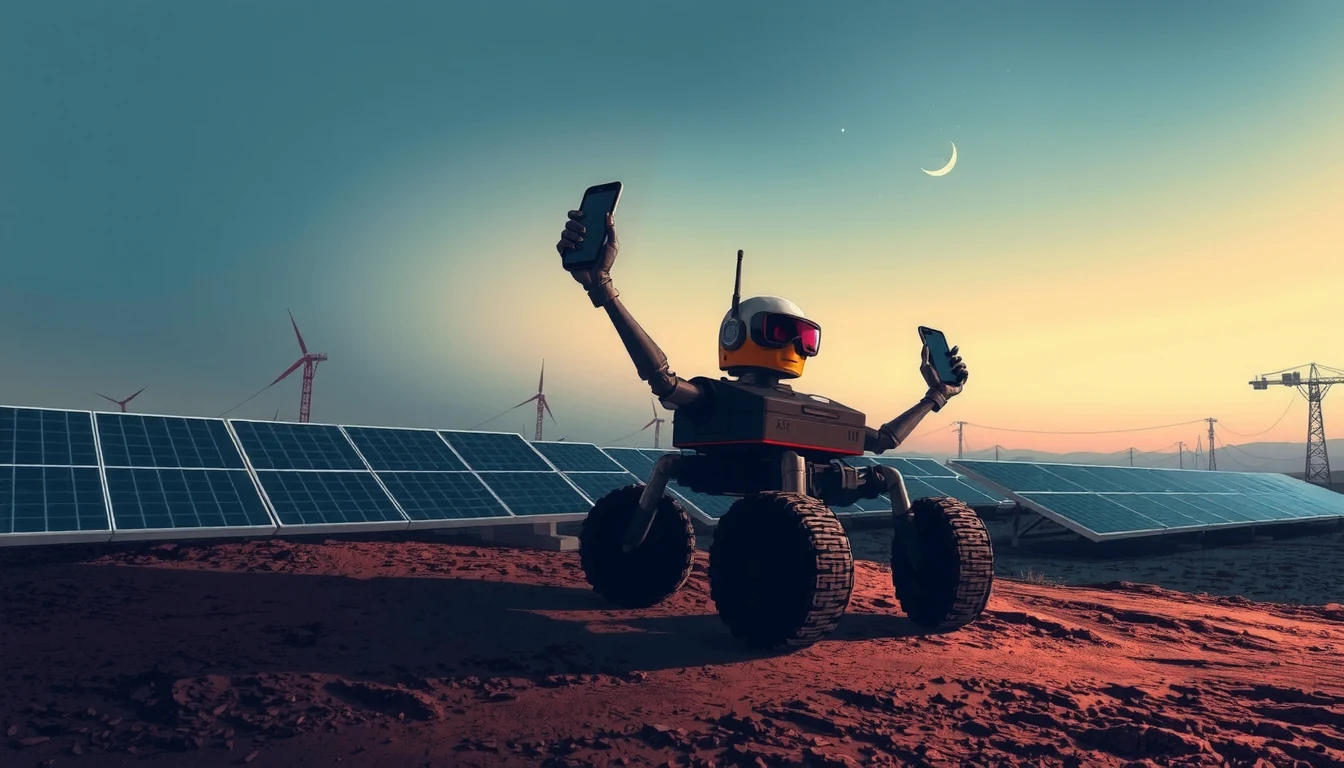
I watched a quadruped robot finish its evening survey of a solar farm last month. Hours of thermal footage, and a defect report due before the morning shift. The robot had more data than it could process, and the nearest cloud instance was a login screen, a credit card, and a human away.
That gap between what machines collect and what they can compute is where Acurast and peaq are building something genuinely unusual. They are turning the 1.39 billion smartphones that ship every year into a decentralized compute network that robots can tap into, autonomously, on demand, and pay for in USDC.
Key Metrics at a Glance
| Metric | Value | Context |
|---|---|---|
| Acurast compute units | 265,000+ | Decentralized smartphone nodes |
| Countries covered | 175+ | Global distribution |
| Annual smartphone shipments | 1.39 billion | Hardware supply for compute |
| Cost vs rack server | ~117x cheaper | Second-hand phones as nodes |
| Payment method | USDC over x402 | Per-deployment billing |
| Availability | Live on robotic.sh | peaqOS integration |
What Acurast Actually Does
Acurast is a decentralized compute network that runs on smartphones. Each phone is a sealed compute unit with a trusted execution environment (TEE) and a hardware security module built in. A server has to be bought, racked, and trusted. A phone proves what it is, and its authenticity is certified by the manufacturer itself.
The economics are unusual. Acurast turns second-hand phones — broken screens, intact processors — into compute units. Hardware that costs about 117 times less than a rack server. Decentralized by design, confidential by design, and cheap enough to price compute in cents.
With the peaqOS integration, a robot or machine can send a job to the Acurast Deploy Agent and pay per deployment in USDC over x402. No account. No API key. No subscription running idle. The machine deploys the job, pays for exactly what it uses, and walks away.
The Use Case: Solar Farm Thermal Analysis
Consider the quadruped robot at the solar farm. It has collected hours of thermal footage showing panels at different times of day, under different loads, with different ambient temperatures. Finding hairline faults in that footage requires more compute than anything the robot carries.
The old options were: wait for a human with a cloud login, credentials, and a credit card — and let the report slip to whenever someone gets to it. Or carry the compute itself, a workstation strapped to a robot that spends its day walking rows of panels.
The new option, enabled by Acurast on peaqOS: the robot deploys the analysis job to a network of hardware-secured smartphones, pays for that one deployment in USDC, and has its report before the morning shift clocks in. The compute happens where the data is collected, without a human in the loop.
How the Integration Works
Acurast on peaqOS is not a side integration. It is native to the machine economy stack.
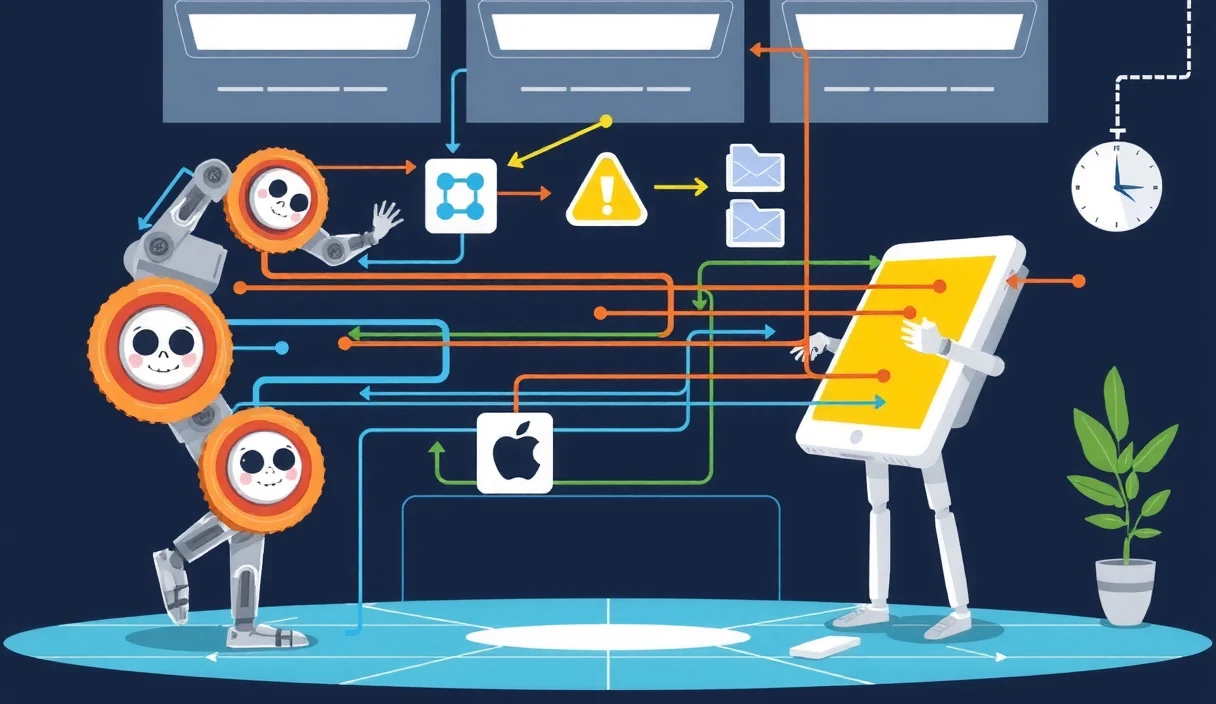
Step 1: Job Deployment. A robot running peaqOS sends a compute job to the Acurast Deploy Agent through robotic.sh. The job specification includes the compute requirements, the data to process, and the budget.
Step 2: Node Selection. Acurast matches the job to available smartphone nodes based on proximity, capacity, and price. Each node is hardware-secured with TEE and HSM.
Step 3: Execution. The selected smartphone nodes execute the job within their trusted execution environments. The data is processed confidentially — even the node operator cannot see inside the TEE.
Step 4: Payment. The robot pays for the deployment in USDC over x402, a payment protocol designed for machine-to-machine transactions. The payment is atomic: compute delivered, payment released.
Step 5: Result Delivery. The processed results return to the robot, which can act on them immediately — issuing a maintenance request, updating its route, or flagging a panel for inspection.
Competitive Landscape: Decentralized Compute
| Platform | Hardware | Cost vs Server | Privacy | Availability | Machine-Native |
|---|---|---|---|---|---|
| Acurast + peaq | Smartphones (TEE/HSM) | ~117x cheaper | ✅ TEE | 265K+ nodes | ✅ Native |
| Akash Network | Data center GPUs | ~2-3x cheaper | ⚠️ Provider-dependent | Variable | ❌ Manual setup |
| Render Network | GPU nodes | ~3-5x cheaper | ❌ No TEE | Growing | ❌ Manual setup |
| io.net | GPUs + CPUs | ~5x cheaper | ❌ No TEE | Expanding | ❌ Manual setup |
| AWS EC2 Spot | AWS servers | Baseline | ❌ Cloud provider | Global | ❌ Account required |
| Filecoin Compute | Storage miners | Variable | ❌ No TEE | Limited | ❌ Complex |
The key differentiator is the combination of hardware security, machine-native payment, and extreme cost efficiency. Other decentralized compute platforms require manual setup, accounts, and ongoing subscriptions. Acurast on peaqOS is designed for machines that need compute once, pay once, and move on.
Strategic Implications
The significance of phone-powered compute extends beyond cost savings. It represents a fundamental shift in how the machine economy thinks about infrastructure.
Most compute today is designed for humans: servers in data centers, accessed through dashboards, paid for with credit cards and monthly bills. Machines need something different. They need compute that is available everywhere, payable without human authorization, and priced for single-use deployments.
Smartphones are the most distributed computing hardware on the planet. There are more smartphones than people in many countries. By repurposing them as compute nodes, Acurast creates a supply side that already exists and is massively underutilized.
The peaqOS integration makes this supply accessible to machines rather than humans. A robot does not need to understand what a smartphone is. It needs to understand that it can deploy a job, pay for it, and receive results. That abstraction is what makes the machine economy scalable.
What to Watch
Network growth. 265,000 nodes is a start, not saturation. The pace of onboarding will determine whether Acurast can serve latency-sensitive applications that require nearby compute.
Job diversity. Thermal analysis is one use case. The broader question is what other machine workloads can run on smartphone processors. Image recognition, sensor fusion, and predictive maintenance are obvious next steps. Scientific computing and large model inference are likely beyond smartphone capacity.
Economic sustainability. Second-hand phones are cheap because they are depreciated. But they also have finite lifespans. The supply of cheap compute nodes depends on a continuous stream of phone upgrades and retirements. If global smartphone sales decline, the supply side tightens.
Regulatory friction. Using smartphones as compute nodes in some jurisdictions may conflict with e-waste regulations, data localization laws, or telecom licensing. The decentralized nature of the network makes compliance complex.
TL;DR
- What: Acurast turns smartphones into decentralized compute nodes accessible through peaqOS
- How: Robots deploy jobs to hardware-secured phones and pay per use in USDC over x402
- Edge: ~117x cheaper than rack servers, with trusted execution environment privacy
- Impact: Enables autonomous machines to process data locally without human cloud accounts
- Watch: Network growth, job diversity, hardware supply sustainability, regulatory compliance
Sources
- peaq: Acurast and peaq Bring Phone-Powered Compute
- Acurast Network Documentation
- peaqOS Machine Economy Stack
Gemma Nguyen is TotesTek's Content Lead and Journalist, covering the intersection of decentralized infrastructure, machine economies, and the compute layers that make autonomous systems viable.
Related Posts
-

Lido Proposes Execution Delegation Framework: When Staking Delegates More Than Just Consensus
The proposal appeared on the Lido research forum in September 2026 with the governance language of a DAO that had spent years managing validator sets and was ready to formalize a practice that had been happening informally since the protocol launched. The Execution Delegation Fra
-

ERC-8320: Regulated Asset Claim: When Ethereum Becomes a Compliance Layer
The proposal appeared on the Ethereum standards forum in September 2026 with the regulatory vocabulary of a compliance officer who had finally found a way to bridge the gap between permissionless blockchains and permissioned finance. ERC-8320 proposed a standard for "regulated as
-
EIP-7923: Linear, Page-Based Memory Costing: When Ethereum Fixes One Problem and Creates Another
The proposal appeared on the Ethereum Magicians forum in September 2026 with the technical precision of an engineer who had spent months profiling gas costs and was ready to fix what they saw as an obvious inefficiency. EIP-7923 proposed replacing Ethereum's quadratic memory expa
-

peaq Hosts Challenge at Europe's Largest Robotics Hackathon, Alongside NVIDIA, Universal Robots, NEURA and Doosan
I have been to enough hackathons to know the difference between the ones that matter and the ones that do not. The ones that matter put real hardware in the room. The ones that do not hand you a API key and a Zoom link. In October, peaq is putting a Doosan A0509 cobot in a room i