
Bitcoin




From Totestek on YouTube

Totes Tek
607 posts

The IRS is introducing Form 1099-DA, requiring digital asset brokers to report sales starting in 2026. Learn how these new regulations impact custodial exchanges, DeFi platforms, and your future tax filings.

The challenge of information verification in AI systems has reached a critical point. Large language models generate convincing but potentially inaccurate content. Traditional fact-checking doesn't scale. And centralized verification introduces its own biases. NeuroWeb's H1 2026

The ELSA initiative is redefining personalized healthcare by combining AI with genomic data. Powered by OriginTrail's Decentralized Knowledge Graph, this framework enables medical breakthroughs while ensuring patient data sovereignty and privacy.

The Federal Reserve has reversed its restrictive stance on digital assets, eliminating the need for prior approval for bank crypto activities. This landmark shift paves the way for mainstream Bitcoin custody and stablecoin services across the US banking system.
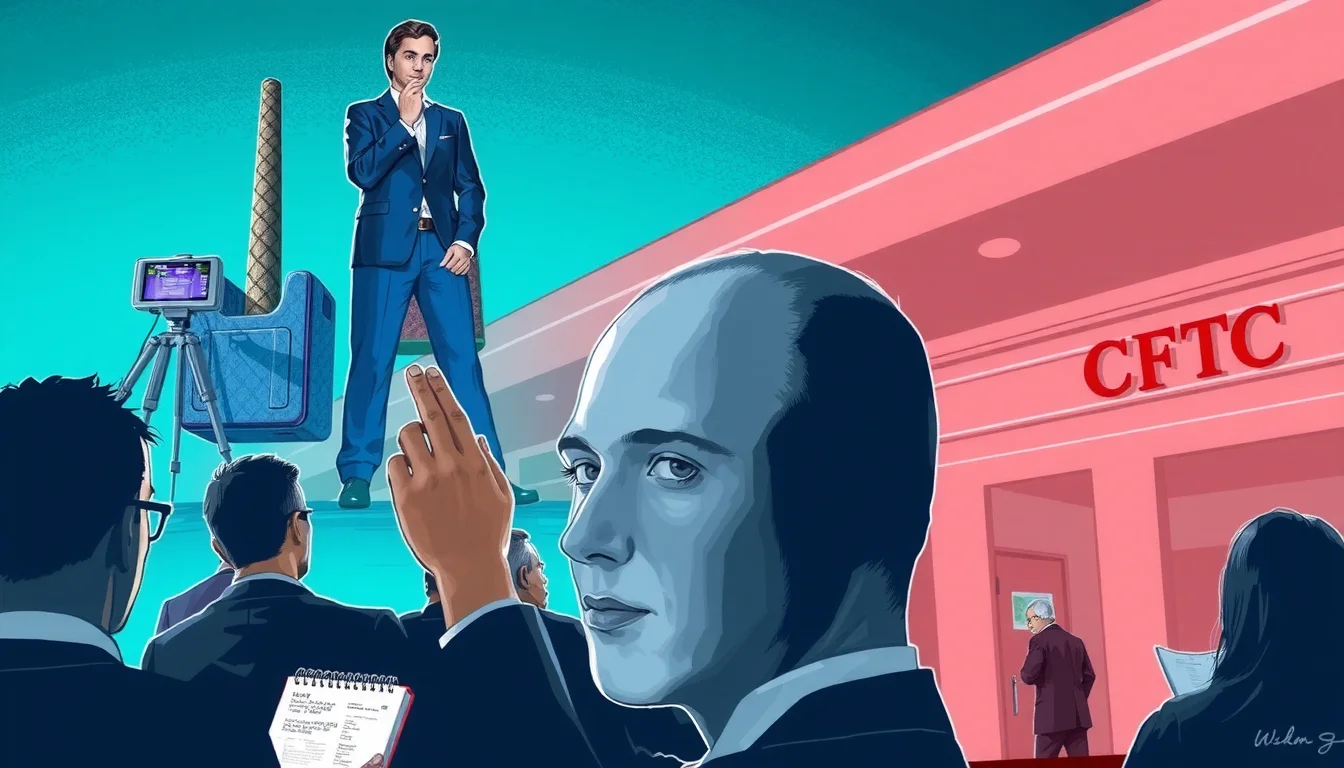
In an unprecedented move, the CFTC is seeking to reverse its $5 million settlement with Gemini Trust Company. This rare regulatory reversal signals a fundamental shift from enforcement-first oversight to collaborative engagement with the crypto industry.

The Treasury Department has finalized GENIUS Act regulations, creating a comprehensive AML compliance roadmap for stablecoin issuers. These rules establish strict reserve standards and registration requirements to integrate digital tokens into the traditional financial system.

The EIA is launching an expanded tracking program to monitor Bitcoin mining electricity consumption across 137 commercial facilities. This move brings unprecedented transparency to an industry long criticized for its opaque energy footprint.

Unique Network is transitioning its Quartz chain to align with Polkadot's upcoming JAM architecture. Discover how this technical evolution aims to revolutionize NFT throughput and scalability by 2026.

The Ethereum Foundation is using AI agents to continuously audit protocol code, successfully uncovering CVE-2026-34219. However, the move reveals a massive new challenge: the human bottleneck of triaging thousands of false positives.

The Justice Department is disbanding the National Cryptocurrency Enforcement Team, marking a pivot from aggressive prosecution to compliance-focused regulation. This shift significantly reduces legal risks for developers and exchange executives.